
Morphological characteristics and distribution patterns of ball mustard (Neslia paniculata)
1 min read
Ball mustard is a dangerous weed infesting winter and spring cereal crops. The main problem for an agronomist is that the seeds of this pest are extremely difficult to separate from millet grain during heap cleaning. Furthermore, the plant possesses toxic properties and often contaminates finished plant products.
Morphological characteristics of ball mustard
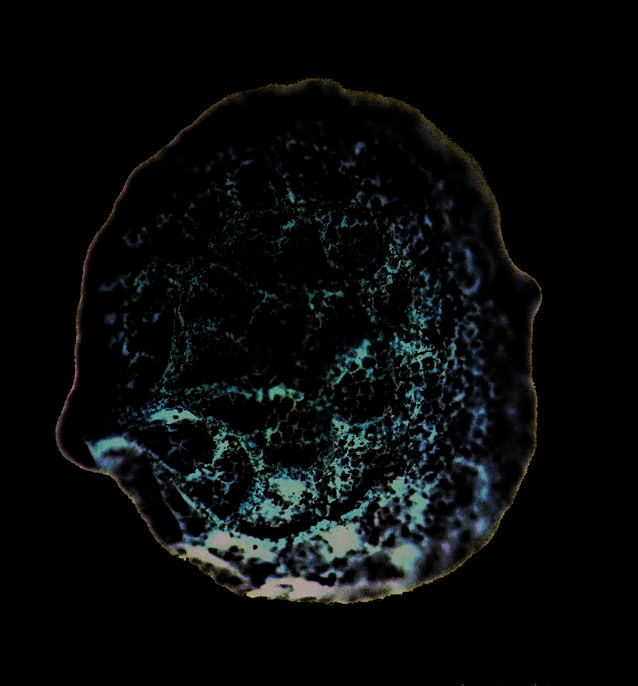
The weed belongs to the Brassicaceae family. Its silicles are globose, indehiscent, one-seeded, and compressed from the apex to the base. A circular, flattened rib runs along the valves of the fruit, dividing it into two parts, and the remnant of the style persists at the apex. The walls of the silicle are very rigid and lignified.
The fruit scar in ball mustard is rounded, well-defined, and noticeably protruding, with a characteristic ring-like ridge. The surface of the fruit is coarsely reticulate, with flattened rounded walls and fine-grained matte bottoms of the cells. The color of the silicles varies from grayish-green and gray to dark brown, with the tops of the cell septa being lighter than the main part of the fruit.
| Silicle parameter | Size |
|---|---|
| Length | 22.5 mm |
| Width | 22.5 mm |
| Thickness | 1.52.25 mm |
The seeds of the pest have an egg-oval, slightly compressed shape. The radicle stands out clearly on them. The seed surface is finely tuberculate, colored yellow.
The weed infests crops in many regions. Its distribution geography includes the following territories:
- European part (everywhere, although it is less common in the southeastern districts);
- Caucasus;
- Western and Eastern Siberia;
- Far East;
- Central Asia.
Read next
Seeds and varieties For agronomists
Morphological characteristics of seeds and distribution area of Eruca sativa
Seeds and varieties For agronomists
Botanical description and characteristics of field pennycress seed
Seeds and varieties For agronomists