
Methods of fungicide application and pathogen resistance management
5 min read
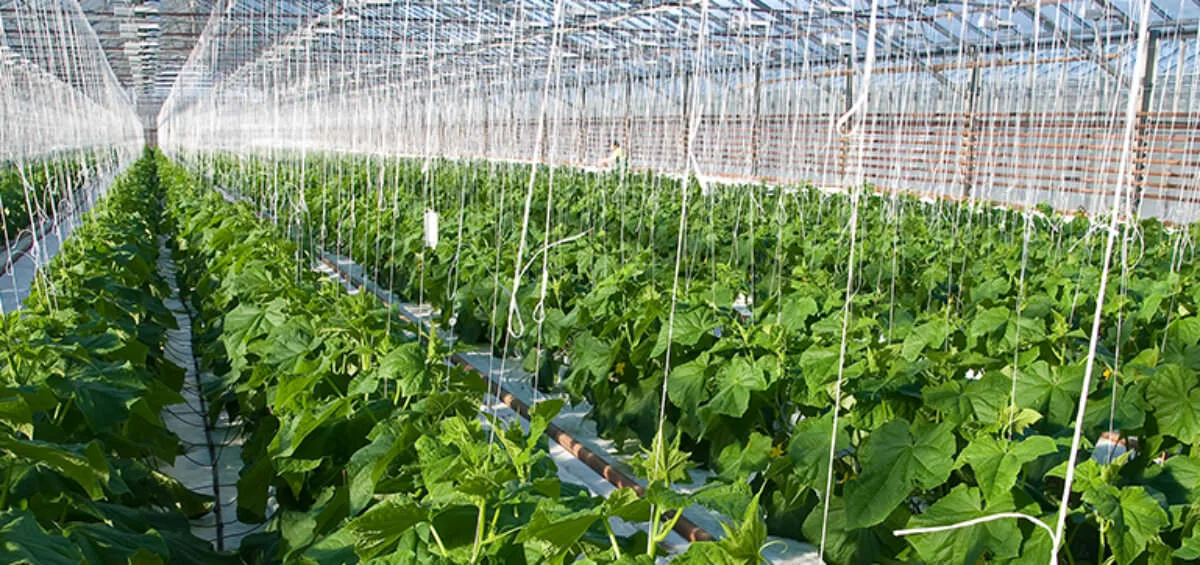
To combat root and crown rot, suspensions of wettable powders are applied in practice. The products are applied using standard sprayers, with the nozzles previously removed from the hoses. If it is necessary to treat the root system, the fungicide can be supplied through the irrigation system. In this case, the concentration of the active ingredient is regulated using a nutrient distribution device.
When applying suspensions through the irrigation system, there is a risk that they will precipitate inside the pipeline and fail to reach the plants. Furthermore, there is a high risk of phytotoxicity when irrigating with fungicides, so it is necessary to perform precise equipment calibration before starting work.
For local treatment of the root crown, modified O-shaped booms are used. Two nozzles are installed on their inner side. With this irrigation method, the solution of the fungicide reaches both sides of the stem base simultaneously.
Protecting young plants from infections transmitted through the soil and seed can be achieved through pre-planting treatment. To do this, seed treatment is performed, or fungicides are applied directly into the soil before planting transplants. This helps to reduce the infection load during the initial growth stages of crops.
- To suppress diseases of flower crops, seed is treated with thiram or dusted with iprodione.
- In the fight against soil-borne pathogens causing damping-off (e.g., Pythium species), seed is treated with captan or thiram.
- For soil treatment before planting transplants (especially for short-cycle crops), quintozene (PCNB) is used against Rhizoctonia solani, as well as etridiazole against Pythium species.
The use of fungicidal pastes is a labor-intensive method, justified only when there is a threat of total plant loss from local lesions. The therapeutic mixture is prepared from wettable powders or dusts, diluting them to a thick suspension. The resulting mixture is applied manually to the affected tissues. In Great Britain, for example, a mixture of benomyl with mineral oil (Actipron) is approved for use, which is effective in combating local stem lesions of tomatoes caused by the fungus Botrytis cinerea.
The problem of pathogen resistance in greenhouses
The enclosed environment of a greenhouse or mushroom house is ideal for the rapid development of pathogens. This leads to accelerated formation of resistance to the applied products.
The problem of pests of greenhouse crops becoming accustomed to pesticides has existed for a long time. Spider mites and aphids have developed resistance to many products, causing them to lose their effectiveness. Recently, similar resistance to fungicides has been recorded in fungi as well. Several pathogens of protected soil have become insensitive to one or a range of common products.
To avoid confusion with genetic resistance in plant breeding, specialists often use the terms "insensitive" or "tolerant." In practice, fungi may gradually lose sensitivity to those products that previously suppressed them effectively. At the same time, the susceptibility of pathogens to fungicides varies within a wide range, and this variability directly depends on the application rates of products adopted in greenhouse farms.
An important distinction for the agronomist: do not confuse the natural insensitivity of a pathogen with acquired resistance. Sensitivity is the normal species reaction of a fungus to a product. Resistance means that a mutated strain survives and continues to develop on the crop even when treated with a standard working dose of a fungicide.
The main cause of resistance has been the massive use of narrow-spectrum single-site fungicides. Such products block only one biochemical process in the fungus cells, which is why the pathogen rapidly mutates to bypass this barrier. At the same time, resistance to multi-site fungicides, which affect several processes at once, develops extremely rarely—cases of ineffective treatments here are isolated.
Fungicides themselves do not cause the emergence of resistant mutants but merely act as a selection factor. They eliminate the susceptible part of the population, preserving individual resistant individuals that were initially present in the greenhouse. For resistant forms to become dominant in protected soil, they need an effective mechanism for spore dispersal.
Regular treatments with reduced (sub-lethal) doses of fungicides create continuous selection pressure. This is the main factor stimulating the rapid accumulation of resistant pathogens in the population.
Fungi with high sporulation intensity, such as grey mold or powdery mildew, are primarily in the risk zone. The more spores a pathogen produces, the higher the probability of the accidental emergence and establishment of a resistant mutation.
- Type of preparation — Single-target (high risk)
- Response to multiple effect — Resistance almost does not develop
- Main pathway of emergence — Selection of existing mutants
- Resistance acceleration factor — High spore production of the fungus
Resistance of greenhouse crop pathogens to fungicides
Resistance develops most rapidly to preparations from a single chemical group or to fungicides with a similar mechanism of action. For example, resistance to many pathogens with respect to benzimidazoles has become a widespread phenomenon today. At the same time, cases of adaptation to carboximides or ergosterol biosynthesis inhibitors under production conditions have not yet been recorded.
Below is a summary table of the resistance of major greenhouse pathogens to various classes of fungicides, based on the results of long-term observations.
| Crop | Pathogen | Fungicide | Incidence of resistance |
|---|---|---|---|
| Tomato | Botrytis cinerea (as in source: Вокуй$ стегеа) | Benzimidazoles | Widespread |
| Tomato | Erysiphe sp. (as in source: Ешиа ра) | Benzimidazoles | Not encountered |
| Tomato | Verticillium sp. (as in source: УегисИит #1-) | Benzimidazoles | Not encountered |
| Tomato | Botrytis cinerea (as in source: согри$ В. стегеа) | Dicarboximides | No data (not detected in production, revealed in experiments) |
| Lettuce | Botrytis cinerea (as in source: В. стегеа) | Benzimidazoles | Widespread |
| Lettuce | Sclerotinia sp. (as in source: Кмгосота 50-) | Aromatic hydrocarbons | No data (not detected in production, revealed in experiments) |
| Cucumber | Botrytis cinerea (as in source: В. стегеа) | Benzimidazoles | Widespread |
| Cucumber | Sphaerotheca fuliginea (as in source: Зрпаегойеса {и) | Dimethirimol, benzimidazoles | Widespread |
| Chrysanthemum | Puccinia horiana (as in source: Риссйма попапа) | Carboxin | Not encountered |
| Chrysanthemum | Puccinia horiana (as in source: Риссйма попапа) | Benodanil | Not encountered |
| Mushroom | Verticillium fungicola (as in source: УегисЙит мп-асы) | Benzimidazoles | Widespread |
| Carnation | Fusarium oxysporum f. sp. dianthi (as in source: Еиза ит охузро-гит Г. зр. а ап) | Benzimidazoles | Not encountered (the presence of resistant forms has been noted in natural conditions) |
| African violet, Reiger begonia, cyclamen and other floral crops | Powdery mildews, Botrytis cinerea (as in source: В. стегеа) | Benzimidazoles | Not encountered |
Read next
Plant protection For agronomists
Pesticide registration and the procedure for their approval for use
Plant protection For agronomists
Grey and black rot of cucumber in greenhouse conditions
Plant protection For agronomists