
Technological foundations of beef cattle management and rearing
3 min read
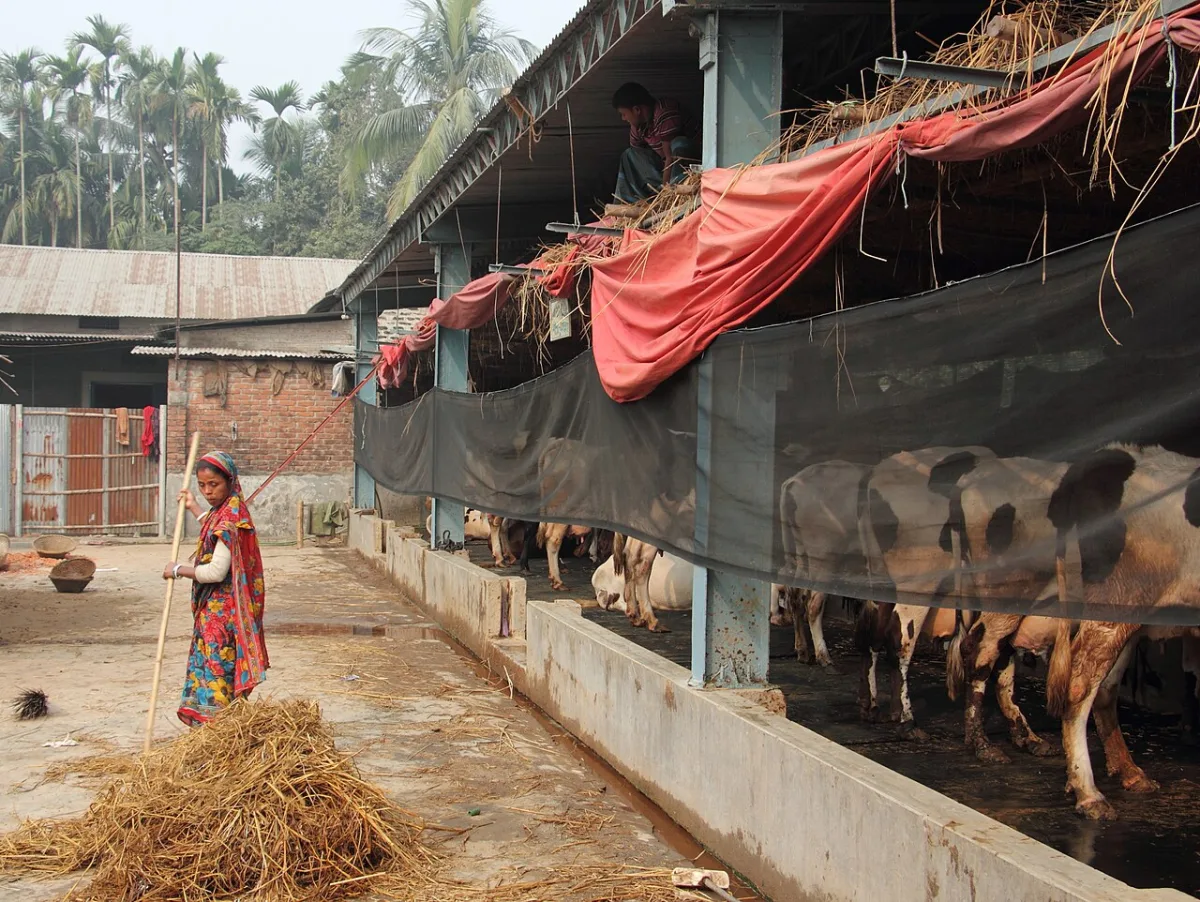
The technological basis of beef cattle farming relies on maximizing the use of natural pastures and the suckler cow method of rearing "cow-calf". To ensure high profitability for the farm, it is necessary to organize an uninterrupted cycle: from managing pregnant cows and calving to rearing and final fattening of young stock. The productivity of the herd depends directly on compliance with veterinary and sanitary regulations and proper rotational grazing. Key technological indicators allow for monitoring operational efficiency.
| Productivity indicator | Value |
|---|---|
| Calves obtained per 100 cows, heads | — |
| Calf survival rate, % | — |
| Milk yield of cows (live weight of calves at 205 days), kg | — |
| Average daily gain of calves aged 0–8 months, g | — |
| Average daily gain of calves aged 8–12 months, g | — |
| Average daily gain of calves aged 12–16 months, g | — |
| Age and live weight of bull calves when removed from fattening | ___ months / ___ kg |
The organization of livestock housing is structured considering seasonality and strict division of animals into technological groups. When planning farm operations, focus on the following basic parameters:
- Stall period — from October to April
- Pasture period — from May to October
- Size of a cow herd — 100–120 heads
- Size of a young stock herd — 150–180 heads
- Mass calving — March – April
The life and production cycle in beef cattle farming is tied to the change of seasons. The most critical technological stages require special supervision by veterinarians and zootechnicians. These include the start of mass calving, cow mating and the management of breeding bulls during the breeding and non-breeding periods, the end of the wintering period, driving out to pasture, weaning of calves, and placing the herd into stall housing.
System of veterinary and prophylactic measures
Planning and strictly executing veterinary treatments protect the farm from mortality and a decrease in the growth rates of young stock. Only a healthy herd is capable of fully realizing its genetic potential for productivity. Prophylactic work is conducted continuously, adjusting diets and technological processes as the condition of the animals changes.
Pay special attention to the complex of treatments in autumn. During this period, the animals have good body condition and high natural resistance, which guarantees a maximum immune response.
The autumn prophylactic complex includes the following mandatory procedures:
- Vaccination against anthrax, foot-and-mouth disease, blackleg (emkar), pasteurellosis, and rabies.
- Treatment against warble flies and deworming against fascioliasis.
- Rectal examination of cows for pregnancy and timely detection of gynecological pathologies.
When placing livestock for winter housing, it is mandatory to conduct a zooveterinary analysis of the harvested feed. During the stall period, veterinary specialists carry out constant clinical monitoring of the herd. They assess the general condition of the animals, coat quality, and the state of hooves and lymph nodes. To monitor metabolism, blood is taken from several animals in each herd for laboratory tests.
In the laboratory blood tests of control animals, the following parameters are monitored:
- total protein and level of ketone bodies;
- carotene content;
- reserve alkalinity;
- calcium and phosphorus concentration.
Transitioning animals to pasture housing is a critical technological stage. After the winter period, the body's resistance decreases, and the risk of disease in cows and newborn young stock increases. Remember that calves are resistant to cold but tolerate dampness and drafts extremely poorly.
Before driving livestock to the pasture, it is necessary to thoroughly examine the entire herd, and clean and disinfect the vacated winter premises. When forming pasture herds, be sure to consider the hierarchy of animals in the groups to avoid injury. A special veterinary protocol is provided for weaning calves and forming herds of breeding young stock.
- Weaning calves and assembling groups of breeding young stock.
- Transporting animals to the place of their permanent housing.
- Conducting a full clinical examination.
- Placing young stock into a mandatory 30-day quarantine.
Diagnostic testing of the herd is carried out systematically throughout the year. During the stall and pasture periods, animals are routinely checked for brucellosis, tuberculosis, leptospirosis, trichomoniasis, and bovine leukosis (via AGID). Breeding young stock (bull calves and heifers), upon completion of rearing, undergo a full complex of diagnostic and prophylactic treatments before sale. Also, throughout the year, the schedule of sanitary work and planned vaccinations is strictly observed.
- From March to October, livestock are regularly dipped against ectoparasites.
- In November, mandatory vaccination of the entire cattle herd against rabies is conducted.
| Period | Measure |
|---|---|
| March, June, September | Disinfection and deratization of premises |
| June, September | Disinsection of premises for the stall period |
Read next
Livestock For students
Exemplary feeding rations for lactating cows during different lactation periods
Livestock For students
Organization of zootechnical recording and identification of livestock animals
Livestock For students