
Specifics of vertical staking and training of vegetable crops in a greenhouse
8 min read
Vertical training and pruning principles
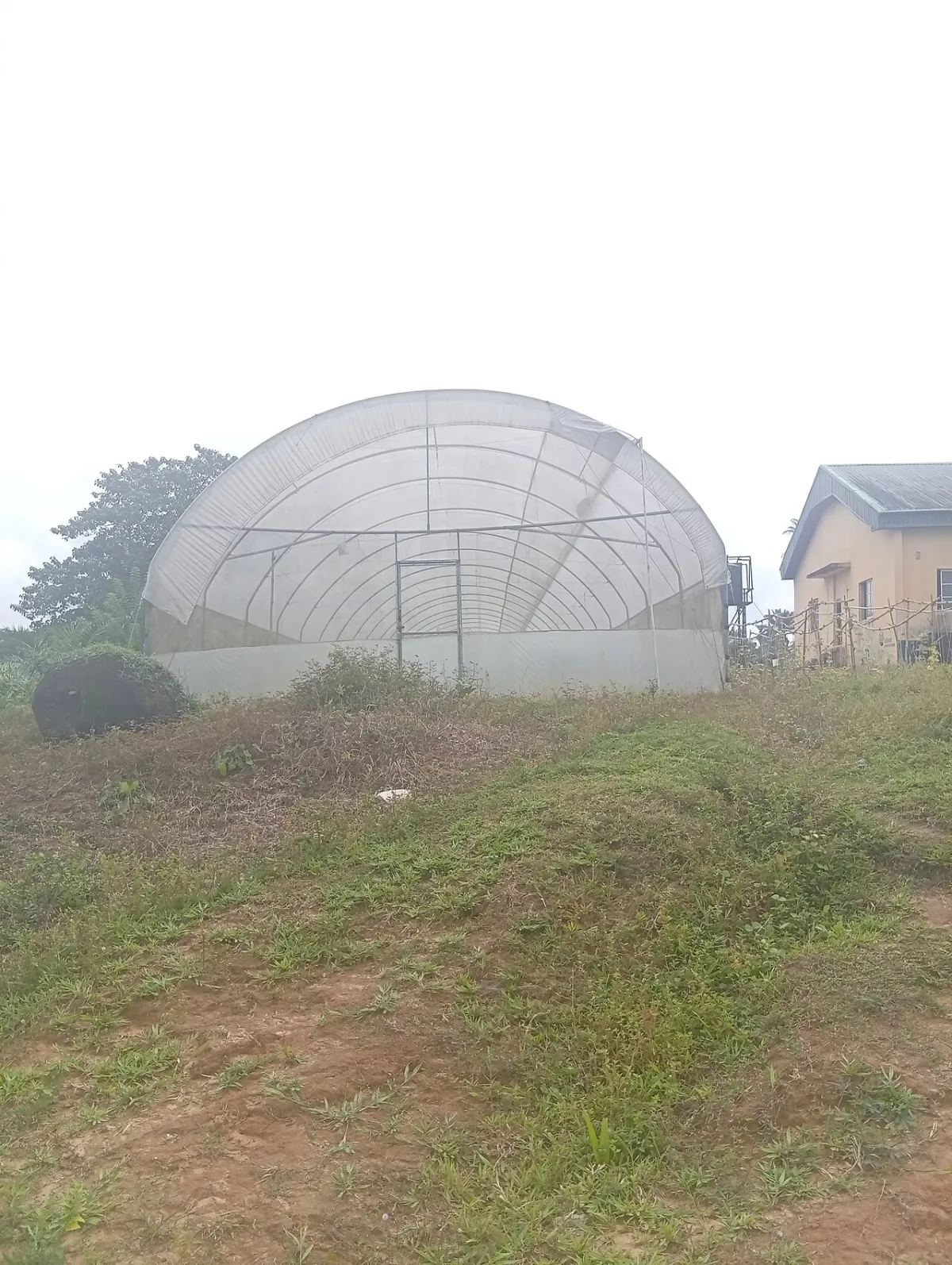
In protected ground, vertical growing is the only way to rationally use the greenhouse volume and sunlight. Shoots of tomatoes, melons, and watermelons grow at a high speed, so training to strings must be timely. If you are late with securing the plants, stems will fall over and bend, which will lead to tissue injury and loss of harvest.
For training, it is more practical to use twine made of natural fibers — jute or hemp. They possess sufficient strength to withstand the mass of vines and fruit even in a single strand. The main technological advantage of organic materials is revealed at the end of the season: the entire haulm along with cut strings can be immediately sent to a compost pile or a bonfire, without wasting time on picking out synthetic thread.
For heavy-fruiting crops (watermelon, melon), training vines does not always save them from breaking: the fruit stalk often cannot withstand the weight of the ripening fruit. For large-fruited vines, it is better to use a sprawling culture without training to a trellis.
Pruning is the foundation of canopy management, which implements the technological plan for cultivation. For tomatoes and peppers, the canopy management schemes are fundamentally different, but the common goal is one — to redirect plastic nutrients to fruit filling. The main obstacle during pruning is the psychological fear of losing part of the harvest along with the removed shoots.
Refusal to perform full pinching leads to crowding, reduced light exposure, and smaller fruit. Most clearly, the effectiveness of canopy management is tested in practice: it is enough to manage a portion of the plants strictly according to the rules, and leave a portion without pruning. The results of one season clearly show the difference in quality and volume of marketable produce.
Soil nutrition regime and risks of liquid top dressing
Systematic application of mineral fertilizers throughout the summer is a common mistake leading to metabolic disorders in plant tissues. As a result of a nutrient imbalance, the crops lose their natural immunity, which provokes outbreaks of fungal diseases and pest infestations. In addition, constant labor-intensive irrigation with solutions takes time away from basic care operations — weeding, pruning, and plant protection.
The optimal solution is the initial preparation of the greenhouse with highly fertile soil. In this case, the root system is provided with nutrients for the entire growing season, and the need for additional application of elements is reduced to one top dressing in June.
In the second half of summer, the soil solution becomes depleted, which causes physiological disorders — for example, the mass appearance of crooked cucumbers in August due to an acute deficiency of microelements. It is not always possible to accurately determine the missing element by external signs, and unsystematic application of mineral mixtures only worsens the imbalance. In this phase, it is safer to use a complex organic fertilizer.
Liquid top dressing is absorbed by the roots too easily and quickly, which creates a high risk of over-fertilizing the plants. Excess nitrogen breaks down the crop's immunity and triggers an outbreak of fungal diseases.
Traditional manure slurry has a number of significant technological limitations:
- it is not available on every farm;
- it is not suitable for tomatoes and cucurbit crops, as excess nitrogen causes excessive vegetative growth at the expense of fruiting;
- it has an unbalanced composition with a predominance of nitrogen and a deficiency of other elements;
- it is supplied in liquid form, which increases the risk of overdose.
Instead of liquid solutions, it is safer to use dry surface mulching of inter-rows. Spreading humus, compost, small doses of poultry manure, or adding fresh fertile soil eliminates the risk of root system burn. Irrigation water and soil moisture wash nutrients into the root-inhabiting layer gradually and in a concentration safe for plants.
Growing indeterminate tomatoes, watermelons, and melons in protected ground requires strict control of the balance between vegetative growth and fruit set. Tall crops need to form a long stem; however, an excess of nitrogen in the middle of the season leads to the formation of excessive foliage. As a result, the formation of inflorescences is delayed, and the bulk of the fruit does not have time to form and ripen before the end of the growing season.
Regular irrigation with liquid top dressing every 7–10 days creates a risk of nitrogen overdose. This provokes rapid growth of vegetative mass to the detriment of fruiting and requires subsequent treatments for disease outbreaks.
Balance of growth processes and nutrition system in the greenhouse
Greenhouse crops extract a significant volume of nitrogen from the soil for building the stem apparatus. In the first half of summer, active growth of foliage is justified, so the soil should contain a sufficient supply of nutrients. In protected ground, it is permissible to incorporate even fresh manure for tomatoes: vigorous plants effectively absorb nitrogenous organic matter without the risk of prolonging development phases, unlike in open ground.
In the second half of the summer, the share of nitrogen in plant nutrition is usually reduced, while increasing the supply of potassium and phosphorus. However, attempts to regulate this balance solely through fractional mineral top dressing involve risks. Mineral fertilizers (saltpeter, superphosphate) act sharply, are absorbed quickly, and are just as quickly leached from the root zone, knocking the plant out of its normal rhythm.
To maintain balance without the risk of over-fertilization, more reliable agricultural techniques are used:
- Organic mixing: joint application of compost and wood ash allows for enriching the soil with potassium and phosphorus without artificially raising the nitrogen level.
- Basic application: relying on abundant soil preparation with organic matter in the spring or carrying out only one organic-mineral top dressing for the entire growing season.
When applying dry granular fertilizers in row spacings, it is important to observe the incorporation technique to avoid burning the foliage and to accelerate the movement of nutrients to the roots.
- Spread the granules of dry fertilizer on the soil surface between the plants.
- Perform shallow weeding or loosening to brush off any fertilizer residues from the lower leaves and incorporate them into the top layer of the soil.
- Perform abundant sprinkler irrigation to dissolve the fertilizer and fix it in the zone of the superficial root system.
The need for frequent liquid top dressing usually indicates insufficiently effective soil preparation during the pre-planting period. A reliable cultivation system is built on soil management under bare fallow from the autumn. This enables soil microorganisms to decompose root exudates of weeds and previous crops, which are toxic to transplants and inhibit their development.
Ploughing in green weeds in the spring immediately before planting is an ineffective option for greenhouse preparation. Suppression of crop plants in this case can only be compensated for by increased doses of high-quality organic matter: manure, humus, compost, or poultry manure.
Read next
Soil and tillage For students
Influence of soil structure and composition on capillary moisture transfer
Soil and tillage For students
Diagnosis of soil profile compaction types: plough pan and natural overcompaction
Soil and tillage For students