
Specifics of growing eggplants in film hotbeds and covers
5 min read
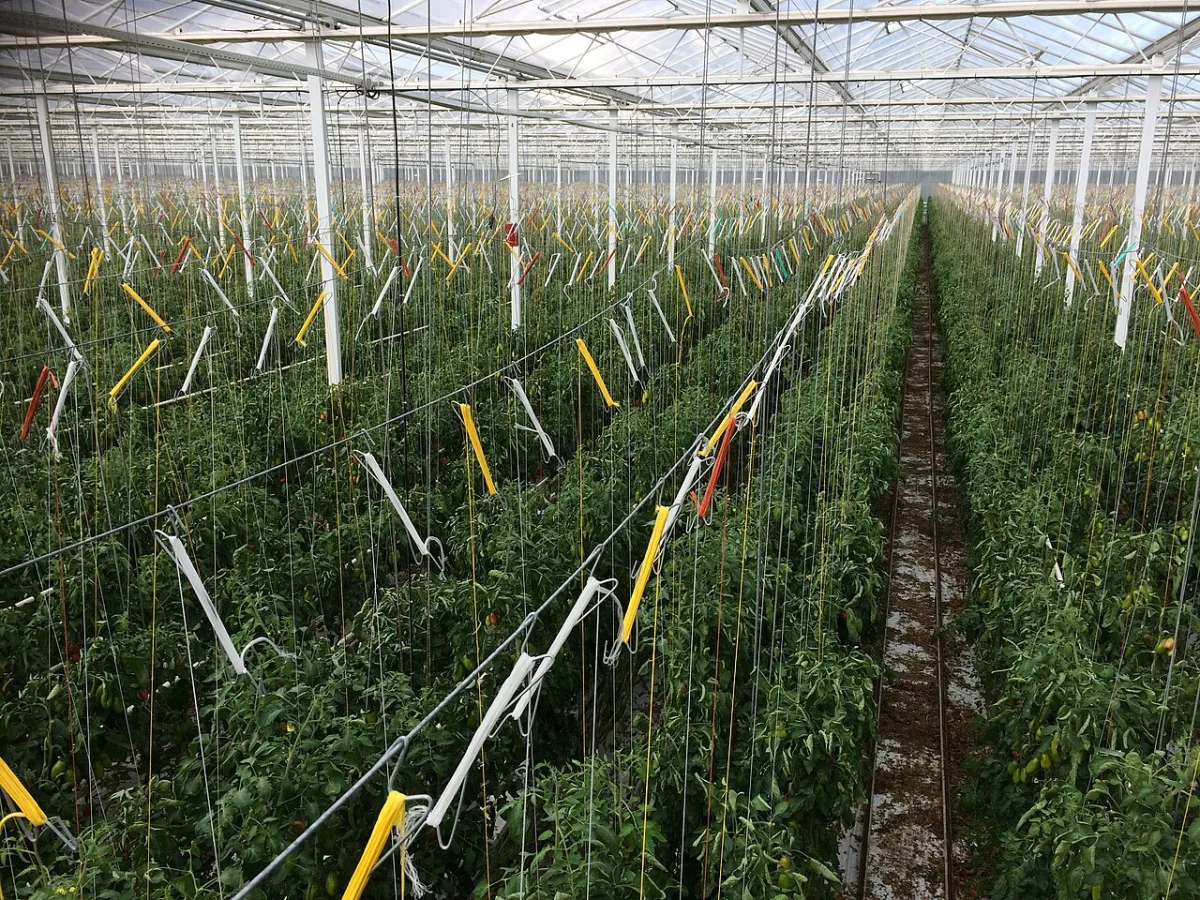
I have extensive experience in this regard. For many years, I have been growing eggplants in a plastic-covered hotbed with a side height of 50 cm. At the end of April, I transfer vegetable seedlings crops from my city apartment to the country house and place them in the hotbed. At the same time, I plant the eggplant transplants in their permanent location. For about a month, the eggplant plants grow among pepper seedlings, tomatoes, and flowers. I place 5—6 eggplant plants of Fialka, Almaz, Gelios, and Premier cultivars per 1 m².
There are practically no beetles in such a structure until the beginning of September (isolated specimens are easily collected by hand). Biologists have noticed that Colorado potato beetle females mostly do not fly but crawl because they are heavy. And the males do not fly to places where there are no females.
In cold, rainy weather, it is advisable to make a roof out of plastic film over the plants. Since the eggplant plants grow beyond the limits of the plastic enclosure, I had to increase the height of the hotbed using beams. In this case, the hotbed could be covered with frames during bad weather without damaging the plants.
By the way, in Germany, the main protection for eggplant against diseases is considered to be exactly the cover of plants with plastic film during rainy weather.
It must be remembered that high eggplant yields can only be obtained on well-fertilized soils. Therefore, in the fall, one bucket of humus per 1 m² should be applied during digging, and in the spring, 50 g of ammonium nitrate, superphosphate, and potash fertilizers should be added per this area.
A very critical period in the process of growing eggplants is the establishment of transplants. When planting seedlings, remember that eggplant is not a tomato, and the stem does not need to be buried in the soil. Eggplant establishes very poorly. For one and a half to two weeks, the plants do not produce any new growth and often shed their lower leaves until the root system begins to recover. That is why it is advisable not to buy eggplant transplants but to grow them yourself using the pot method. This way, you can well preserve the root system during planting. It is advisable to add starter fertilizer to each hole — one or two handfuls of humus and a teaspoon of nitroammophoska. It is very important to ensure a steady supply of moisture to the plants during the establishment period. Irrigation must be accompanied by loosening.
The eggplant is top-dressed several times during the summer, alternating organic and mineral fertilizers. Among organic ones, cow manure and poultry manure are used; among mineral ones — nitroammophoska (60—80 g per bucket of water per 1 m²).
After each top dressing, the plant is watered with clean water.
Fruits are harvested at the stage of technical maturity every 4—5 days, cutting them off along with the stalks. The lightening of the fruit is a sign that the harvesting has been delayed. The harvested fruits should be processed immediately, as they lose their value during storage.
Diseases and control measures for eggplant are generally the same as for peppers.
The eggplant yield in hotbeds is 5—6 kg per 1 m².
Recipes for dishes and preserves from eggplant. Each of us has our own recipes for preparing favorite eggplant dishes. I offer my own, tested ones; perhaps something will come in handy for you too.
When I manage to collect a large harvest of eggplants, I chop them finely and dry them, and then in winter, I soak them and add them to buckwheat soup or borscht. Try it, it is very delicious!
Sauté of eggplant, pepper, tomato, and onion. The vegetables are cut into slices; the eggplant and pepper are fried and placed in a pot, arranged in layers. Sunflower oil, salt, sugar, and a little bit of apple cider vinegar (to taste) are added. Everything is stewed and slightly evaporated.
Eggplant caviar. I boil or bake the eggplant in the oven, peel it, and chop it. Then I stew it for 30 minutes in tomato juice with the addition of oil, salt, and raw onion. I distribute it into jars, seal them, and cover them with something warm.
At the market, we are often tempted by very appetizing-looking Korean dishes. Let’s create competition and ferment the eggplants.
Fermented eggplants. The eggplant fruits are cut lengthwise and boiled in salted water (30 g of salt per 1 L of water) for 30 minutes. Then they are placed under pressure, cooled, and stuffed with filling. The filling consists of fried root vegetables: carrots, parsley, parsnip, and onion. The stuffed fruits are tied with string or a stalk of celery, placed in a pot, sprinkling each row with garlic. On the third day, after fermentation begins, the eggplants are poured over with boiled, cooled sunflower oil and covered with a lid. They are stored in the refrigerator. Fermented eggplants are ready for consumption in 5—6 days.
Eggplant in adjika. The eggplant is sliced into rounds, salted, fried, placed into jars, covered with adjika, and sterilized for 20 minutes. To prepare the adjika, take 30 sweet peppers, 5 hot peppers, and one glass of garlic cloves. The vegetables are put through a meat grinder, and 1 glass of apple cider vinegar is added.
"Desyatka" (The Ten). Cut 10 eggplants and the same amount of sweet peppers into 4 parts each; slice 10 onions into rings. Pour the sauce over all of this and boil in a pot for 20—30 minutes. After that, distribute into jars and seal. To prepare the sauce, run 2 kg of tomatoes and 1—2 hot peppers through a meat grinder, then add 1 glass each of sugar and sunflower oil, 2 tbsp of salt, and half a glass of vinegar. Boil the sauce for 5 minutes.
Bon appétit and enjoy the inspiration that comes from growing your own dietary eggplants!
Read next
Greenhouses and covers For gardeners
Proper irrigation system for greenhouse crops for a stable harvest
Greenhouses and covers For agronomists
Effective methods of controlling diseases and pests of cucumbers
Vegetable growing For gardeners