
Greenhouse tomato cultivation: cultivar selection and yield
4 min read
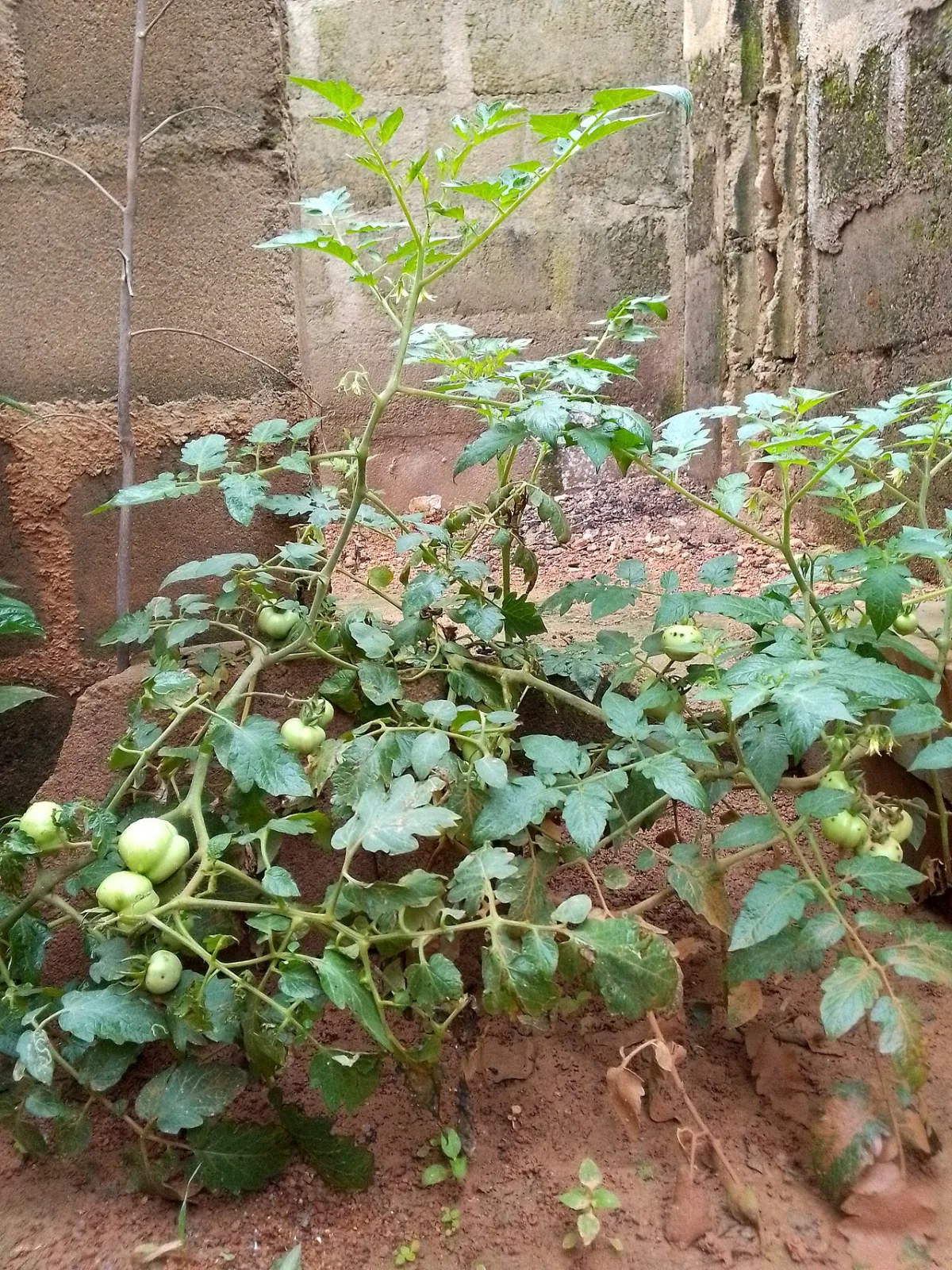
The Main Focus of Greenhouse Farming
For which main crop do you personally set up a greenhouse? And for which main crop, in your opinion, does the majority of our millions of gardening plot owners set up a greenhouse? The answer will be the same. For growing tomatoes.
You rarely meet a grower who, due to their passion, would dedicate a greenhouse almost entirely to flowers, or grapes, or melons. Such people exist, of course, but as an exception. Tomato defines the entire greenhouse life of the private sector. So, is it possible to learn something new about the tomato that could advance many gardeners in their greenhouse endeavors and increase its productivity? One must always remember to set priorities. Not to overlook the main thing. I cannot help but dedicate a separate chapter to the king of protected ground — the tomato.
Yes, only the materials of the greenhouses have changed, but not their contents. People have set up and continue to set up greenhouses primarily for the sake of tomatoes, while all other crops in them serve as a supplement.
The tomato is the hero of any greenhouse epic.
Life shows that there is no such thing as too many tomatoes; it is not just about pickling and canning for the winter, but also using them in almost all dishes in fresh and processed form. It is a more versatile vegetable crop in cooking than:
- sweet pepper;
- eggplants;
- cucumbers, etc.
Tomato Revolution: Myth or Reality?
Why did I bring up this topic? Life has shown that a tomato revolution did not, in fact, happen. It was only an illusion, an influx of a huge variety of different new cultivars and hybrids onto the seed market. Unfortunately, this not only did not improve the qualitative side of this vegetable for us (just as polycarbonate improved the quality of the greenhouse itself), but on the contrary, it almost entirely and universally worsened it. An example is the appearance of a tough white layer in the majority of store-bought and homegrown cultivars. Where did it come from? Well, you see, they tried to make tomatoes more transportable and firmer so that they wouldn't get crushed during transport and would store for longer.
Thus, for the average gardener, there are many cultivars and hybrids "with an industrial bias" on sale. Many are happy to buy such cultivars: "Oh, come on, go for it, they are the most high-yielding!" Yes, they are the most high-yielding; in industry, hybrids are mainly used, since they are more productive than cultivars (due to the "cross," or crossing, and "hybrid vigor" — heterosis), but they do not always fit into a home garden setup.
| Type of seed material | Advantage |
| Hybrids (compared to cultivars) | yield is 30% higher |
Often, their taste is mediocre, especially if you bought a hybrid intended solely for processing (for tomato paste or for pickling).
In addition to the deterioration of fruit quality, the problem of vulnerability to diseases remains. Tomatoes have long been, without a doubt, the most vulnerable crop in the gardens of the Central region. And no tomato revolution can be declared if the problem of diseases hasn't moved an inch for the better. On the contrary, there are more cultivars and hybrids that are very easily affected by diseases.
Searching for Alternatives to Copper-Based Preparations
Since the tomato has always been the most disease-vulnerable crop for us, the avid gardeners of the Non-Chernozem region, searches for ways to protect it from diseases have always been underway. Over the past decades, one can recall a great many claimed methods, but to this day, guaranteed success among all the experts still comes down to copper-based preparations. I, however, have fundamentally looked for a way to do without them and without any "chemicals" at all, while testing, of course, all those claimed methods along the way.
Factors Influencing the Yield of Greenhouse Tomatoes
Conclusion. In a greenhouse, with skillful cultivation, the difference in yield between cultivars and hybrids is practically non-existent. The fact is that, on the whole, both are high-yielding, and the specific yield figures for each cultivar or hybrid are largely conditional.
Judge for yourself: all greenhouse cultivars are indeterminate, i.e., they are capable of continuous fruiting, and only the end of the season in autumn stops them. There is no such thing as a final yield, only the finality of the season.
In reality, the yield depends much more on the following factors:
- pruning/training;
- fertilizer application;
- irrigation;
- how well the plant managed to fit into the warm season and how many fruits it managed to grow.
All this turns out to be more important than some abstract stated yield. You can safely buy any cultivar you like, put in the necessary effort — and the yield will be just fine.
Read next
Greenhouses and covers For gardeners
Features of growing peppers, eggplants and tomatoes in greenhouses
Greenhouses and covers For gardeners
Criteria for selecting high-quality cellular polycarbonate for a reliable greenhouse
Greenhouses and covers For gardeners