
Criteria for selecting high-quality cellular polycarbonate for a reliable greenhouse
3 min read
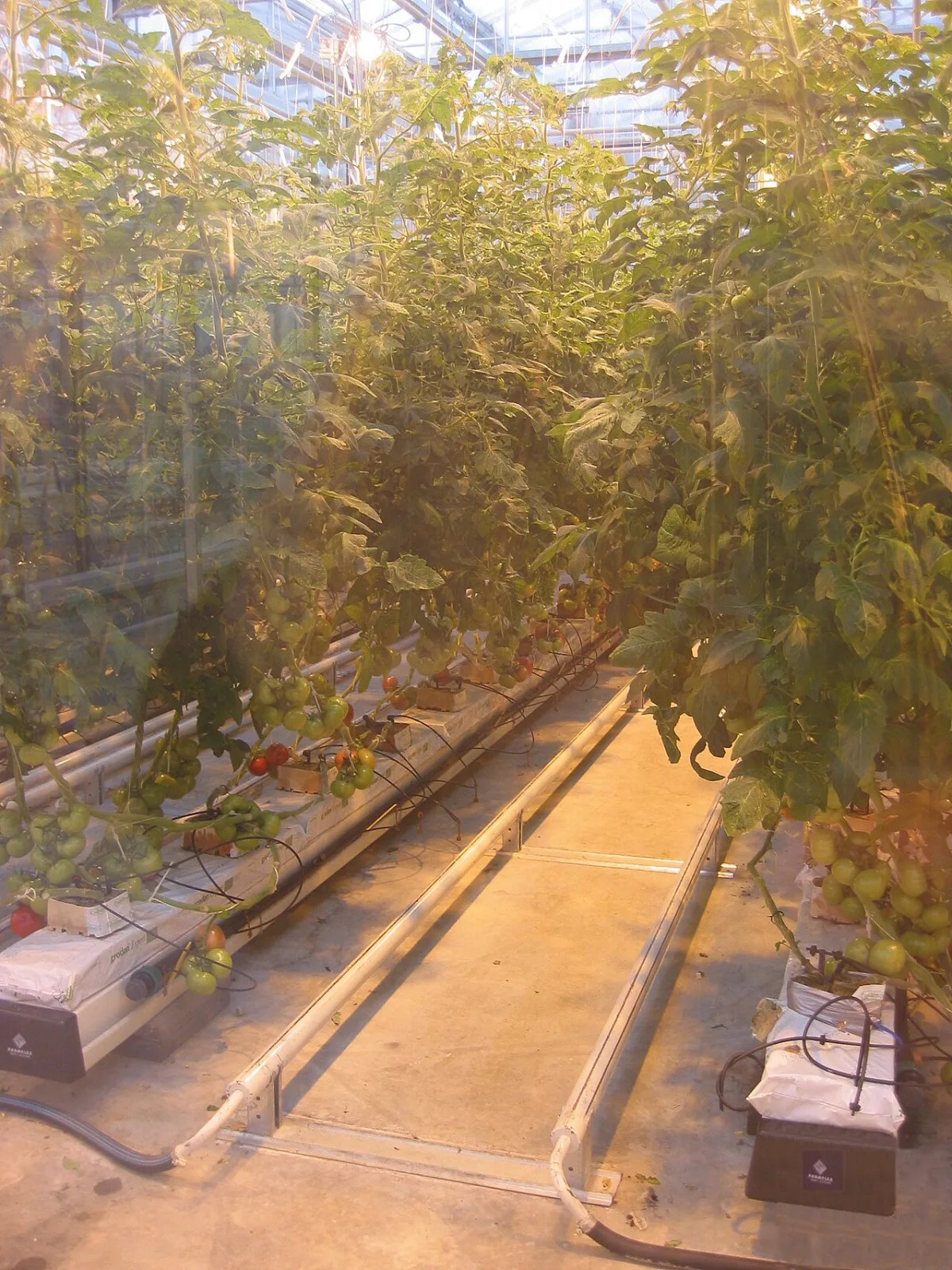
Purchasing polycarbonate from non-certified sites often results in the destruction of the greenhouse cover by the next season. Poor-quality material under the influence of ultraviolet light, frost, and wind loads quickly becomes cloudy, cracks, and crumbles. To protect the farm from losses, polycarbonate should be purchased only from verified manufacturers of greenhouse equipment and specialized agricultural firms.
High-quality cellular polycarbonate is a full-fledged next-generation structural material designed for many years of outdoor use. Manufacturers provide an official 10-year warranty on original material, and its actual service life turns out to be even longer. The strength and durability of the sheet are achieved through the purity of the raw materials and strict adherence to technology.
Reliable polycarbonate differs from cheap analogues by the following characteristics:
- the use of pure, homogeneous raw materials without dilution with cheap impurities;
- precisely maintained thickness of the sheet layers and partitions;
- the presence of a special protective coating against ultraviolet rays on one side.
Savings when buying cheap polycarbonate are achieved through extremely thin walls, dilution of the starting raw material, and the complete absence of a UV-protective coating. Such material is destroyed by sunlight, frost, and wind just as quickly as ordinary film.
Selection parameters: sheet thickness and coating color
Unlike polyethylene film, cellular polycarbonate was originally created as a durable construction material for outdoor environments — it is used to erect canopies, pedestrian crossings, and fences. In greenhouse farming, sheets of a specific thickness are used, providing an optimal balance between light transmission and mechanical strength.
| Coating purpose | Recommended coating thickness |
|---|---|
| Garden greenhouses | 4–6 mm |
The choice of coating color directly affects the development of plants. The use of colored polycarbonate (turquoise, yellow, or pink) is justified only in highly specialized cases. For example, a constant pink spectrum accelerates flowering, but the crop may significantly underperform in total biomass and lose out in size.
For universal greenhouses with annual crop rotation or simultaneous cultivation of different species (vegetables and greens), only transparent coating should be used. If spectrum modification is necessary, agronomists apply a washable pink whitewash — a suspension of tinted chalk — to the inside of the dome.
Read next
Greenhouses and covers For gardeners
DIY construction of a polycarbonate and plastic pipe greenhouse
Greenhouses and covers For gardeners
Choosing a reliable metal frame and hoops for a greenhouse
Greenhouses and covers For gardeners