
Advantages and specific features of using polycarbonate greenhouses in allotments
4 min read
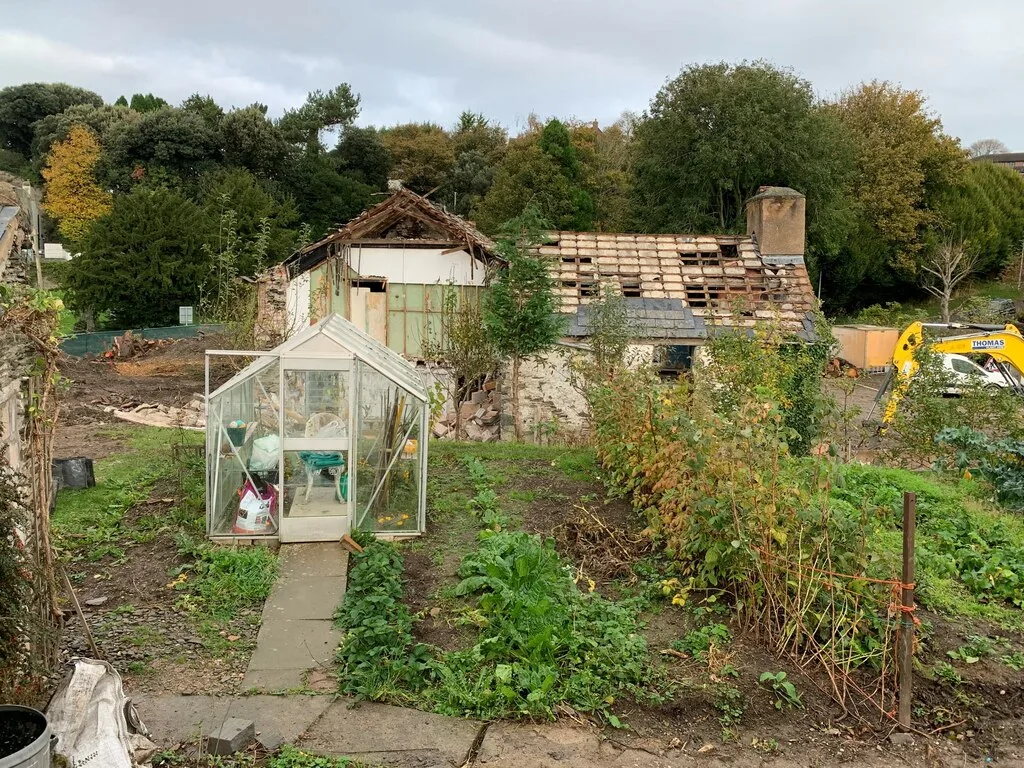
The emergence of a flexible, transparent material — cellular polycarbonate — has shaped a new approach to organizing protected ground in garden plots. It is consistently displacing silicate glass, as well as standard, reinforced, and specialized polyethylene films and non-woven materials. Availability, ease of delivery, and low maintenance requirements have made the installation of high-quality covers widespread, and today many plots operate two or more structures simultaneously.
The main technical and economic advantage of polycarbonate is the ability to reduce the material intensity of the load-bearing frame. The material meets high requirements for strength and durability, yet is easy to cut, bend, and mount. Since the frame accounts for a significant portion of the cost of any greenhouse structure, reducing its weight directly lowers the final cost of the cover.
- Professional installation time — 2 hours
- DIY assembly time — 2 evenings
- Main types of cover material — 3 (polycarbonate, glass, film)
The practical advantages of the installation process and further operation of polycarbonate covers are caused by the following factors:
- Supply of structures as ready-made kits, convenient for transportation;
- High assembly speed (from a couple of hours to two evenings of work);
- No need for annual spring tensioning of film covering;
- Elimination of labor costs for regular replacement of cracked and broken glass.
Distinction of terms and criteria for selecting cover material
In scientific and methodological literature, it is accepted to formally divide protected ground structures based on the presence of heating. According to the scientific definition, only a structure that has artificial auxiliary heating, in addition to natural solar heating, is considered a greenhouse. From this point of view, any unheated polycarbonate covers ("shells", arched structures) or glass blocks formally belong to hotbeds.
In practical agronomy, production, and trade, the customary everyday classification is used. Hotbeds refer to small-sized film or lutrasil tunnels on hoops. Large-sized structures made of polycarbonate or glass are called greenhouses. It is this terminology that is used when selecting structures for specific technological tasks.
When choosing a structure, it is important to consider the specifics of the materials: silicate glass surpasses its competitors in durability, cellular polycarbonate provides maximum manufacturability and cost reduction of the frame, and under specialized films, it is possible to obtain high yield with minimal initial costs.
Read next
Greenhouses and covers For gardeners
Criteria for selecting high-quality cellular polycarbonate for a reliable greenhouse
Greenhouses and covers For gardeners
Selection of materials and operational features of frame greenhouses
Greenhouses and covers For gardeners