
Safety regulations for the storage and application of mineral fertilizers in agricultural production
3 min read
Safety during the storage and mineral fertilizers">application of mineral fertilizers is not just a matter of fulfilling formal sanitary requirements, but the foundation for protecting the health of employees and preserving farm assets. Any negligence in handling agrochemicals can lead to severe poisoning, chemical burns, or devastating fires. It is essential for a practicing agronomist to strictly control compliance with all regulations, from the layout of storage facilities to tractor operations in the field.
- Distance from a fertilizer warehouse to a residential area — at least 200 m
- Distance from a shared warehouse for fertilizers and pesticides to a residential area — at least 500 m
- Safe distance from an open flame to an ammonia warehouse — at least 10 m
- Danger zone radius when operating disc spreaders — 50–80 m
- Minimum age for personnel permitted to perform work — 18 years
- Power line safety zone during spraying with liquid organic fertilizers — at least 30 m
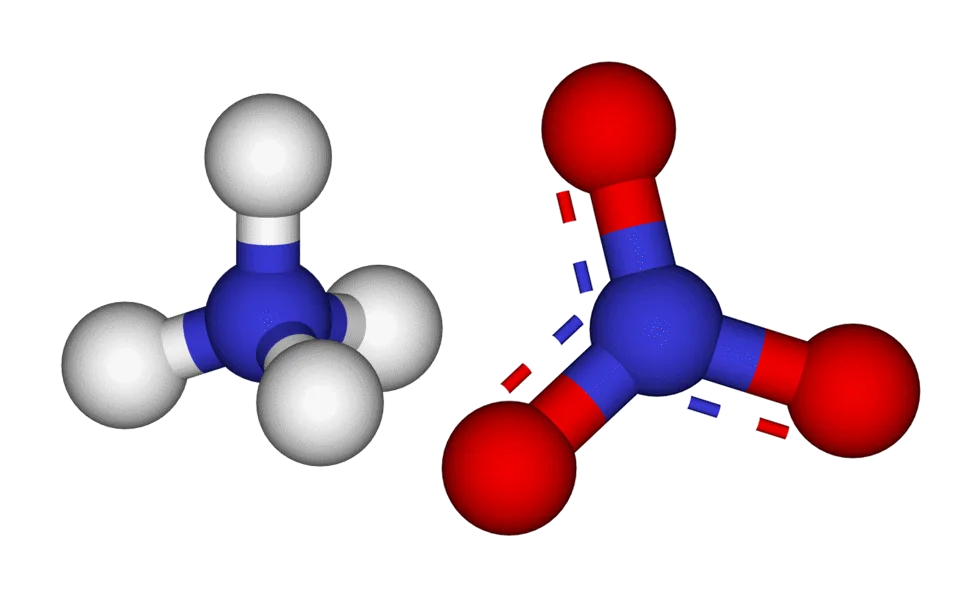
Storage of ammonium nitrate and ammonia requires special attention, as these substances pose an increased risk of fire and explosion. Warehouses for their storage must be equipped with firefighting gear. In rooms designated for ammonium nitrate, all wooden structures and components are prohibited, with the exception of window frames, doors, and gates. An ammonia-air mixture is extremely explosive, so employees must exercise extreme caution when handling this substance.
Only adult employees who have undergone medical examinations, specialized training, and safety briefings are permitted to work with mineral fertilizers. It is prohibited to involve pregnant and breastfeeding women, as well as persons with lung diseases, in the technological process.
Safety rules for fertilizer application and machinery maintenance
During the transport and application of fertilizers, machine operators and support staff must strictly observe workplace discipline. It is strictly forbidden to transport people, food, or drinking water in the same truck bed or trailer as mineral fertilizers. Grazing of livestock and poultry is prohibited in fields where surface application of solid or liquid fertilizers has been performed. After the end of a shift, all employees must wash thoroughly with soap.
When working with machinery for the application of fertilizers, follow these rules:
- Do not approach moving spreading components of machines.
- Do not stand in the rotation plane of the discs of operating spreaders.
- Load machines with fertilizer only after they have come to a complete stop.
- Do not sit on the equipment or stand between the tractor and the machine during transport and application.
- Clean the coulters of combined seed drills only with special scrapers and brushes.
- Do not exceed the machine's operating speed beyond that established by technical specifications.
When applying liquid complex fertilizers, the equipment must be pre-converted by replacing all non-ferrous metal fittings with steel ones. When working with liquid fertilizers, it is necessary to protect the body and especially the eyes from contact with the solution. If the delivery system becomes clogged, clean it according to the strictly established procedure.
- Disassemble the clogged component (pipeline, valve, or nozzle).
- Rinse the parts with clean water or blow them out using a hand pump.
Wells and manure pits where toxic gases accumulate are extremely dangerous areas. In all enclosed technological facilities, it is important to monitor gas levels, and electrical equipment must be reliably grounded.
It is strictly prohibited to descend into a well or manure pit without a gas mask, a safety harness with a safety rope, special instruction, and the presence of two partners. It is forbidden to burn off accumulated gas with fire or perform work in an uncleaned reservoir that could cause a spark.
Read next
Agrochemistry For students
Rules for storage, transportation and preparation of mineral fertilizers for application
Agrochemistry For students
Technology and rules for the mixing of mineral fertilizers in agricultural production
Agrochemistry For students