
Fever in livestock animals: etiology, stages, and classification
6 min read
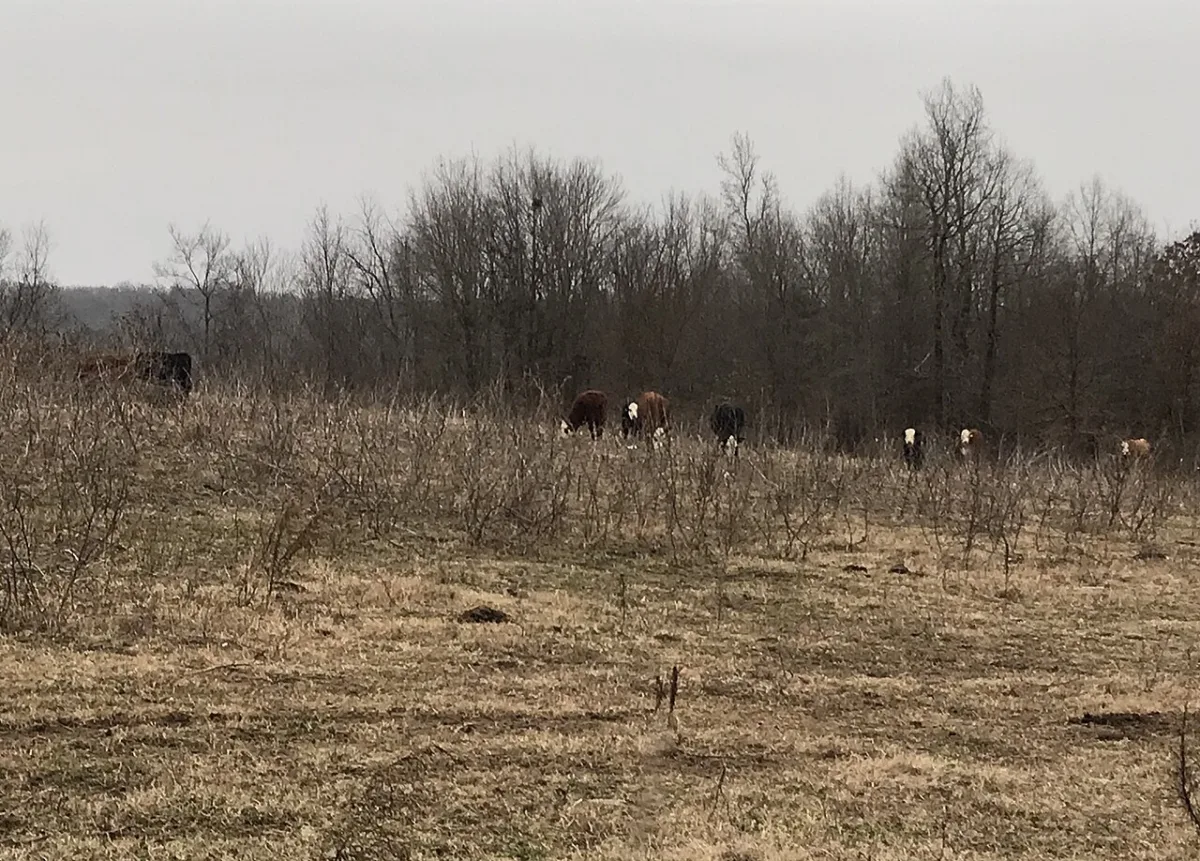
Fever in livestock animals is not a specific disease, but a systemic organism response to infections, toxins, or pharmacological irritants. When it occurs, thermoregulation is disrupted, the functioning of internal organs changes, and body temperature rises. Pyrogens — substances released during leukocyte destruction and tissue damage — serve as the signal to trigger this process. It is important for a livestock breeder to recognize the type of fever in time to assess the severity of the herd's condition and adjust the treatment.
Three stages of fever and risks for the animal
Any febrile process proceeds in a predictable manner and goes through three consecutive stages. It is important for a livestock breeder to track their progression in order to notice a threat to the herd's life in time. The dynamics of heat exchange reorganization are as follows:
- Temperature rise. The organism begins to actively generate heat while simultaneously reducing heat dissipation.
- High-temperature plateau. Increased heat generation is balanced by high heat dissipation, and the temperature stabilizes at its peak.
- Temperature decrease. Heat production drops, and heat dissipation increases, returning the organism to normal.
The temperature decrease can occur gradually over 2–3 days. This fever resolution is called lysis, and it is the easiest for animals to tolerate. If the temperature drops within a few hours (crisis), a serious threat to life arises. In unfavorable outcomes, sharp temperature fluctuations occur in the third stage, leading to a pre-mortal state.
A critical drop in temperature (crisis) within a few hours is dangerous for the animal's life. A sharp decline overloads the cardiovascular system and can lead to a fatal outcome.
After recovering from a fever, animals often remain weak and lose productivity. This period is called convalescence, and the recovering individuals are known as convalescents. Restoring their productive potential requires special attention and supportive care.
Types of temperature curves and metabolism
The nature of the temperature curve serves as an important diagnostic sign for a veterinary specialist. Depending on daily fluctuations and the duration of the fever, it is divided into several types. This helps to differentiate between diseases with similar external symptoms.
- Subfebrile rise — by 1–1.5 °C
- Moderate rise — by 2–3 °C
- High rise — by 3–4 °C
- Hyperpyretic rise — by more than 4 °C
- Pulse increase per 1 °C of heating — by 8–10 beats per minute
Types of fever based on the character of the temperature curve:
- Constant: rapid rise, lasts about a week with daily fluctuations within 1 °C (typical for lobar pneumonia and paratyphoid).
- Remittent: daily fluctuations exceed 1 °C for the same duration (cavernous tuberculosis, sepsis).
- Intermittent: alternating periods of high and normal temperature at equal intervals (observed in human malaria).
- Recurrent: the attack lasts for several days, alternates with a 2–3 day normal period, after which the rise repeats (equine infectious anemia, relapsing fever in humans).
- Hectic (exhausting): prolonged course with daily drops of up to 4–5 °C (sepsis, tuberculosis).
- Atypical: chaotic alternation of temperature rises and falls (acute form of glanders, sepsis).
- Ephemeral (short-term): lasts from a few hours to two days (reaction to vaccinations, transportation, postpartum complications).
- Undulant: temperature smoothly rises over a week, decreases just as smoothly, and then rises again (brucellosis, tularemia).
In infectious fevers, animals exhibit a negative nitrogen balance. Intense protein breakdown occurs, urea excretion increases, and general intoxication ensues.
Febrile states cause profound changes in the entire metabolism. In addition to protein breakdown, the liver loses its glycogen stores, and blood sugar levels rise. Fats are not oxidized completely, which causes ketone bodies to accumulate in the organism, and acetone is excreted with urine. Water-salt balance is also radically restructured according to the phases of the process development.
| Fever stage | Changes in water-salt metabolism |
|---|---|
| Stage 1 (temperature rise) | Diuresis increases due to increased renal blood flow. |
| Stage 2 (temperature plateau) | Diuresis decreases; water accumulates in organs, tissues, muscles, and the site of inflammation. |
| Stage 3 (temperature decrease) | Diuresis and sweating increase, leading to weight loss and the excretion of large amounts of sodium chloride in urine. |
The nervous system responds to fever with depression, apathy, general weakness, and drowsiness. To compensate for overheating and saturate tissues with oxygen, the animal's breathing rate increases. The cardiovascular system responds to rising temperature with an increased pulse and a moderate rise in blood pressure.
Digestive tract performance is significantly reduced during a fever. The animal loses its appetite, mucous membranes become dry, absorption and intestinal motility are slowed down, decay processes are intensified, and general intoxication of the organism sets in.
Fever is considered a defensive and compensatory process of the entire organism, a physiological measure against disease. Indeed, during a febrile state, both redox processes in the organism are activated, phagocytes perform their protective function more effectively, and blood circulation improves. Furthermore, with an increase in temperature, the resistance of microbes decreases, the development of certain viruses is delayed, the barrier function of the liver improves, etc. In this regard, the practice of cautious artificial overheating of the organism is used in therapeutic settings, which accelerates the resolution of chronic processes. However, on the other hand, the organism is not capable of maintaining all processes at such an elevated level for a long time; it becomes exhausted and loses its ability to adapt to environmental conditions. At high temperatures, the hyperthermic factor itself can become a cause of further metabolic disorders, the accumulation of toxic substances, and dysfunction of various organs and systems. Thus, fever should be viewed from two perspectives: on the one hand, there is the positive role of fever, and on the other hand, fever carries negative properties for the organism.
Fever should not be treated, except when it arises as a result of an increase in ambient temperature, as it belongs to the mechanisms of non-specific defense. It is necessary to treat the disease that caused it (antibiotics). Antipyretic agents normalize body temperature but, in doing so, disrupt the mechanisms of non-specific defense, especially leukopoiesis (the process of white blood cell formation; it decreases, and leukopenia – a reduction in the number of leukocytes in the blood – is observed).
Provide definitions for the following concepts: disease, physiological state, norm, compensated state, pathological reaction, pathological state, pathological pro-
Name and characterize the periods of a disease.
Characterize clinical and biological death, termi-
11. What types of local circulatory disorders are you aware of?
12. What are arterial and venous hyperemia, how do they differ-
13. What is inflammation, name its signs?
14. What stages of inflammation are you aware of?
16. What types of purulent inflammation are you aware of?
17. What is fever, its stages, classification?
18. What is the significance of fever for the organism?
Read next
Veterinary medicine For students
Pathological processes and regressive tissue changes in livestock animals
Veterinary medicine For students
Fundamentals of veterinary nosology, etiology and pathogenesis of livestock animal diseases
Soil and tillage For students