
Technological methods for managing the growth and development of vegetable crops
8 min read
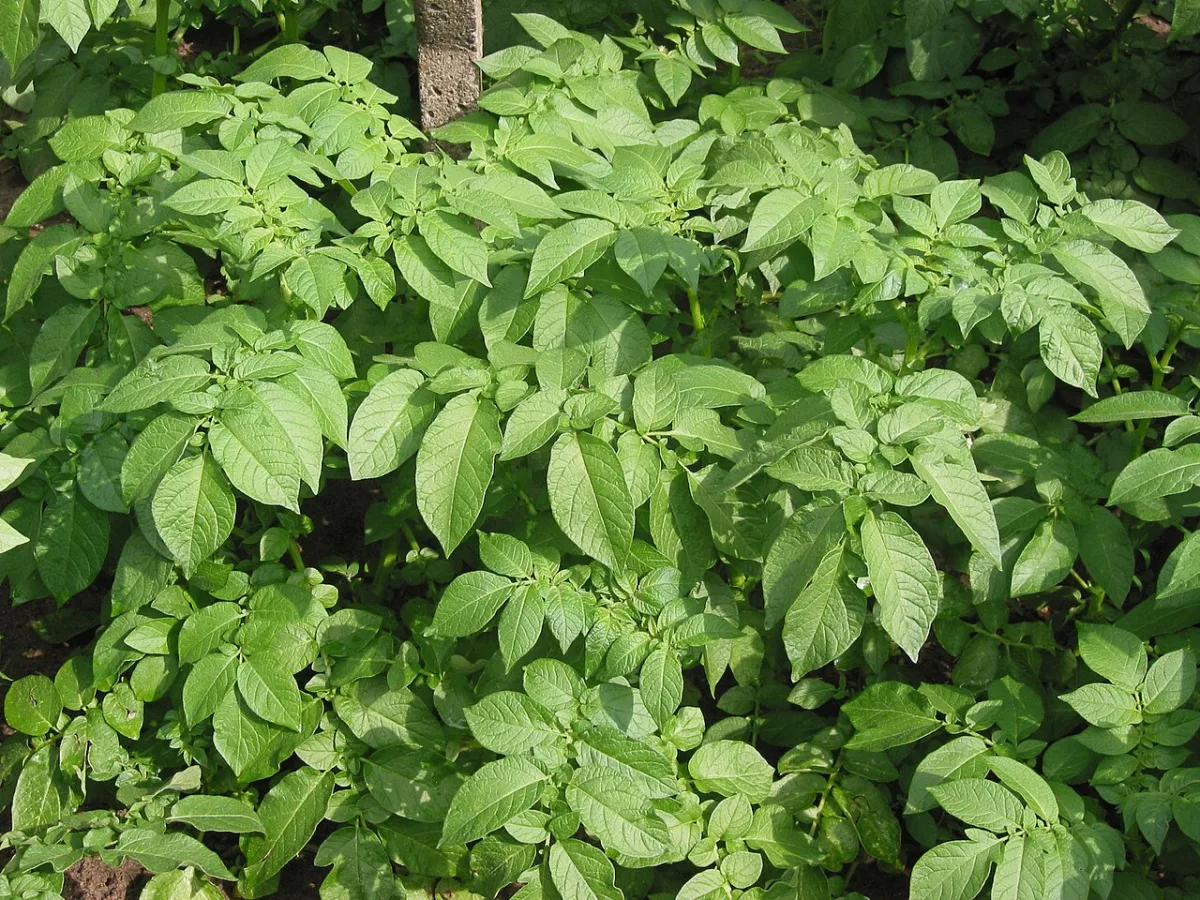
Managing plant growth through training and surgical intervention allows for the redirection of nutrients to the productive organs and accelerates ripening. One effective way to improve growth and increase fruit quantity is vertical cultivation. In protected ground, this is a standard cultivation method, whereas in open field conditions, due to the focus on mechanical operations, it is mainly used in private gardens. In the 1920s–1930s and earlier, tent-style supports were used for cucumber and tomato, which allowed for a 2–3-fold increase in yield compared to sprawling crops.
To limit stem growth, agronomists employ apical pinching. For tomato, this practice regulates the number of clusters and accelerates fruit ripening, while for standard cucumber cultivars, it stimulates early formation of side shoots with female flowers. Simultaneously with tomato pinching, desuckering is performed — the removal of side shoots to improve the growth of the remaining stems and fruits. In greenhouses, side shoots are also removed from cucumber, pepper, and eggplant to regulate crop load, improve the photosynthesis of each leaf, and extend the plant's life. To improve tomato fruit quality, a portion of the fruit set in the cluster is sometimes additionally removed.
Apical pinching is contraindicated for cucumber hybrids with a predominantly female type of flowering. This practice will delay the appearance of female flowers and artificially extend the growing season.
Surgical methods also include the removal of reproductive organs and leaves. For bolting garlic cultivars, scapes that form aerial bulbils are broken off in a timely manner to redirect nutrients to the underground part. When growing tomatoes in greenhouses, lower leaves that have already ensured fruit filling are removed before the first harvesting. This measure facilitates harvesting, improves air circulation in the ground zone, and prevents the development of diseases.
Regulation of Growing Schedules and Temperature Regimes
The planting dates of vegetable crops directly affect the balance between vegetative growth and fruiting. A prime example is radish cultivation, the development of which depends on day length and air temperature. Shifting sowing dates can completely deprive an agronomist of marketable produce:
- April – May and September – October — optimal periods when radish forms a quality root crop.
- June – July — under the influence of long days and high temperatures, plants bolt quickly and transition to flowering without forming a root crop.
- Late autumn and early winter — root crops do not form due to a critical lack of light.
Preparation of planting material also requires strict control of environmental parameters. The temperature regime of onion set storage determines the direction of its further development. Violation of storage technology triggers premature differentiation of the growing point, which leads to mass bolting of plantings instead of the formation of a large bulb.
- Yield increase of tomato and cucumber on tent supports — 2–3 times
- Yield gain of garlic bulbs when removing scapes — by 15–20 %
- Storage temperature of sets for commercial bulb production — 0 °C or +18...+20 °C
- Storage temperature of sets causing bolting — +5...+10 °C
When growing mother bulbs of onion for seed production, the inverse approach is applied. In this case, conditions that accelerate development and stimulate the formation of flower stalks (storage at +5...+10 °C) are mandatory to obtain a seed harvest.
Managing Nutrition and Fruiting of Vegetable Crops
The effectiveness of mineral fertilizers depends directly on the biological characteristics of the crop. During growth, vegetable plants change their needs not only in the total volume of nutrition but also in the ratio of nitrogen, phosphorus, and potassium. The timely application of the required element in a specific development phase allows for purposeful management of productivity.
White cabbage absorbs more nitrogen than potassium from the transplant stage. Nitrogen top dressing shortly after transplanting ensures early head setting, whereas nitrogen deficiency leads to a serious delay in their formation. For tomato and potato, the dynamics are different: after transplanting, tomato requires nitrogen to build up vegetative mass, while during the fruiting phase, the need for potassium and phosphorus increases. Potato actively consumes nitrogen until flowering, and afterwards, during the tuberization period, it switches to phosphorus and potassium.
For remontant vegetable crops, such as tomato, cucumber, pepper, eggplant, pea, and bean, the duration of fruiting is critically important. Timely harvesting directly affects the overall productivity of these plants. Determinate type cultivars do not require frequent harvesting, as their growth stops naturally after the formation of a certain number of fruits or clusters.
Do not leave overripe fruit on everbearing plants. Even a single such fruit inhibits stem growth and interferes with the formation of new fruit sets, reducing overall yield.
Growth regulators: rules for working with phytohormones
Phytohormones coordinate cell division, tissue differentiation, flowering, and fruit formation. The application of auxins, gibberellins, and cytokinins helps direct plant physiological processes in the desired direction. However, vigorous plants produce enough gibberellins on their own, so additional treatment will have no effect on them.
Heteroauxin is used to stimulate root formation during vegetative propagation and to increase the energy of seed germination. Gibberellin breaks dormancy in potato tubers and other vegetative organs. A gibberellin solution accelerates the transition of long-day crops, including carrot, parsley, spinach, and dill, to flowering even under short-day conditions. In cucumber seed production, using a female flowering type, spraying with this preparation at the three-to-four true leaves stage induces the appearance of male flowers in the lower nodes.
- Heteroauxin concentration for seeds — 10–20 mg/L
- Gibberellin concentration for accelerating flowering — 10 mg/L
- Cucumber spraying phase for gibberellin — 3–4 true leaves
- Succinic acid concentration for transplants — 20 mg/L
Artificial stimulants can accumulate in the productive parts of plants. It is safest to apply them for pre-sowing seed treatment or soaking the roots of transplants, but not on actively growing plants before harvesting.
Artificial stimulants also show high efficiency, but require strict adherence to the regulations. Some preparations decompose slowly in plant tissues and can persist in the produce, which is undesirable for the consumer. When soaking transplant roots and during seed treatment, use solutions of a strictly established concentration.
| Substance name | Working solution concentration |
|---|---|
| Succinic acid | 20 mg/L |
| Methylene blue | 0.3 g/L |
| Potassium bromide | 0.5 g/L |
| Sodium bicarbonate | 5–10 g/L |
| Indole-3-butyric acid | 20 mg/L |
Natural and synthetic stimulants only activate the vital forces of plants but do not replace nutrients. Their application yields results only with balanced application of macro- and micronutrients. Without a sufficient background of mineral fertilizers, treatment with stimulants will be ineffective.
In vegetable growing practice, there is often a need to temporarily suspend the rapid growth of green mass. This is necessary to redirect the plant's resources toward the active formation of reproductive organs. This task is solved using inhibitors — substances that block the activity of growth enzymes.
Natural inhibitors are produced by the plants themselves. They accumulate most in seeds during the transition to a state of deep dormancy. These substances are also present in the vegetative storage organs of biennials and perennials that are in a state of deep dormancy, although in significantly smaller quantities. Acting as natural barriers to germination are:
- essential oils;
- alkaloids;
- ammonia;
- ethylene;
- hydrocyanic acid;
- abscisic and indole-3-acetic acids;
- natural inhibitors specific to the plant species.
Artificial inhibitors in vegetable growing practice
For the targeted management of crop development, farms use synthetic preparations. They allow for solving specific technological tasks both at the transplant growing stage and during the storage of the harvested crop.
- TUR preparation (chlormequat chloride) — used to prevent the overgrowth of tomato transplants.
- M-1 preparation (methyl ester of naphthalene acetic acid) — used to delay premature sprouting of potatoes and reduce losses during the storage of potatoes, root crops, and onions.
The use of growth stimulants and inhibitors, especially artificial ones, in excessively large doses leads to profound changes in plant metabolic processes and can cause their death. Strictly follow the instructions for the use of recommended preparations.
The described techniques for influencing the growth and development of vegetable plants are only a small part of the solutions available to an agronomist. These technological methods serve as guidelines for structuring work toward obtaining high yields of quality produce.
Read next
Greenhouses and covers For agronomists
Technology for growing and planting cucumber seedlings in protected soil
Greenhouses and covers For gardeners
Cultivation technology for asparagus lettuce and radish in protected soil
Storage and processing For students