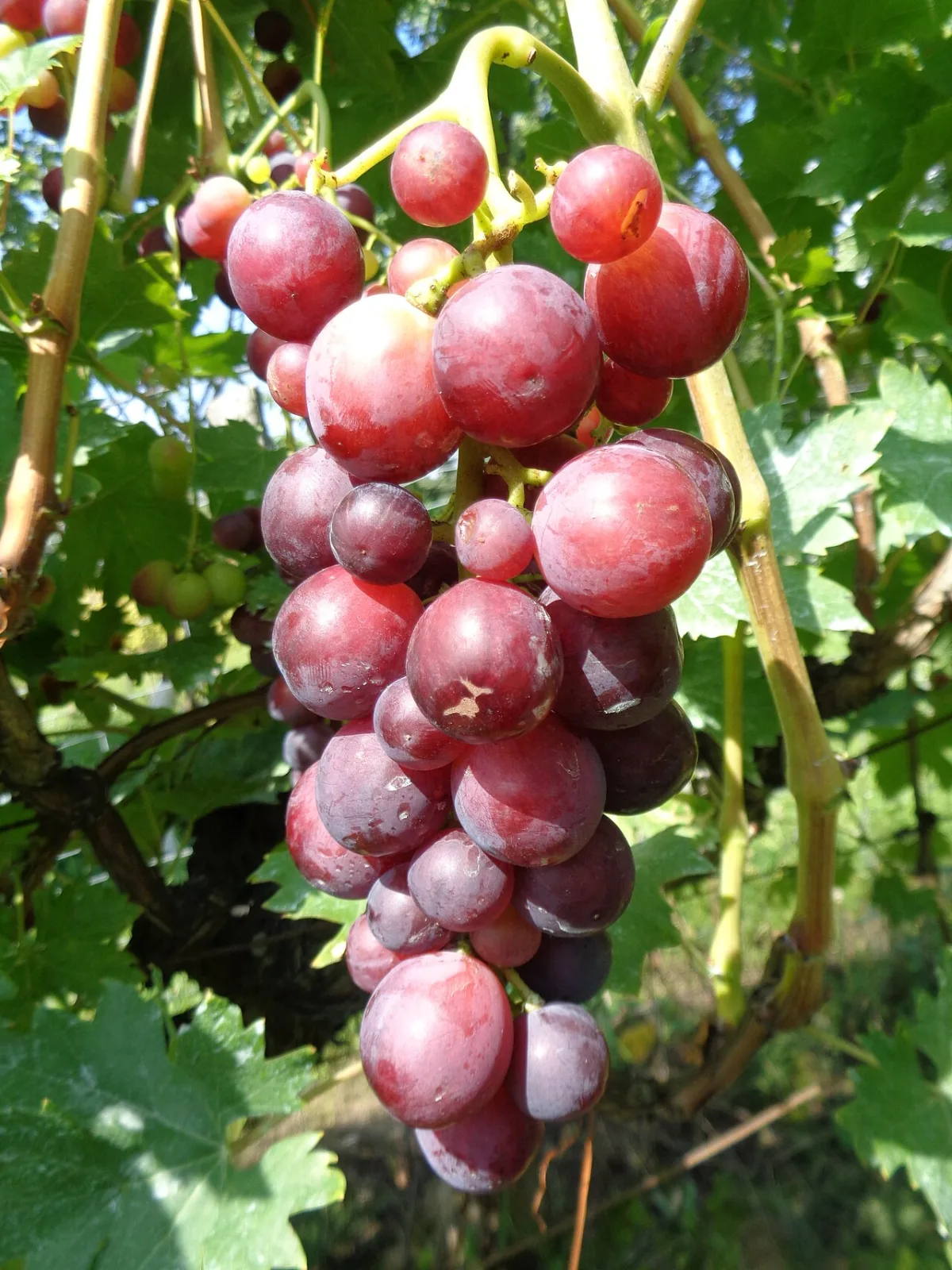
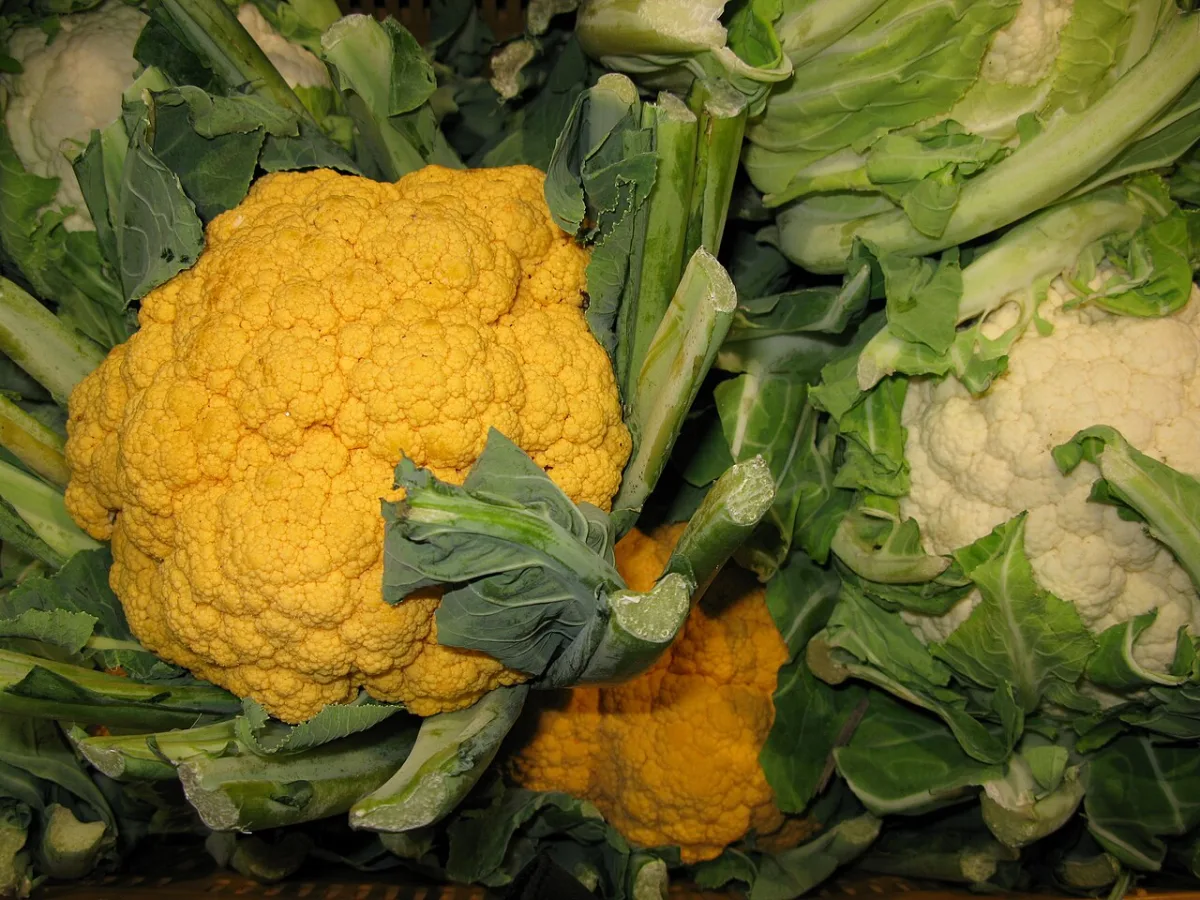
Winter storage of produce and planning for the future harvest are key stages in the work of an agronomist and a gardener, requiring an understanding of plant biological processes. The ability to properly organize the post-harvest period allows for a significant extension of the consumption period for vegetables and fruits, as well as ensuring the storage of high-quality planting material for the next season. Systematizing knowledge about crop life cycles and breeding methods helps minimize losses and lay the foundation for productive agriculture.
In this selection, we have gathered materials covering the most important aspects of plant production: from the choice of cultivar and the specifics of their storage to the organization of mother plantations. You will learn about the key characteristics of table grapes, methods for extending their shelf life, and the rules for conducting inspection of own-rooted crops. The articles also examine in detail the specifics of vegetable plant development, their classification, and the influence of the life cycle on overall productivity. These data will help professionals and amateurs optimize agrotechnical processes and achieve consistently high results in working with the harvest.