Soil fertility is the fundamental basis of plant cultivation, determining the yield potential and stability of agroecosystems. For agronomists and garden plot owners, understanding the physical and chemical processes occurring in the soil cover is the key to rational management of plant nutrition. Knowledge of fertility factors, organic matter transformation mechanisms, and agrochemical control methods allows for a transition from intuitive farming to a scientifically grounded resource management system, ensuring a balance between high crop productivity and the preservation of long-term soil potential.
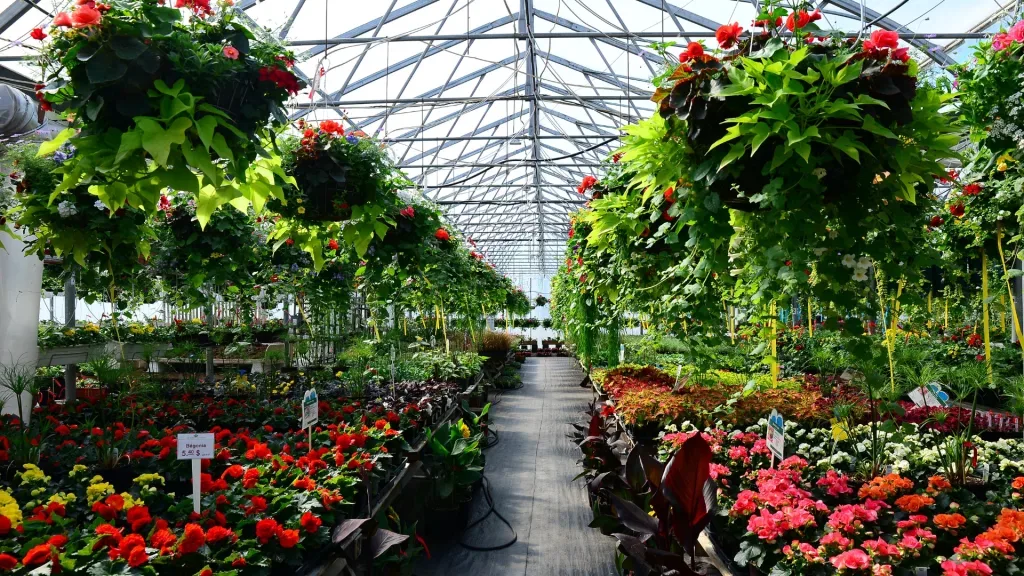
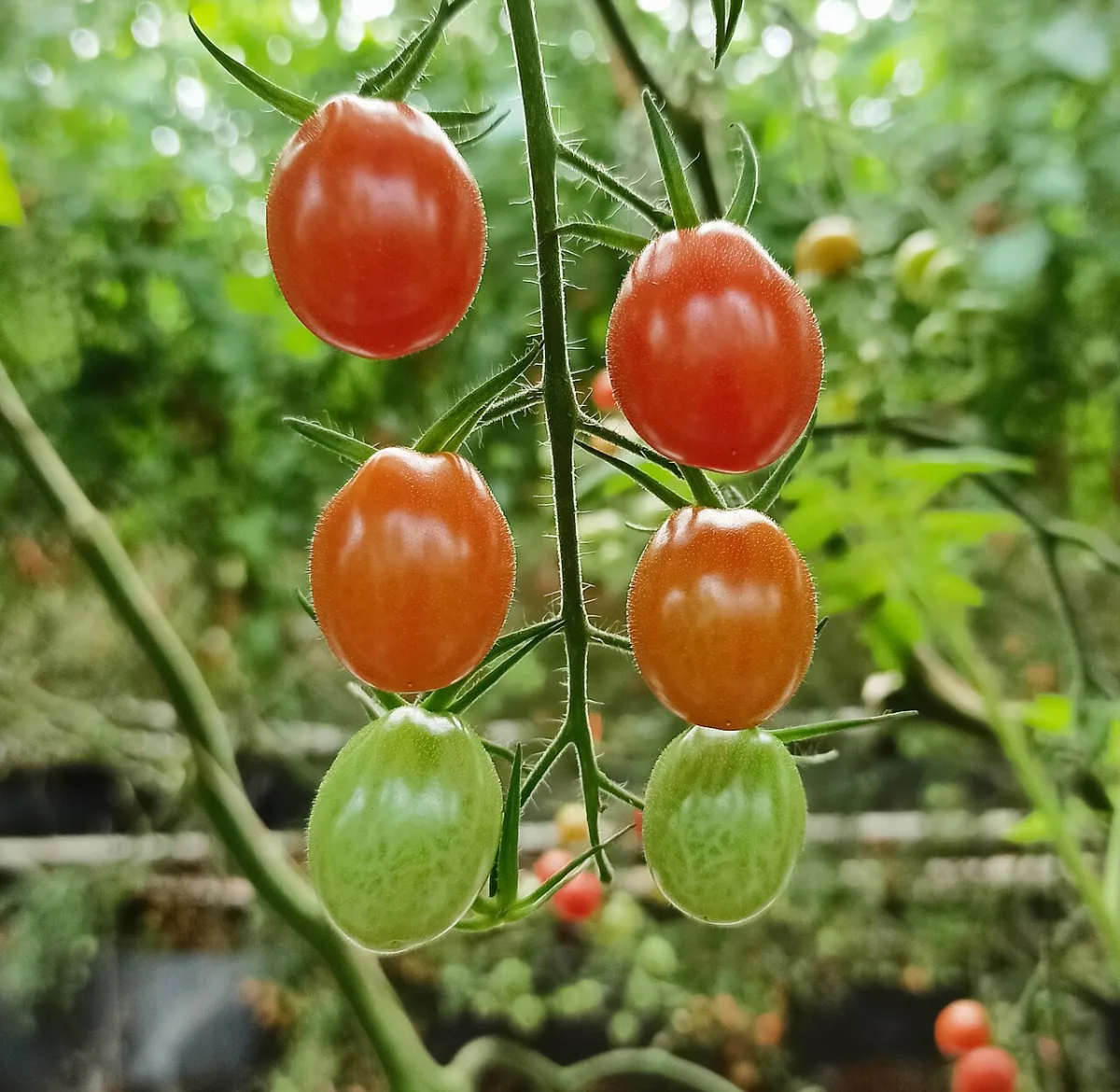
This collection brings together materials on a wide range of issues: from the history of the development of agrochemical science and the classification of farming systems to practical methods of fertilizer application. Readers will find information here on the role of microbiological preparations, the significance of crop residues, and the principles of field trial planning. Separate articles are devoted to highly specialized topics, including the optimization of nutrition for vegetable and flower crops, the nuances of growing transplants in protected ground, and the specifics of working on a garden plot. The presented materials will help to systematize knowledge about methods for assessing fertility and master modern algorithms for calculating nutrient application rates.