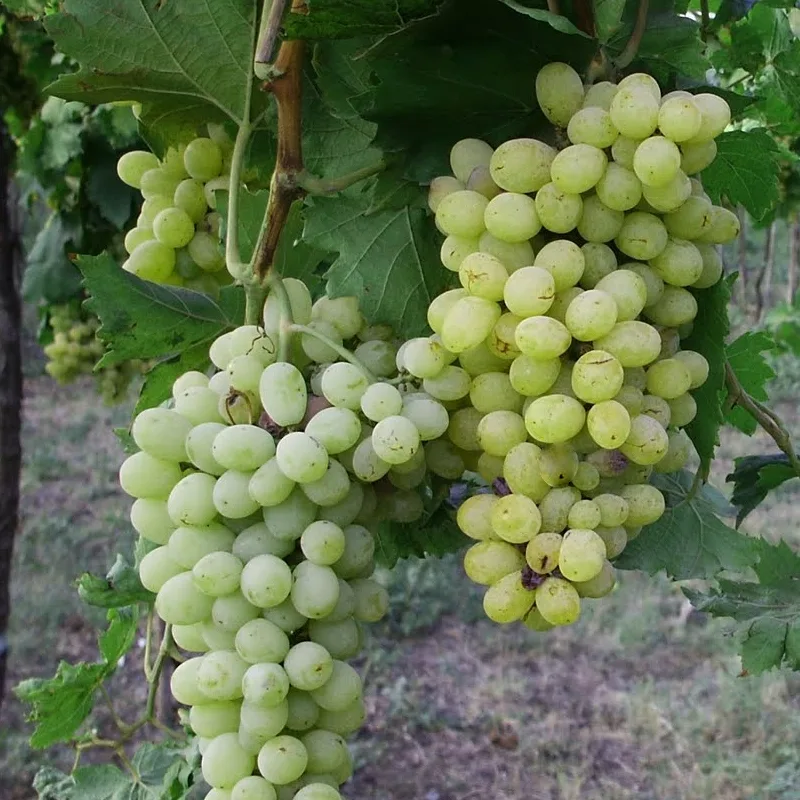
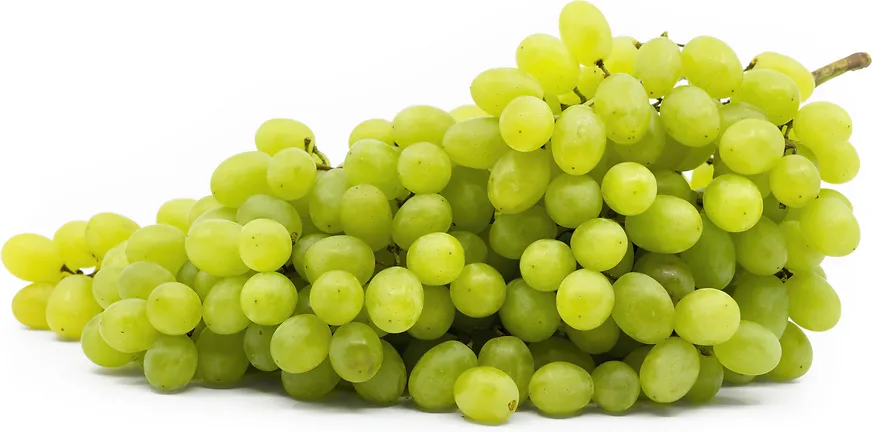
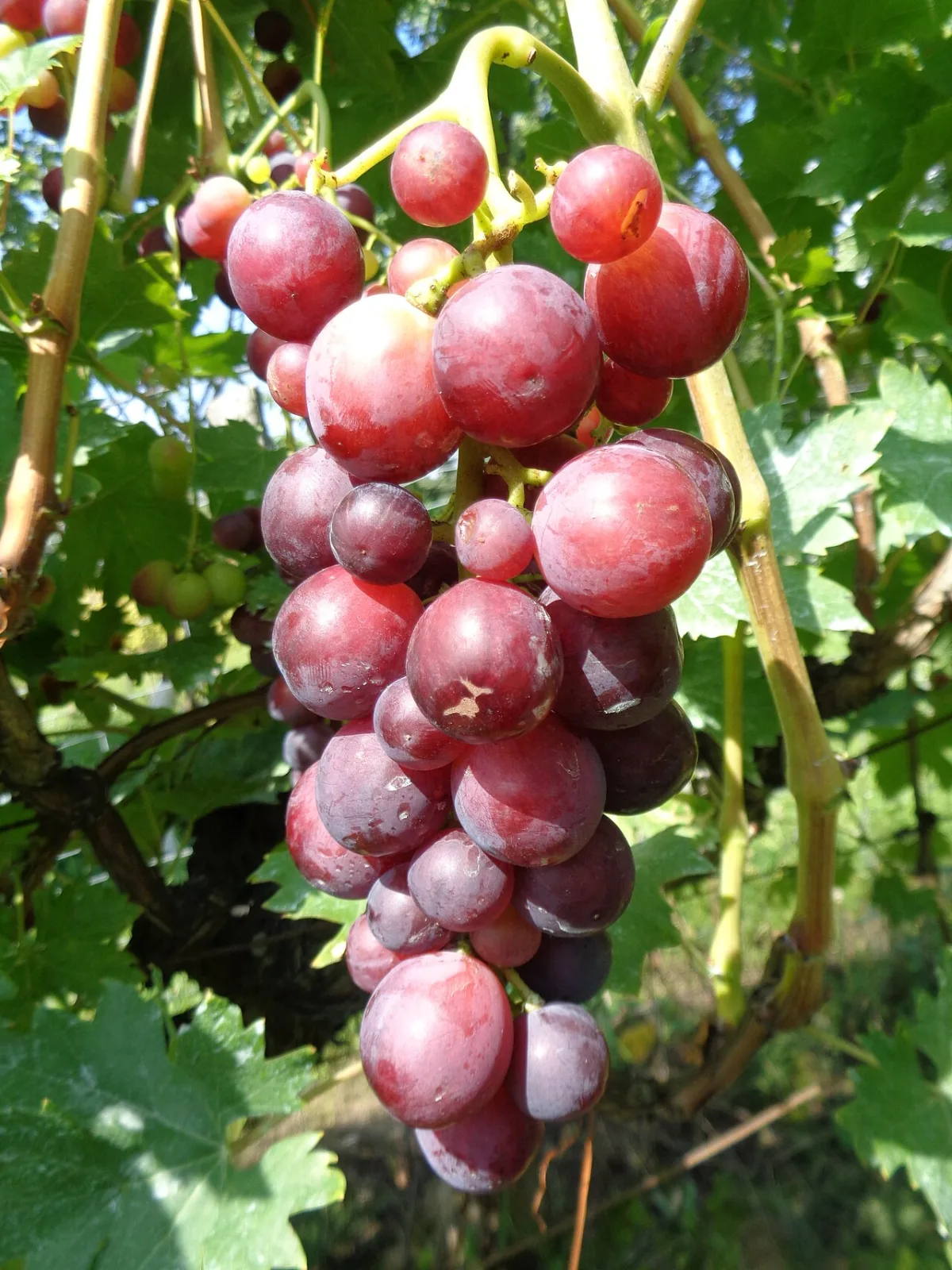
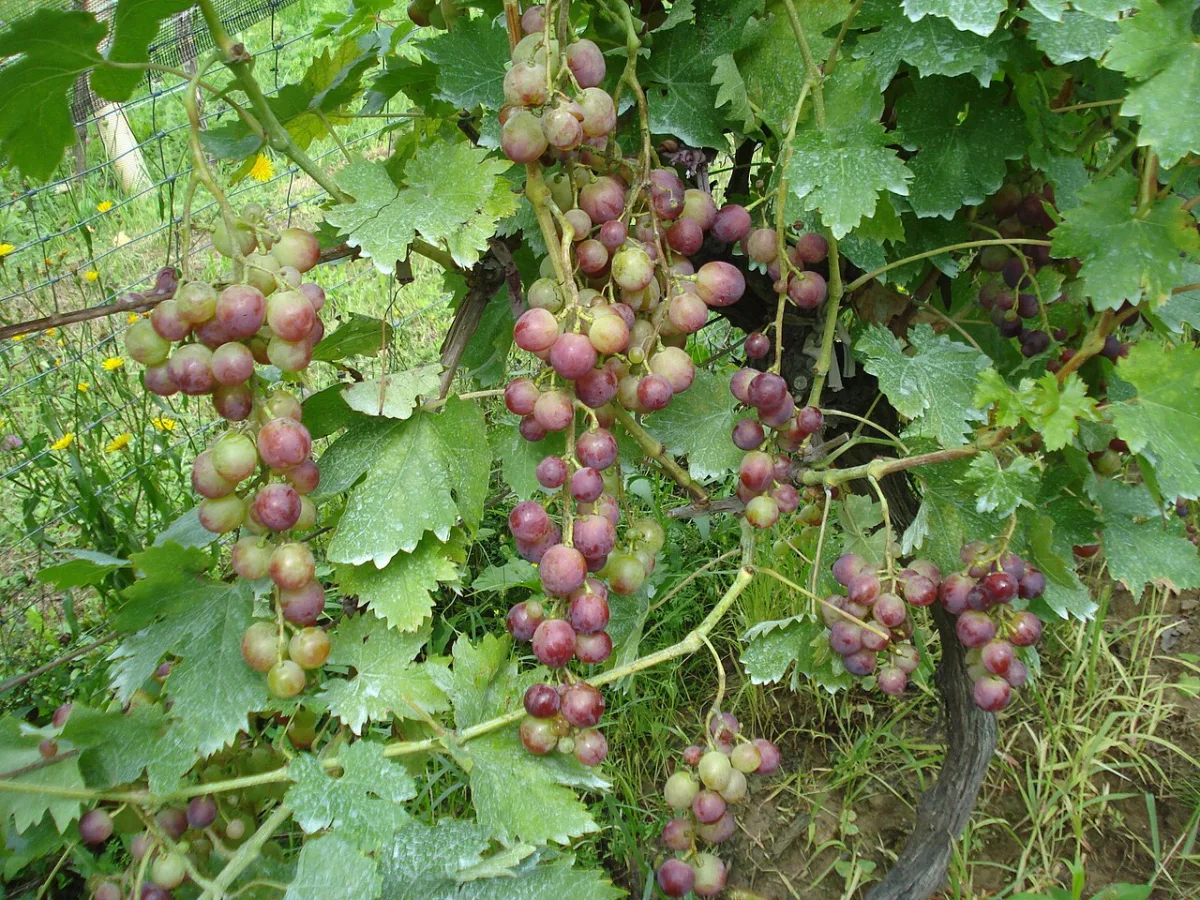
Kishmish (seedless) grape cultivars represent a special category in both commercial and amateur viticulture. Their key feature lies in the possibility of using them both for fresh consumption and for the production of dried fruits. Understanding the specifics of these cultivars is critically important for professional agronomists and land owners, as the correct choice of planting material and adherence to drying technologies directly determine the quality of the final product and its market competitiveness.
In this compilation, we have gathered materials covering the full cycle of working with this crop. Readers will find information on the technological requirements for cultivars intended for dried products and the specifics of organizing industrial sites for sun-drying grapes. Also presented are articles dedicated to the key characteristics of high-quality table cultivars and methods for extending product storage periods. To form a comprehensive understanding of the subject, the collection includes a retrospective review of the stages of viticulture development, allowing one to trace the evolution of the industry from the pre-revolutionary period to the large-scale achievements of the Soviet era.