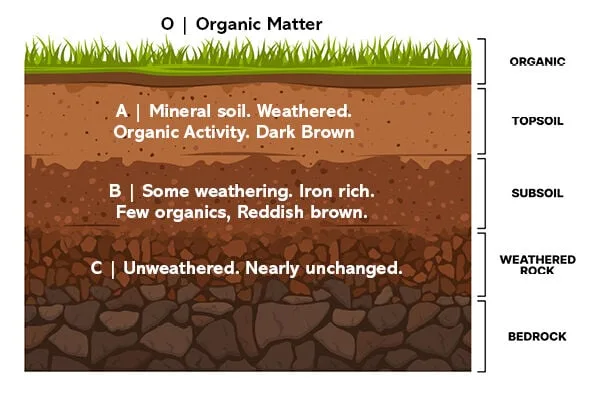
Compost is an essential tool in managing soil fertility and organizing efficient crop production. Properly prepared organic substrates not only provide plants with necessary nutrients but also form an optimal soil structure, improving its physical and biological characteristics. This selection covers both the theoretical foundations of using organic materials and the applied aspects of working with them: from selecting raw materials and microbial decomposition processes to the industrial production of specialized substrates for mushroom farming.
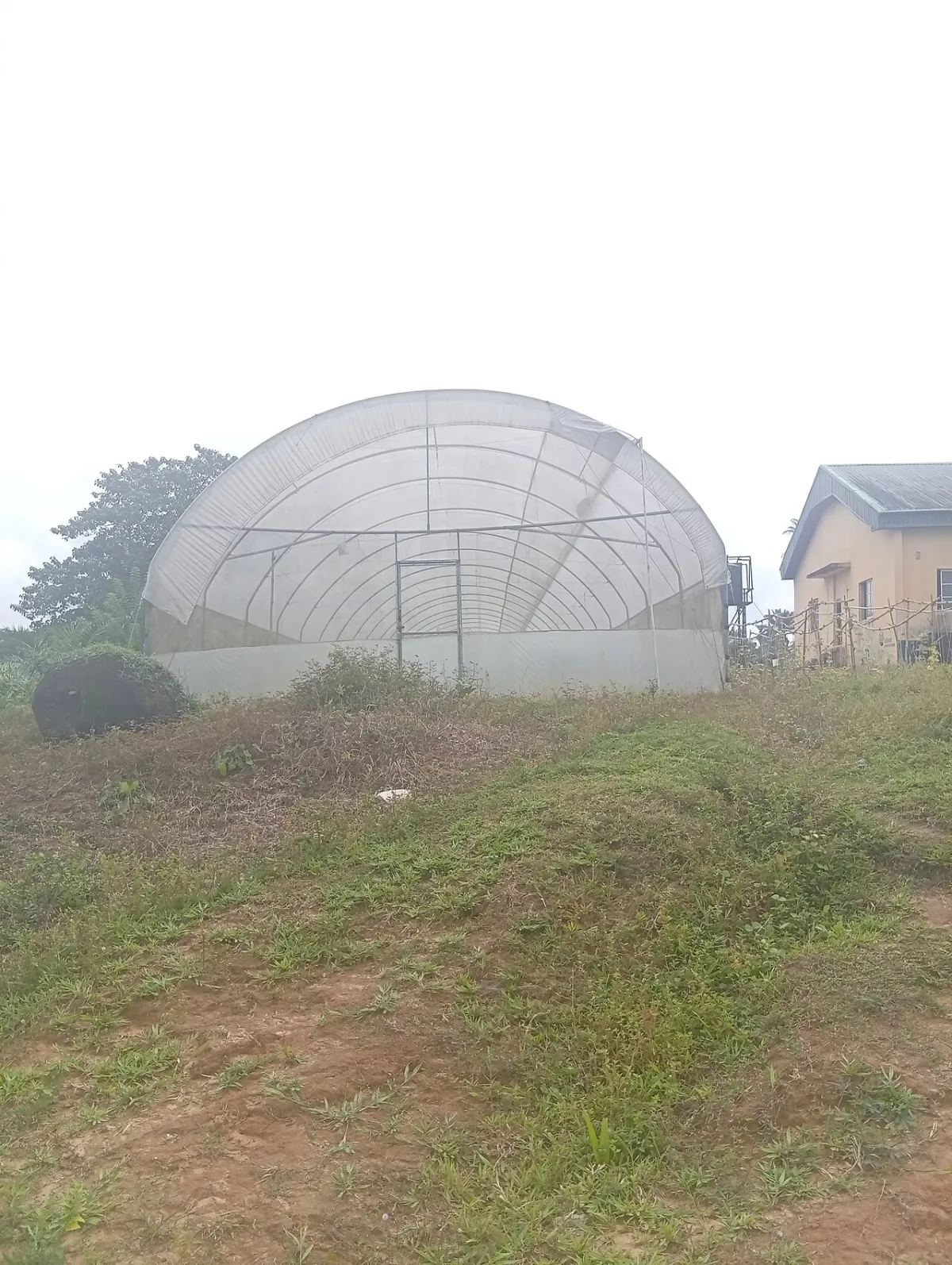
Readers will find detailed materials on the chemical composition and properties of various types of fertilizers, including peat and production waste. Special attention is paid to technologies for preparing composts intended for growing mushrooms, as well as methods for quality control of substrates. In addition, the selection covers issues of plant protection against diseases and pests in greenhouse conditions, the relationship between the activity of saprophages and soil formation processes, and modern agrochemical analysis techniques that allow for the accurate calculation of organic application rates to increase yield in home gardens and specialized greenhouse operations.