
Aristolochia clematitis is a dangerous poisonous weed of gardens and vegetable plots.
1 min read
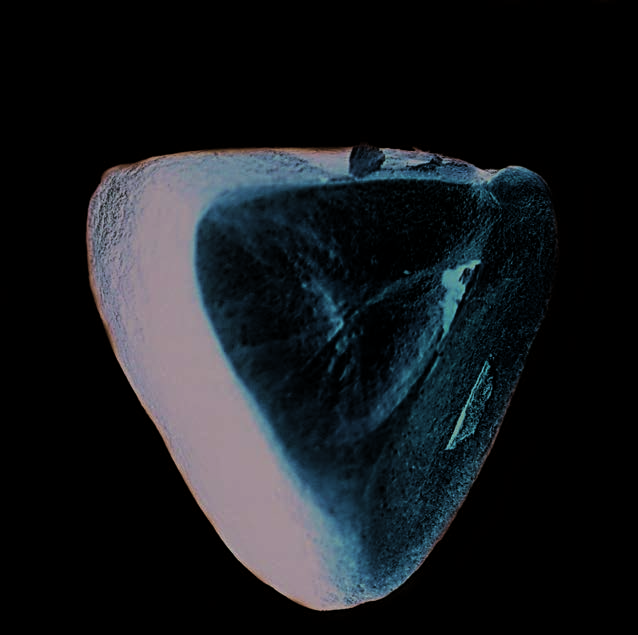
Dutchman's pipe (family Aristolochiaceae) is a dangerous weed that actively infests gardens and vegetable patches, reducing the quality of harvested plant products. Its capsule fruits and seed easily contaminate the harvested yield, reducing its value. This weed can be found in the European part of the country — primarily in the chernozem belt of the central and southern regions, as well as in the Caucasus.
The plant is entirely poisonous. It contains the alkaloid aristolochic acid, which is extremely dangerous to health: the substance affects the circulatory system and causes a sharp drop in blood pressure.
How to identify the weed by fruits and seed
The fruits of the Dutchman's pipe are characteristic pear-shaped capsules. To detect contamination of crop batches in time, it is important to know the morphological features of its planting material. The weed seed have a flat triangular shape and are easily distinguishable during visual inspection.
- Shape: triangular-flat, lateral sides straight, broad sides flat.
- Seed hilum: rounded, located in a depression.
- Surface: matte, with a pronounced spongy-rough texture.
- Color: varies from light brown to brown, with a lighter shade near the seed hilum.
- Seed length — 410 mm
- Seed width — 48 mm
- Seed thickness — 1,52,5 mm
Read next
Seeds and varieties For agronomists
Morphological characteristics and toxic properties of European wild ginger seed
Seeds and varieties For agronomists
Morphological characteristics and distribution range of Saponaria officinalis
Seeds and varieties For agronomists