
Water supply hygiene and infection prevention in greenhouse management
4 min read
Some pathogens inhabit water, although tap water is rarely contaminated with them. Water reservoirs filled from the water supply system must be tightly covered to prevent
The ingress of dust and plant debris, as well as its blooming, since tiny algae begin to multiply rapidly in excess light. Pond water must be chlorinated before storage. The shorter the water storage period, the greater the survival chance for pathogens. Water flowing off greenhouse roofs and collected in settling tanks is usually free of pathogens, provided that the phytosanitary condition of the area is maintained properly. In agricultural regions, the possibility of water contamination with herbicides should also be considered. Settling tanks must be located in areas protected from the drift of pesticides during the spraying of neighboring fields. However, chemicals sometimes land on the covers of greenhouses and are then washed by rain into the settling tanks.
Water from ponds, where infected plant debris is often dumped, can serve as a source of cucumber mosaic and green mottle mosaic viruses. Therefore, it is necessary to ensure that plant debris dumps are kept away from water protection zones.
Dumps
The disposal of plant debris after harvesting the next crop presents a real problem. Within the greenhouse farm, the dump must be spatially isolated and, if possible, located in the leeward direction. Plant debris should be covered with soil or temporarily covered with plastic. Regular spraying with a disinfectant solution yields good results. Green plant debris is difficult to burn; after burning, unburned or partially charred plant parts usually remain on the surface of the pile, and (what is worse) the wind sometimes blows them onto a neighboring crop or onto sterilized soil. With frequent worker visits to the dump, there is always a danger of carrying infection on footwear onto sterilized soil. To avoid this, a disinfectant mat for both footwear and cart wheels must be placed at the entrance from the dump. The same device should be at the greenhouse entrance; this provides a double guarantee against the introduction of infection. Almost any disinfectant that retains effectiveness for some time is suitable for soaking the mats.
Pots, boxes, and other plant containers
If a container is contaminated with plant debris, a disease outbreak can occur as soon as it is put to use. Cleaning containers begins with washing in water with a wetting agent to completely remove soil residues. Sometimes boxes and pots are immersed in a disinfectant solution, but complete pathogen eradication occurs only if this procedure is prolonged. A 2—5% formalin solution is most suitable for this. Pots or boxes are immersed in the solution for approximately an hour, then wrapped in plastic film and left for a day. Since some time is required for the vapors to completely disappear, the treatment should be carried out a few weeks before the containers are used.
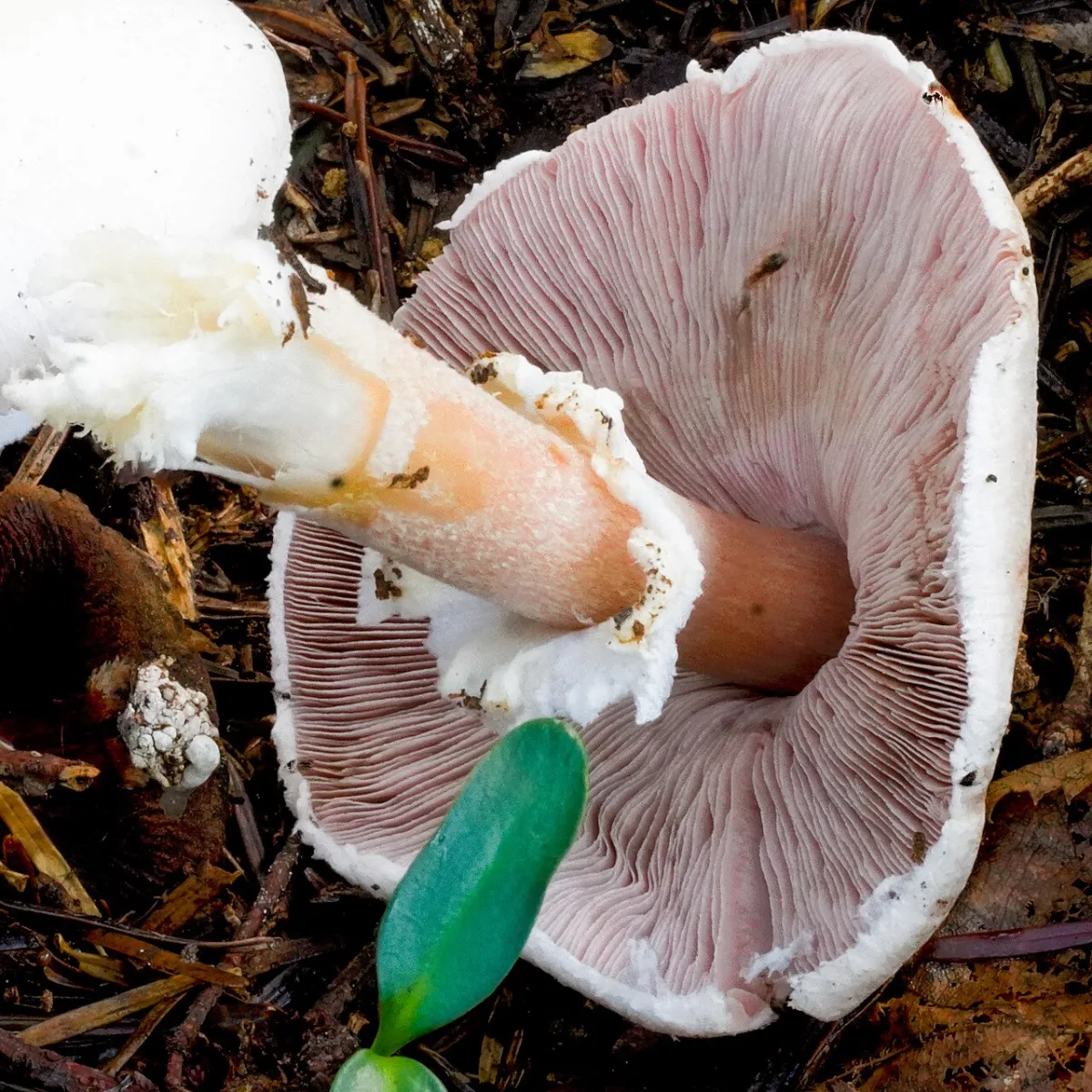
In mushroom houses, sodium pentachlorophenolate is used, in the solution of which boxes are immersed. If two sets of boxes are available, one is used while the second is left to dry and allow the disinfectant vapors to dissipate. The advantage of this method is that mushroom mycelium does not penetrate the treated wood, and at the end of the season, the compost can simply be shaken out of the box. In addition, the chemical protects the wood from rotting.
Boxes and pots can also be treated with methyl bromide or steamed (some polyethylene films can withstand steaming). For this, they are placed in a container with a mesh bottom, covered with a tarp or plastic, and steam is introduced for 30—60 minutes depending on the size of the container. After cooling, the boxes and pots can be used.
Treatment with methyl bromide is no less effective, but it requires special skills and must be carried out by a specialist.
In mushroom houses, steaming is successfully applied after harvesting the next crop to destroy disease pathogens and pests in the compost, clean the outer and inner surfaces of boxes, and surface-sterilize structures. This procedure, known as steaming-off, is quite effective, but its regular implementation leads to the deterioration of boxes and covers. Therefore, steaming is often replaced by methyl bromide fumigation, which is carried out by a specialist at the end of the season.
Read next
Plant protection For agronomists
Methods and requirements for chemical disinfection of greenhouse soil
Plant protection For agronomists
Physiological disorders and deformations of mushroom fruit bodies
Plant protection For agronomists