
Technology for producing high-quality seed of large-fruited tomatoes at home
4 min read
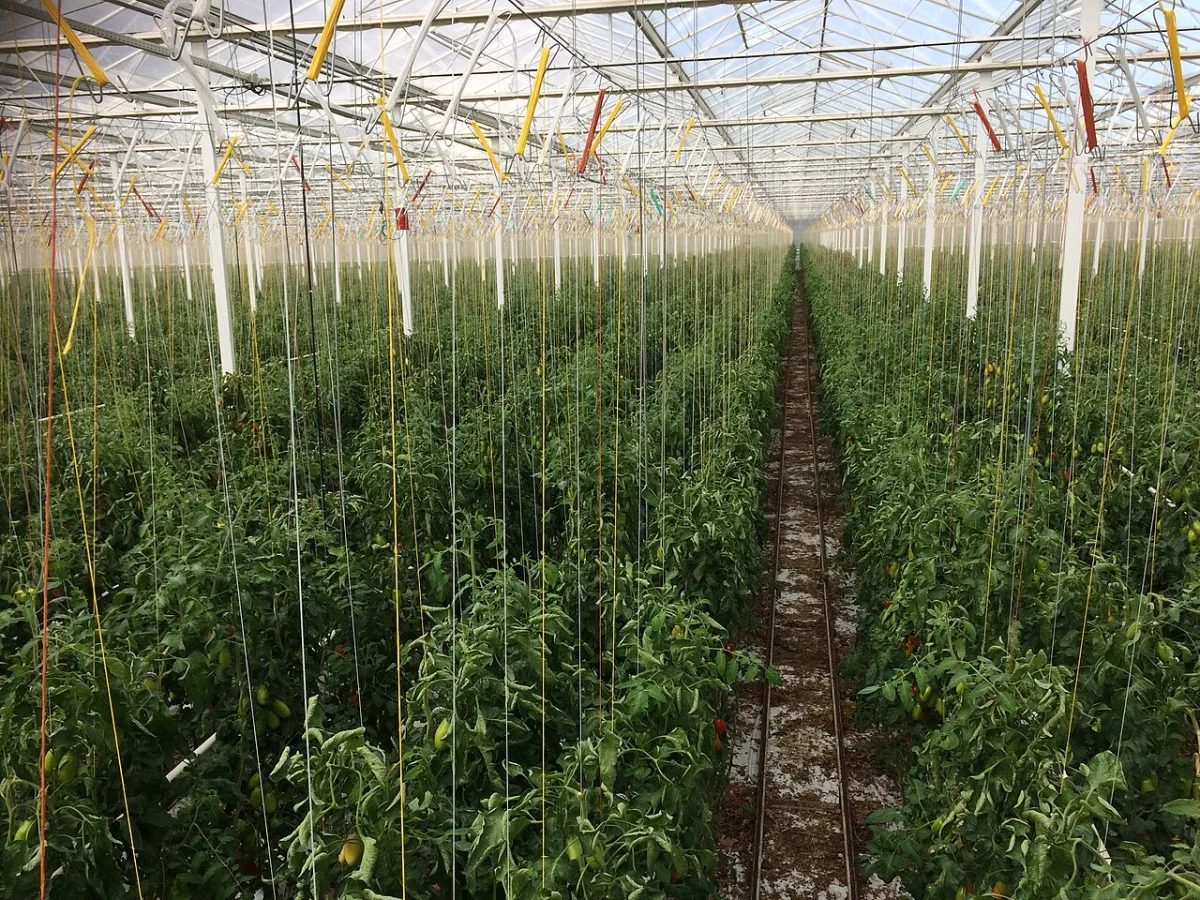
Maintaining your own tomato seed stock is done not to save money, but to guarantee high harvest quality and preserve flavor properties. Annual variety testing of 6–10 new cultivars or hybrids by planting only 2–3 plants of each does not provide a stable harvest of dessert fruits. The most practical approach is to combine the testing of novelties from commercial packets with the parallel maintenance of your own seed line of the winning cultivar, adapted to the specific greenhouse, soil, and agricultural practices used.
- Seed holding time before sowing — 2 years
- Maintenance of germination — 4–6 years
- Fruit weight for selection — 300–500 g
- Remaining fruit sets per cluster — 2–4 pcs.
| Technological parameter | Time interval |
|---|---|
| Seed holding time before sowing | 2 years (skip one growing season) |
| Period of germination maintenance | 4–6 years with home storage |
To obtain high-quality seed material, fruits ripened in August are brought to the required condition indoors. Usually, two or more of the most harmoniously developed tomatoes of one cultivar are taken for selection. The process of seed extraction consists of sequential steps:
- Keep the picked fruit indoors in a warm place until it is practically overripe (the skin may crack slightly).
- Cut the tomato crosswise and ensure there is no white inner layer.
- Taste the fruit to confirm its high flavor quality.
- Break up the pulp and wash the mash in a container of water — viable seeds will sink to the bottom.
- Drain excess liquid with floating pulp remnants, and dry the seed material on paper.
Thinning of fruit sets and selection rules for large-fruited cultivars
For further improvement of performance, it is advisable to immediately choose large-fruited cultivars for which a fruit weight of 300–500 g is stated in the description. A large tomato with a dessert flavor surpasses small-fruited hybrids like "cherry," in which a significant proportion of the volume consists of tough skin. With selected large-fruited cultivars, constant work is carried out to preserve and increase fruit weight.
The main agrotechnical practice for large fruit size is the thinning of fruit sets. As the cluster forms, only the first, largest fruit sets are left on it in the amount of 2–4 pieces, while all small fruit sets and marginal flowers are removed. This operation redistributes the plant's plastic substances in favor of the remaining fruits and allows them to double in size on average.
The most valuable for the household are those cultivars that have empirically confirmed ideal adaptation ("zoning") to the microclimate of your greenhouse, soil type, and chosen cultivation style.
Do not judge the potential of a cultivar by the yield on the label or by photographs of the fruits. Such demonstration materials are often filmed in regions with a more favorable climate (Ukraine, Italy) than the conditions of the Central region.
Read next
Greenhouses and covers For gardeners
Proper irrigation system for greenhouse crops for a stable harvest
Soil and tillage For students
Influence of soil structure and composition on capillary moisture transfer
Soil and tillage For students