
Selection of cultivars and cultivation techniques for melons and watermelons in a greenhouse
4 min read
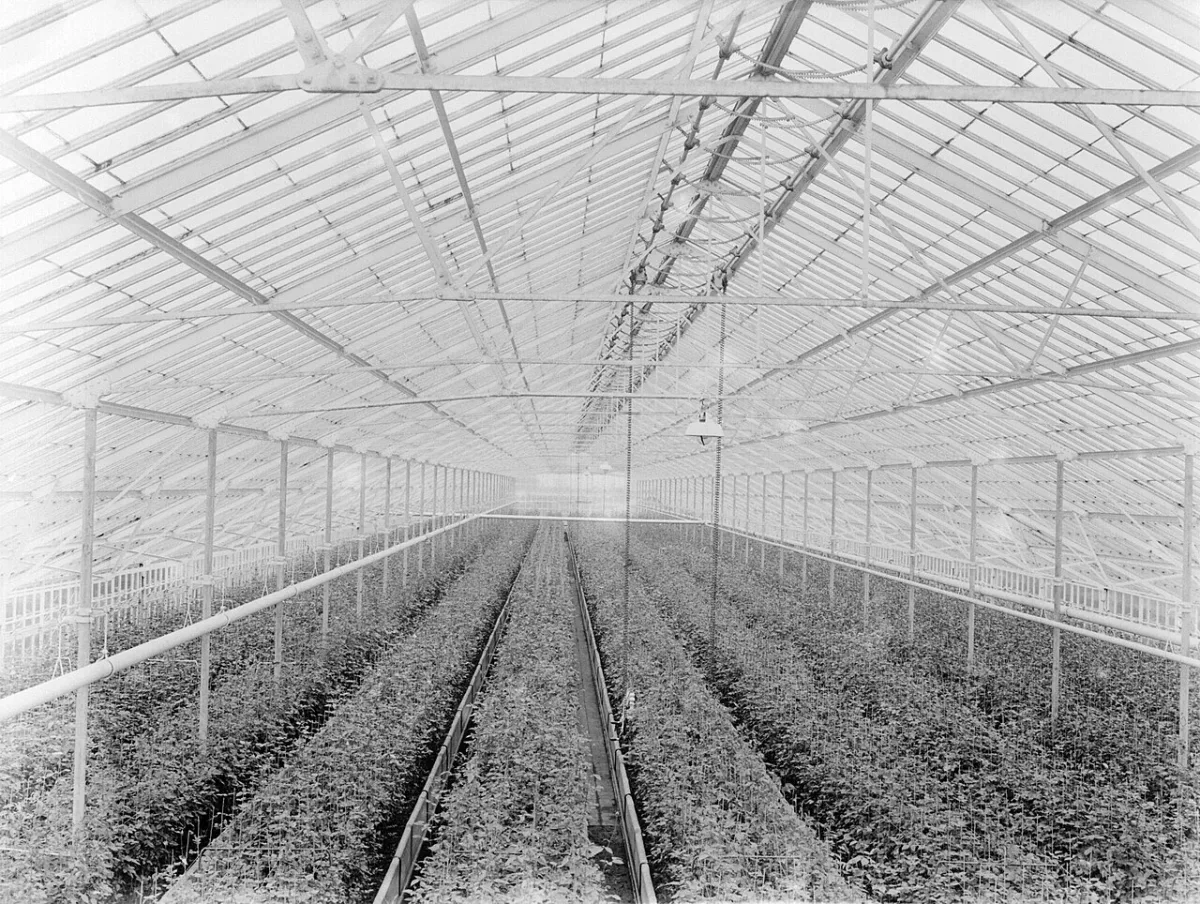
When selecting sweet pepper and eggplant seed, it is easier to navigate the assortment: usually, only 3–4 items of each crop are available for sale. For a guaranteed result, it is recommended to purchase a couple of early-ripening and a couple of mid-season cultivars or hybrids. In fried or stewed form, the taste differences of these vegetables are practically unnoticeable, so reliability becomes the main selection criterion.
Pepper and eggplant seed lose germination capacity much more often than tomato seed. Planting four different cultivars or hybrids at once hedges against the risk of getting empty seedling trays due to a poor-quality batch of seed.
Choosing cultivars and pollinating cucurbit crops in a greenhouse
For greenhouses in the Central region, about three dozen early-ripening and cold-resistant cultivars and hybrids of watermelons and melons from leading agricultural firms are suitable. Practice shows that it is best to use mid-season varieties, although early ones also provide a stable harvest. At the same time, it is necessary to plant cucurbit crops in groups of two or more cultivars.
Watermelon and melon are bee-pollinated plants that set fruit much more actively with cross-pollination by another cultivar. Because of this, collecting one's own seed makes no sense: the result will be an unpredictable hybrid with mediocre taste. An exception can be made only if a cultivar with outstanding yield grew in the greenhouse alone.
| Crop | Seed germination shelf life, years |
|---|---|
| Melon | 3–5 |
| Watermelon | 10 |
In protected ground conditions, growing a melon is significantly easier than a watermelon. Melons forgive mistakes during pruning and vine training, and their fruits are always tastier than those purchased in stores — to achieve this, one only needs to wait for them to turn completely yellow. Watermelons are more capricious in care, harder to ripen to full maturity, and rarely surpass imported southern produce in quality.
For the climate of the Central region, thermophilic crops (tomatoes, eggplants, peppers, cucumbers, melons, and watermelons) are divided into groups for open and protected ground. In open ground, it is permitted to plant only strictly specialized outdoor cultivars. In a greenhouse, however, one can successfully combine both groups.
Using outdoor cultivars in a greenhouse is an excellent technique for beginners or in cases of forced late planting in June. Outdoor cultivars are genetically hardy, cold-resistant, and programmed for rapid development. In the comfortable conditions of protected ground, they immediately grow and start fruiting early, compensating for lower yield with high reliability.
A green spot near the stem of ripening tomatoes is not a sign of disease, but a genetic feature of certain cultivars. For the spot to disappear and the fruit to color completely, it simply needs to be kept on the bush longer.
Read next
Greenhouses and covers For gardeners
Advantages of expanding the greenhouse complex on a country plot
Greenhouses and covers For gardeners
Yield estimation for vegetable crops in greenhouse production
Greenhouses and covers For gardeners