
The impact of human activity on the acceleration of species extinction
10 min read
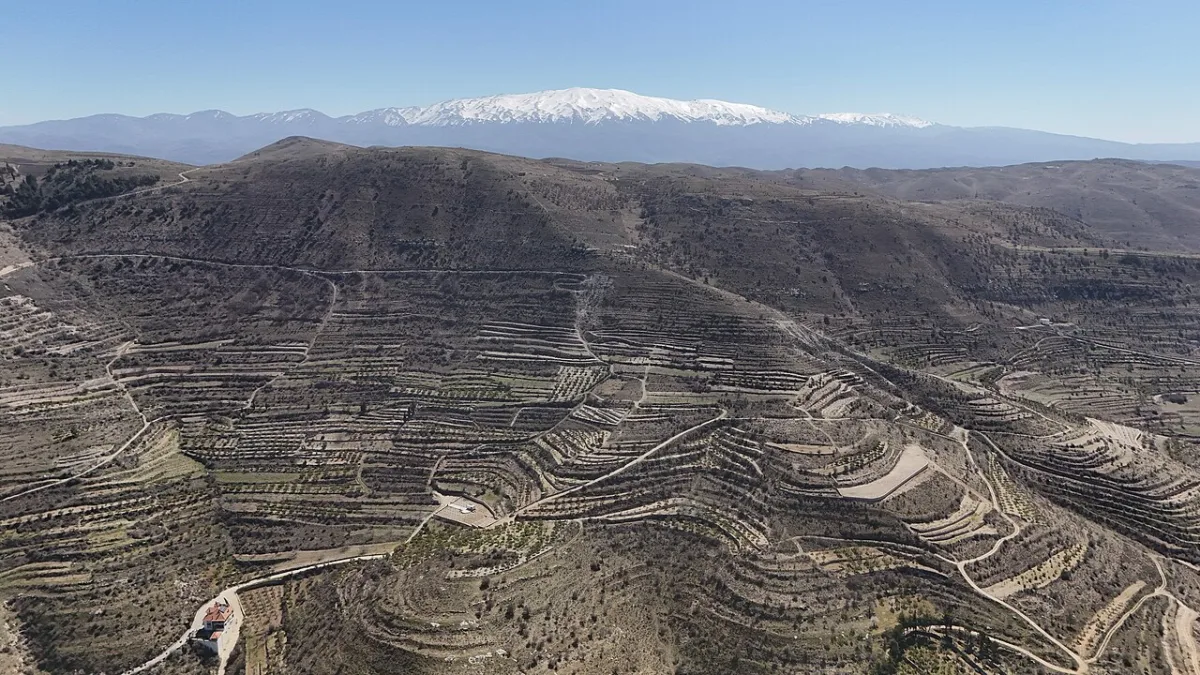
We discussed the state of cultivated lands quite thoroughly in the previous chapter, so we will now focus on the resources of the flora and fauna.
Currently, approximately 1.5 million species of plants and animals have been identified, two-thirds of which are insects. Scientists believe that this figure reflects only a fraction of the immense species richness that exists on Earth; it is possible that the number of species reaches 5–30 million.
Analysis of fossil remains has shown that a species lives on average for less than 10 million years and that of all the species that have ever existed on Earth, 99% have gone extinct or evolved into new species. Mass extinction in the distant past occurred as a result of natural causes. Since humans appeared in the biosphere, and especially with the advent of agriculture about 10,000 years ago, the rate of species extinction has increased a millionfold due to anthropogenic activity (as of 1980), and it is assumed that this trend will continue in the coming decades.
According to rough estimates, between 8000 B.C. and 1975 A.D., the average rate of extinction for mammal and bird species increased by 1,000 times. If we include the extinction rate of plant and insect species, their extinction rate in 1975 reached up to several hundred species per year. Since then, the rate of extinction has increased. In 1985, the extinction rate increased 10-fold—to several thousand species per year.
Between 1975 and 2000, at least 500,000, and possibly 1 million, species disappeared as a result of human activity. By 2000, an average of up to 20,000 species per year were disappearing due to anthropogenic activity, i.e., 1 species every 30 minutes—a 200-fold increase in the extinction rate in just 25 years.
In the literature known to us, data on the disappearance of animals is mainly present. However, the disappearance of plants is more important from an ecological point of view, since most animal species depend directly or indirectly on plant food. It is estimated that more than 10% of the world's plant species are currently threatened with extinction. By 2000, 16% to 25% of all plant species had disappeared.
It should be noted that the current surge in extinction caused by anthropogenic activity is occurring over just a few decades compared to millions of years in the past. Such extinction cannot be compensated for by speciation, as it takes from 2,000 to 100,000 generations to develop a new species.
Species threatened with extinction are classified as endangered or threatened.
An endangered species has so few surviving individuals left that the species may soon disappear completely or from most of its habitat. Examples include:
- white rhinos in Africa (100 individuals left);
- California condor in the USA (none left in the wild);
- giant panda in Central China (1,000 individuals left);
- snow leopard in Central Asia (2,500 individuals left).
Species threatened with extinction are sufficiently numerous within their habitat, but their numbers are decreasing and they face the danger of extinction. These include, for example, the African elephant, bald eagle, and grizzly bear.
Many wild species are not in danger of extinction, but their population numbers are declining sharply at the local or regional level. For instance, in Russia, from 1988 to 1991, the population of walruses and northern fur seals halved, and the population of Steller sea lions decreased by 5 times.
| Animal species | Population decline |
| Mountain hare | 2 times |
| Beaver | 5 times |
| Reindeer | 3 times |
| Moose | by 34% |
According to data in the Tomsk region, ungulates recorded their minimum population in 1995 for the last 10 years. A similar negative trend is characteristic of the sable, the population of which in the region decreased from 31 to 19 thousand individuals over 5 years.
The main human-related factors that can place species under threat, danger, or extinction are:
- Destruction or disturbance of habitats. The construction of cities, deforestation, draining of swamps, ploughing of meadows, and development of mineral deposits pose a threat to wild species by disrupting migration routes, breeding areas, and food sources. Thus, in the Tomsk region in 1994–1995, with an overall 34% decline in the moose population, a 60% decrease was observed in areas with active oil fields. At the same time, long-standing wintering grounds for moose disappeared in the Privasyuganye area and along the entire western border of the region; reindeer populations almost completely disappeared on the left bank of the Ob.
- Many rare and threatened species have vulnerable special habitats, for example, small islands. About 75% of mammal and bird species that have disappeared in the recent past were island dwellers. The reduction of natural habitats as a result of anthropogenic activity makes it impossible to sustain the minimum number of individuals required to maintain a population. The reduction of habitats can lead to inbreeding, which causes genetic degradation of offspring, leading to extinction.
- Commercial hunting. Widespread legal and illegal commercial hunting across the globe poses a threat to many species of large animals. Jaguars, tigers, snow leopards, and cheetahs are hunted for their fur. Rhinos are hunted for their horns, and elephants for their tusks. Commercial hunting played a major role in the near-total extinction of the American bison and the snowy egret.
- Complete or near-complete extinction can also occur when humans eradicate those species of pests and predators that compete with humans for food.
- Every year, a large number of endangered or threatened plants and animals are smuggled into other countries for sale to collectors and for medical research. Animals and plants often die during capture and transportation: for example, for every chimpanzee that reaches a laboratory, six die during capture and transport.
- Environmental pollution causes degradation of animal habitats, including in nature reserves, and kills certain plants and animals. The world's wild animal population could decrease in just a few decades due to climate change caused by the greenhouse effect. Wild animals in subpolar and polar regions may also be harmed as a result of a significant increase in ultraviolet radiation caused by the depletion of the ozone layer.
Accidental or intentional introduction of plants and livestock animals into ecosystems. Some alien species lack natural enemies and competitors in their new habitats. They can dominate new ecosystems, reducing the populations of many native species, and over time can contribute to the complete or near-complete extinction or displacement of native species.
Population growth, wealth, and poverty are among the causes of species extinction and population decline: wealth is the primary factor influencing the increase in average per capita resource consumption; population growth and poverty force the poor to clear-cut forests and trap endangered livestock animal species.
To protect endangered and threatened wild species and to prevent the danger that other wild species might face, three main strategies are used:
Adoption of agreements, laws, the creation of nature reserves and sanctuaries; the International Union for Conservation of Nature and Natural Resources (IUCN), the International Council for Bird Preservation, and the World Wildlife Fund have identified endangered and threatened species and are making efforts to protect them. For example, the IUCN has compiled a list of threatened and endangered species and published it in the Red Data Book. In 1978, the Red Data Book of the USSR was published, and in 1985, the Red Data Book of the RSFSR.
A number of international treaties and conventions contribute to the protection of wild animals. One international agreement, the Convention on the Conservation of Migratory Species of Wild Animals of 1979, is currently signed by 23 countries. One of the most large-scale agreements is the Convention on International Trade in Endangered Species of Wild Fauna and Flora of 1975, developed by the IUCN and monitored by the UN Environment Programme. By 1988, 96 countries had signed the Convention. The list of species whose live specimens or products are prohibited from trade currently contains 675 items. Trade in another 27,000 species is possible only under certain conditions and with special permits. This agreement has helped to reduce the scale of illegal trade in some endangered wild species, especially crocodiles, turtles, and some large species of the cat family, whose hides are valued for their fur.
Nature reserves and sanctuaries play an important role in preserving and increasing the number of fauna and flora. In the Russian Federation, there are about 80 nature reserves, including 16 biosphere reserves, with a total area of more than 20 million hectares, or about 1.2% of the country's territory. This, unfortunately, is less than in other regions of the world.
In a number of nature reserves, there are nurseries where the most valuable gene pool is preserved, and rare species of animals are kept, studied, and bred. For instance, the Oksky Nature Reserve houses nurseries for bison, cranes, and birds of prey.
Sanctuaries are natural complexes designed for the preservation, reproduction, and restoration of natural resources. In Russia, more than 1,500 sanctuaries have been created, of which 1,064 are zoological and 183 are botanical. In the Tomsk region, as of March 1996, there were 16 natural sanctuaries, including 13 zoological and 1 biological. Thus, the "Osetrovo-nelmovy" sanctuary of regional significance was organized for the purpose of restoring stocks of valuable fish species: sturgeon, inconnu (nelma), and sterlet in the Ob River basin.
Preserving the gene pool of wild relatives of crops is the foundation of breeding safety and obtaining new resistant cultivars. To protect valuable plant forms from extinction, botanists deposit their seed in special gene banks with a cooled environment and low humidity. However, artificial conservation has its limits: botanical gardens lack the funds and space to save all threatened plants, and zoos keep a limited number of fauna species.
- Minimum viable population — 100 individuals
- Species in zoos with such a population — 20
- Target share of land for reserves — 10 %
- Area of protected territories by 1988 — 4.4 million sq. km
A population of fewer than 100 individuals is in a zone of high vulnerability. Such a number is barely enough to prevent a species from dying out due to disease, random factors, or inbreeding.
Ecosystem approach to biodiversity conservation
The establishment of a global system of parks and reserves is recognized as the main instrument for preventing the loss of wild species. According to experts, protected territories should cover at least 10% of the entire land area. At the same time, the key goal is the protection and management of the entire ecosystem as a whole, rather than the separate species-based approach used previously.
Conserving intact ecosystems allows for more reliable protection of biodiversity from anthropogenic impact, and this approach is more economically efficient than the targeted rescue of endangered species. Furthermore, reserves serve as natural habitats for wild animals and represent a base for scientific research and educational programs.
By 1988, there were more than 3,600 major protected areas in the world with a total area of about 4.4 million square kilometers, which accounted for 3.2% of the land area.
Protected areas include the following categories:
- biosphere reserves and national parks;
- landscape reserves;
- nature parks and health resort zones;
- protected landscapes and individual natural sites.
Read next
Ecology For students
Sulfur and water cycle in the planet's global ecosystem

Soil and tillage For students
Influence of soil structure and composition on capillary moisture transfer
Soil and tillage For students