
The role and production indicators of oilseed crops in modern global agriculture
4 min read
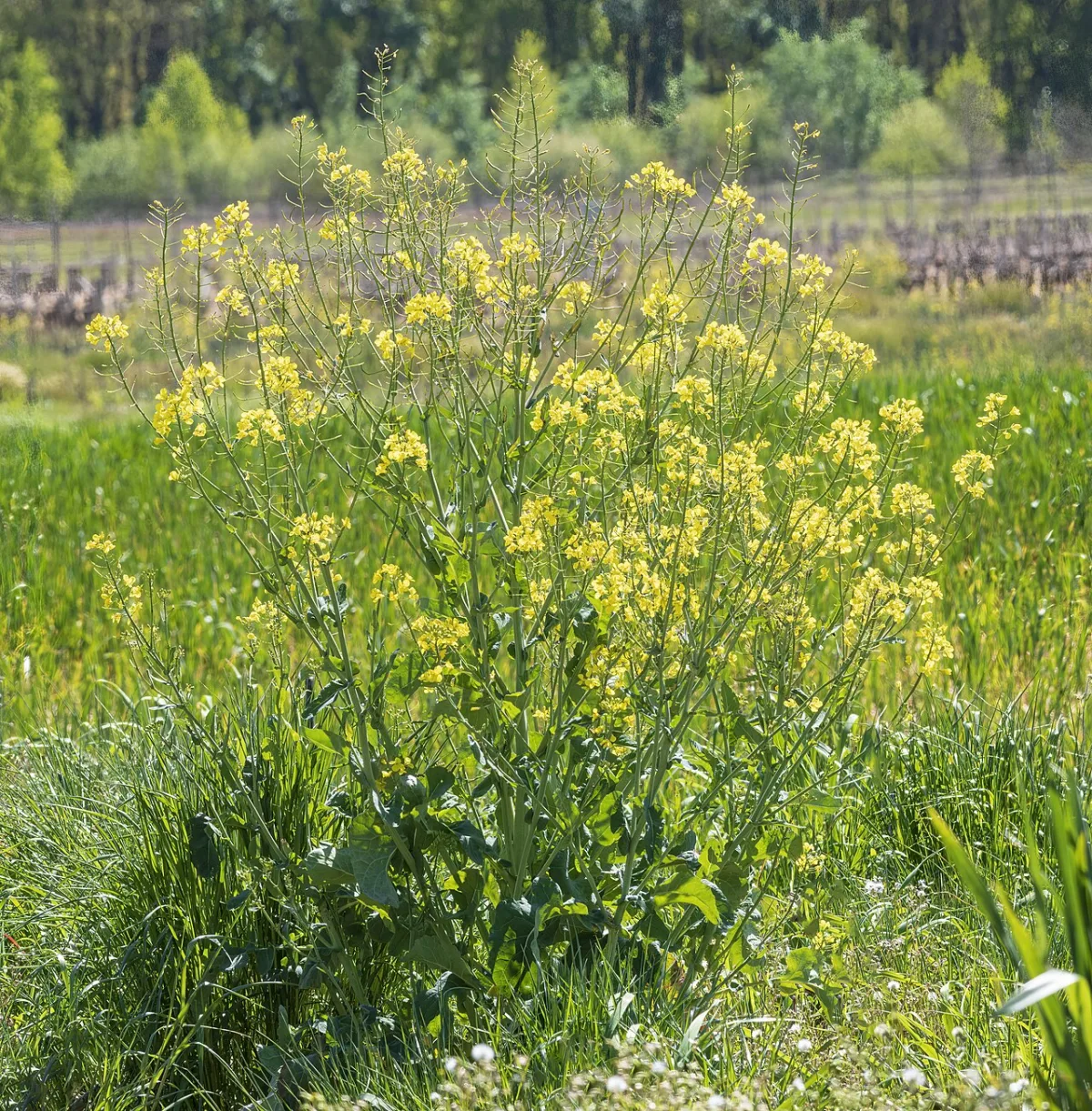
Oil crops are the foundation for the production of vegetable oils and a most valuable source of protein-rich feed. Their seeds and fruits accumulate from 20 to 60% fat, which is used both in the food industry (production of margarine, canned goods, bakery products) and in technical sectors (soap making, production of drying oil, varnishes, paints, perfumery, and medicine). Many of these plants are also excellent honey plants.
- Fat content in seeds — 20–60%
- World sowing area — more than 140 million ha
- Carbon content in fats — 75–79%
- Hydrogen content in fats — 11–13%
- Oxygen content in fats — 10–12%
In global agriculture, a vast space is allocated for these crops — over 140 million ha. The key cultivation regions remain the USA, Russia, Canada, India, Brazil, Argentina, China, Pakistan, and Ukraine. The main areas are distributed among several key crops.
| Crop | Sowing area, million ha |
|---|---|
| Soybean | 62,65 |
| Sunflower | 18,33 |
| Rapeseed and swede rape | 22,25 |
| Peanut | 21,78 |
| Flax | 7,5 |
| Sesame | 6,75 |
Production volumes depend directly on global demand for specific types of oils. In the food sector, soybean holds a leading position, while in the technical sector, flax serves as the main raw material.
Among edible vegetable oils, the world leaders by gross production are:
- soybean;
- sunflower;
- peanut;
- cottonseed;
- rapeseed;
- olive;
- sesame;
- corn;
- safflower.
Among technical oils, the world leaders by production volume are:
- linseed;
- castor;
- olive (obtained by secondary pressing).
By-products of seed processing — oilseed meal of sunflower, flax, hemp, and soybean — serve as concentrated feed with high protein content and fat. The proteins of these crops contain amino acids that are critical for livestock animals: lysine, tryptophan, cystine, and arginine.
Chemical composition of fats and technological properties of oils
Vegetable fats are esters of the trihydric alcohol glycerol and various fatty acids. Fats are less oxidized compared to proteins and carbohydrates, which gives them twice the caloric value. The final properties of the oil depend on the balance of saturated (palmitic, stearic) and unsaturated (oleic, linoleic, linolenic) fatty acids. This balance is formed under the influence of the cultivar genetics, soil type, climatic characteristics of the region, and the applied cultivation technology.
The most important indicator for processors is the drying ability of the oil, which is determined by the iodine value (the number of grams of iodine that bind to 100 g of oil). The higher this number, the faster the oil forms a durable film. Based on this criterion, raw materials are divided into three technological groups:
- drying (iodine value over 130) — primarily technical oils (perilla, Lallemantia, linseed, camelina);
- semi-drying (iodine value 86—130) — mainly edible oils (sunflower, soybean, sesame, rapeseed, mustard, safflower);
- non-drying (iodine value less than 85) — edible peanut and technical castor oil.
Also critical for processing are the acid value (an indicator of free fatty acid content) and the saponification value (an indicator for soap making). Edible oils must be completely purified from pungent and toxic substances, while technical ones require a high content of unsaturated acids and minimal acidity.
Oil acidity depends directly on seed maturity, harvesting, and storage conditions. In unripe raw materials, as well as under high humidity in piles, the acid value increases sharply, which requires complex and expensive neutralization with alkali (potassium hydroxide).
Read next
Agrochemistry For students
The effect of mineral nutrition on fat accumulation in crops
Agrochemistry For students
Chemical structure and classification of fatty acids in plants
Crop production For students