
Influence of mineral nutrition on lipid accumulation in cereals and grain legumes
3 min read
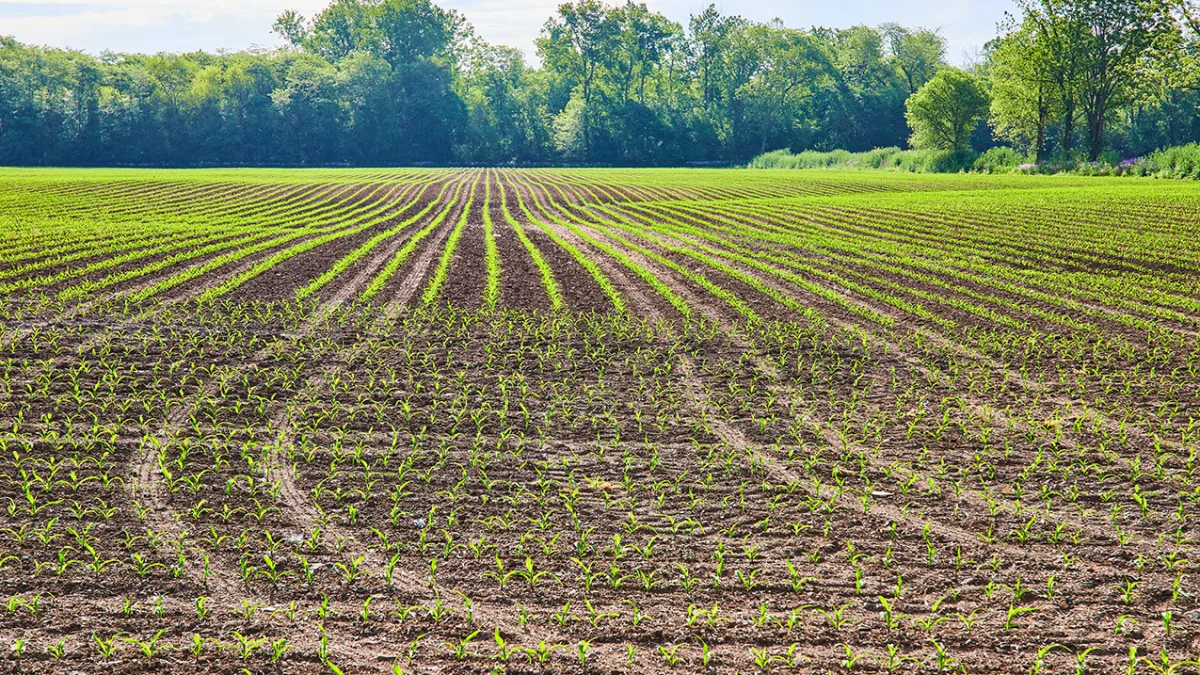
Lipid accumulation in grain directly determines its nutritional value and technological properties. Genetics set the potential, but the actual fat content in the harvest depends on growing conditions: light, temperature, moisture, and balanced mineral nutrition. By regulating fertilizer application rates, an agronomist can directly control the synthesis of these substances.
- Lipid content in soybean — 18–27%
- Lipid content in chickpea — 3–21%
- Lipids in oats, corn, millet, sorghum — 4–6%
- Lipids in most grain legumes — 2–3%
During the maturation of the caryopsis, structural lipids (glycolipids, sterols, phosphoglycerides) are formed first, followed by storage lipids. Storage forms include fats, free phosphatidic acids, phytin, phosphatidylcholines, and phosphatidylethanolamines. The majority of storage lipids are concentrated in the embryo and aleurone layer, whereas there are significantly fewer in the endosperm. A crucial part of these compounds is essential unsaturated fatty acids (e.g., linoleic acid), which are not synthesized in the human or livestock animal body.
To increase the yield of both structural and storage lipids in crops, the following are applied:
- nitrogen fertilizers;
- phosphorus fertilizers;
- potassium fertilizers;
- micronutrient fertilizers.
Fertilizer application must be strictly adapted to the biology of the crop, soil type, and climatic conditions. Unsystematic application of fertilizers will either be ineffective or lead to a decrease in the lipid content of the grain.
The accumulation of storage lipids improves the baking quality of the grain. Furthermore, the phytin contained in the caryopses is a valuable source of organic phosphorus.
| Crop | Structural lipids, % | Storage lipids, % |
|---|---|---|
| Wheat, rice, barley | 0.5–0.9 | 1.5–3.0 |
| Oats, corn, millet, sorghum | total | 4–6 |
Mineral nutrition and features of lipid accumulation in grain legumes
In grain legumes, lipids are mainly represented by fats and phosphoglycerides, which are localized primarily in the embryo. In the cotyledons, structural lipids are synthesized. Fats in most legumes (except soybean) are classified as non-drying or poorly drying oils due to a high content of saturated fatty acids with low iodine numbers.
Soybean has an important physiological feature: carbohydrates arriving from vegetative organs are not used for starch, but for the synthesis of acylglycerols. This allows the crop to accumulate a significant amount of lipids. Correct fertilizer application helps to significantly increase this indicator.
The greatest positive effect on the oil content of grain legumes is provided by:
- phosphorus fertilizers;
- potassium fertilizers;
- micronutrient fertilizers.
Nitrogen fertilizers applied to grain legumes stimulate protein accumulation but reduce the final concentration of lipids in the seeds.
| Crop | Lipid content, % |
|---|---|
| Lupine | 6–7 |
| Chickpea | 3–21 |
| Soybean | 18–27 |
Read next
Agrochemistry For students
Chemical structure and classification of fatty acids in plants
Agrochemistry For students
The biological role of lipids in the vital activity and stress resistance of crops

Agrochemistry For students