
Methods of protecting vineyards from weeds and pests
8 min read
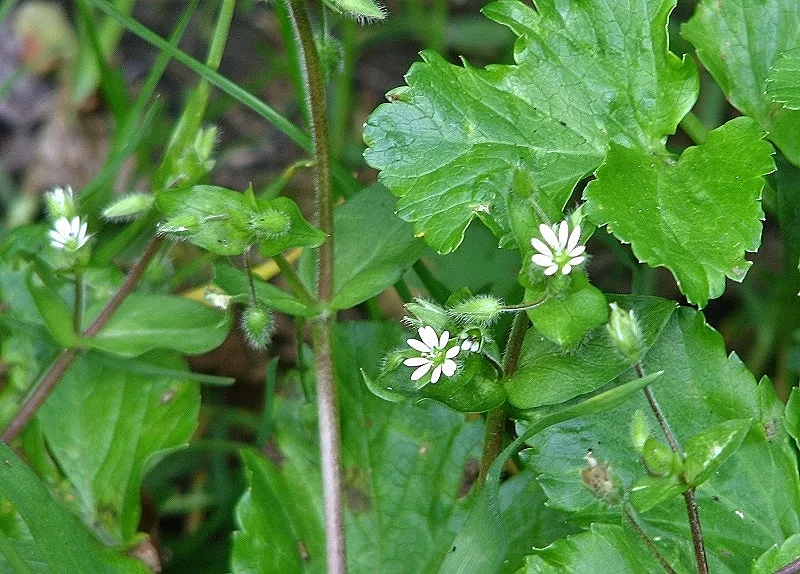
Weeds are dangerous competitors for grapes in the struggle for water, nutrients, and light. They create shade, interfere with the proper ventilation of the bushes, and provoke outbreaks of diseases and pests. Due to severe weed infestation, the winegrower loses not only the current year's harvest but also depletes the soil in the vineyard.
- NPK removal from the soil at medium weed infestation — 42 kg/ha
- NPK removal from the soil at high weed infestation — up to 186 kg/ha
- Johnsongrass population threshold in the row — 200–300 shoots per 1 m²
- Maximum grape yield with high Johnsongrass density — 2–3 t/ha
- Annual global fruit losses due to weeds — 19.4 billion dollars
- Annual global grape losses due to weeds — 3.15 billion dollars
Alternative control methods: mulch and film
To control weed vegetation, develop an individual plan for each site, taking into account the dominant weed species and soil-climatic conditions. Agrotechnical methods that reduce the need for chemicals provide good results. First and foremost, this is soil mulching with straw, as well as sodding between rows with grasses, which are periodically mowed and left in place.
On young and fruiting vineyards, the use of protective covers is promising. The soil in the rows is covered with dark polymer film, translucent film, or transparent film with a 3–5 cm layer of soil on top. At the same time, the inter-rows continue to be treated with soil herbicides, which ensures a maximum effect. This combination reliably suppresses weed growth throughout the season.
Regulations for the application of soil herbicides
For chemical weeding in vineyards, soil-acting herbicides are most often used — derivatives of symmetric triazine, urea, aliphatic carboxylic acids, and organophosphorus compounds. In covered vineyards, they are applied in early spring before the buds open. In uncovered plantations, treatment is carried out in autumn, winter, or early spring.
The effectiveness of soil herbicides directly depends on soil moisture. If the soil is dry, the active ingredients will not penetrate into the seed germination zone of the weeds, and the seedlings will not die.
Soil-applied products cope well with annual weeds and suppress the growth of perennials at the start of the growing season. Symmetric triazines are poorly soluble in water and firmly bind to the soil, concentrating in the upper 0–20 cm layer. Weeds absorb them through their roots, after which the substances block photosynthesis, amino acid, and water metabolism. This allows for the avoidance of 1–2 mechanical cultivations in the first half of the growing season.
Soil herbicides can accumulate in the soil above maximum residue limits (MRL). Systematic annual application of high doses causes chlorosis and small-leaf syndrome in grapes and reduces the sugar content of the berries. To avoid this, reduce the application rate by 20–30% in subsequent years, take a break for 3–4 years, or apply the products every other year.
Products of the urea derivative group (herbatox, diuron) also work through the root system. Along with the flow of moisture, they rise to the above-ground part of the weeds, where they suppress chlorophyll synthesis. As a result, protein complexes are destroyed, plants become dehydrated and die.
Below is a brief description of the main herbicides of the symmetric triazine group used in vineyards:
| Herbicide (product, active ingredient content) | Spectrum of action | Application rate of the product, kg/ha | Timing and features of application | Vine age |
|---|---|---|---|---|
| Atrazine, 50% w.p. | Annual broadleaf and grass weeds | 4–12 (spring) or 16 (autumn) | Spraying the soil in early spring before weed emergence or in autumn after harvesting. Low toxicity to warm-blooded animals. | Older than 3 years |
| Simazine, 80% w.p. | Annual broadleaf and grass weeds | 2.5–5 (spring) or 3.75–7.5 (autumn) | Spraying the soil in early spring before weed emergence or in autumn after ploughing. Low toxicity to warm-blooded animals. | Older than 3 years |
| Caragard 3587, 50% w.p. (terbumeton 25% + terbuthylazine 25%) | Annual and perennial grasses, some broadleaf weeds | 15–20 | Spraying the soil in early spring before weed emergence. Mandatory protection of crop plants is required during treatment. | Not younger than 3 years |
Selection of herbicides and their application regulations
Effective weed control in vineyards is based on the correct selection of active ingredients for a specific plant development phase and type of weed infestation. For pre-emergence treatment, products based on diuron are used. They are poorly soluble in water and bind firmly to soil colloids, creating a protective screen. They can be applied in early spring, autumn, or winter to form a herbicidal barrier before weed growth begins.
Against actively growing grass weeds, dalapon is used, which penetrates both through the leaves and the root system. It is important to carry out directional spraying, completely excluding the product from reaching the crop plants. In the fight against hard-to-eradicate perennials like Johnsongrass and Bermuda grass, glyphosate products are indispensable. They penetrate the vascular system of weeds through the leaves and block the synthesis of aromatic amino acids, completely destroying both the above-ground part and the roots.
| Preparation and active ingredient | Application rate | Spectrum of activity | Application method and timing |
|---|---|---|---|
| Herbatox, 50% W.P. (diuron) | 4.8–8 kg/ha | Annual grass and broadleaf weeds | Soil spraying in early spring before weed emergence |
| Diuron, 80% W.P. (diuron) | 3–5 kg/ha | Annual grass and broadleaf weeds | Soil spraying in early spring before weed emergence |
| Dalapon, 85% S.P. (dalapon) | 4.7–10 kg/ha | Annual and perennial grass weeds | Directed spraying of weeds during their growing season when they are 5–10 cm tall |
| Roundup, 36% W.S. / Utal, 36% W.S. (glyphosate) | 2–4 l/ha (against annuals), 10 l/ha (against perennials) | Growing annual and perennial grass and broadleaf weeds | Spraying of weeds with well-developed aerial mass in May — July |
| Fosulen, 50% W.P. (glyphosate) | 2.8–7.2 kg/ha | Growing annual and perennial grass and broadleaf weeds | Spraying of weeds with well-developed aerial mass in May — July |
Restrictions on the use of preparations: When used systematically, dalapon accumulates in the soil and penetrates the vine, causing shoot deformation (perform no more than 2 treatments per season). Apply glyphosates (Roundup, Utal, Fosulen) strictly in May — July; later treatments will cause morphological changes to the vine in the following year.
Technological rules for application and equipment adjustment
The choice of treatment scheme depends on the vineyard terrain, degree of weed infestation, and soil erosion risk. On level plots with relatively clean inter-row spaces, it is economically profitable to use band application of the preparation along the rows. This method protects the environment from excessive chemical load and significantly reduces herbicide costs.
The quality of treatment depends directly on weather conditions and correct equipment adjustment. Spraying should be carried out strictly during windless hours — in the morning or evening — to avoid drift onto the grapevine. The specific dosage of the preparation within the recommended range is selected individually, taking into account weed composition, soil type, and the climatic characteristics of the season.
- Choose a herbicide application scheme: broadcast or band along the rows with a working width of 50–80 cm.
- Secure the sprayer booms (ON-400 or OVT) at a distance of 30 cm from the soil surface.
- For treating growing weeds, install a protective shield over the boom so that the solution does not land on the vine leaves.
- Adjust the application rate of the working liquid at the station before heading out to the field.
- Carry out treatment during morning or evening hours in calm weather.
For the mechanization of chemical weeding, a special device UGPV-1 is used, developed by a specialized research institute in cooperation with a design bureau. The device is compatible with any type of sprayer equipped with a pressure pump. The device ensures stable treatment at a working speed of 4–5 km/h with a capacity of up to 10 ha per shift, which depends on the length of the run, terrain, and inter-row width.
- Depth of diuron localization in the soil — 0–10 cm
- Weed height for dalapon treatment — 5–10 cm
- Glyphosate spectrum of activity — more than 80 weed species
- Time for weed death after glyphosate treatment — on the 10th day
- Working liquid consumption (soil herbicides) — 400 l/ha
- Working liquid consumption (on growing weeds) — up to 600 l/ha
Safety measures during work: Always use specialized clothing, respirators, protective goggles, and gloves. When working with glyphosates, carefully protect mucous membranes from contact with working solutions.
Read next
Plant protection For agronomists
The efficacy of the herbicide Russel 100 in maize and wheat crops
Plant protection For agronomists
Control of grass weeds in industrial crop sowings with Galoshans herbicide
Plant protection For agronomists