
Castration and sterilization of livestock animals and pets
3 min read
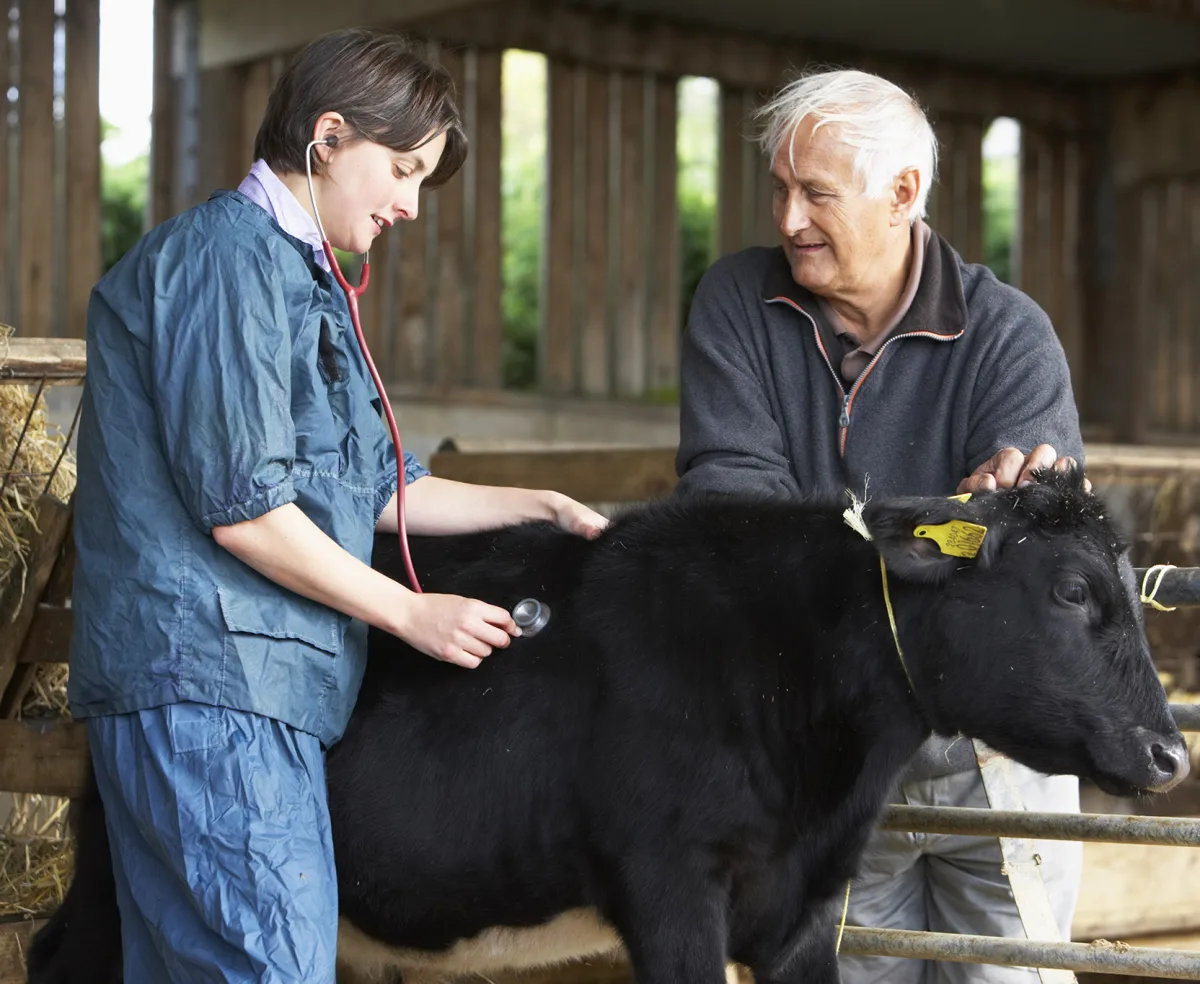
Castration is the artificial cessation of the function of the gonads in both males and females. Castration is performed for various purposes, the main ones being: improving the quality of meat in livestock animals; better utilization of working animals; and preventing the breeding of females by non-breeding sires. Bull calves intended for fattening are castrated at 2-3 (6) months, boars at 10-30 days, and ram lambs at one month of age. Stallions are usually castrated at 3-4 years of age, sometimes slightly earlier. The best time for this operation is spring or autumn, when it is not cold and there is no insect activity. Prior to the procedure, animals are kept on a fasting diet for 6-12 hours. Castration can be performed by casting the animal or by securing it by the hind limbs in a standing position (preferably in a crush).
The essence and procedure of the open method: after disinfecting the skin, all layers of the scrotum and the common vaginal tunic are incised with a scalpel, the testis is exteriorized, the vaginal ligament is cut, and it is separated along with the common vaginal tunic from the tissues of the spermatic cord. It is important not to damage the pampiniform plexus with the scalpel. The spermatic cord is ligated with a silk ligature or clamped with special emasculators. 1.5-2 cm below the ligature or the site where the clamp was applied, the cord is cut or twisted off together with the testis (after which the clamp is removed).
With the closed method, the common vaginal tunic is not incised.
After the manipulations are completed, the wound is treated with an antiseptic, and the skin is not sutured.
In the first hours after castration, the animals are provided with rest, leaving them on good, dust-free soft bedding, preferably made of uncut straw. They are given small amounts of hay and grass and provided with water.
It is necessary to clearly understand that the common and veterinary meanings of the terms "castration" and "sterilization" differ. Many believe that castration is the removal of testicles in male cats (dogs), and sterilization is the removal of ovaries in female cats (bitches), but this is not entirely correct.
Sterilization. During sterilization, the fallopian tubes are ligated in female cats, and the vas deferens is ligated in male cats (this operation in male cats is called a "vasectomy"). The sex organs themselves, which produce the corresponding hormones, remain and continue to function.
During sterilization, sexual desire is preserved (in both male and female cats), such individuals do not lose their sexual instincts, can mate, but cannot produce offspring (i.e., they become sterile).
Castration. Castration involves the removal of the organs responsible for reproduction:
- in a female cat, the ovaries are removed (ovariectomy) or the ovaries along with the uterus (ovariohysterectomy);
Specifics of castration and sterilization in small animals
Usually, only the ovaries are removed in healthy, young, non-parous female cats, but recently the tendency is to remove them together with the uterus, as pathological processes can develop in the uterus (for example, purulent inflammation of the uterus – pyometra).
Many veterinary specialists believe that castration is more humane for both male and female cats. Sterilized individuals, despite the absence of offspring, still experience "hormonal storms" within themselves due to the full functioning of the reproductive organs, are exposed to the risk of reproductive diseases, experience unnecessary stress, lose weight, and behave aggressively. A castrated animal has a higher quality of life and health.
Issues of veterinary practice and surgery
- What is sterilization, asepsis, and antisepsis?
- What are the types of wounds and the methods of their healing?
- Why are animals castrated? Describe the castration technique.
- How does castration differ from sterilization?
- Characterize the types of burns and frostbite?
- How does eczema differ from dermatitis?
Read next
Veterinary medicine For students
Fundamentals of veterinary surgery: classification of operations, instruments and methods of sterilization
Poultry For agronomists
Physiological foundations of egg production and methods of poultry sex regulation
Soil and tillage For students