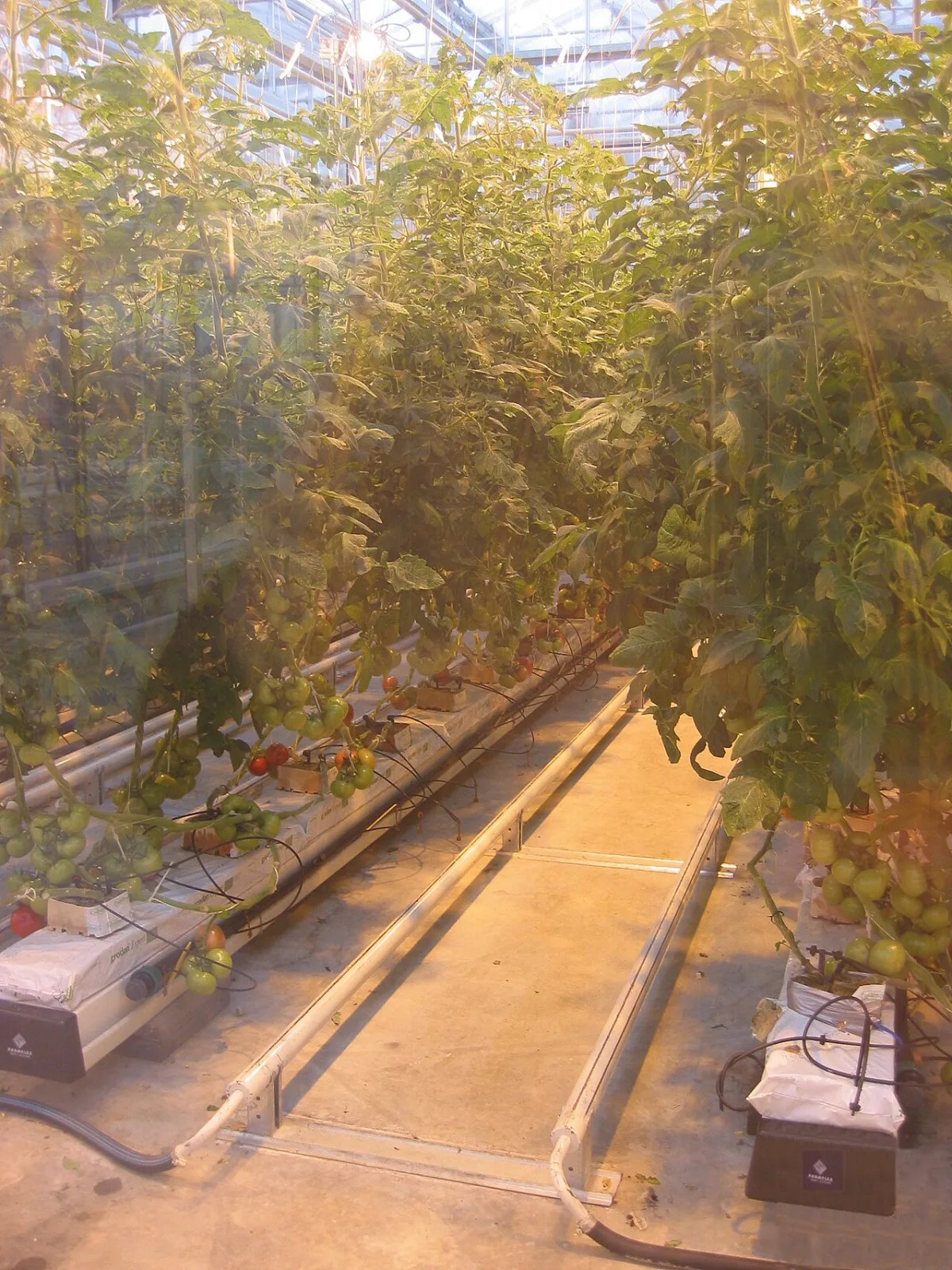
The tomato is one of the most significant crops, requiring deep knowledge in the fields of agrotechnics and phytopathology. For agronomists and amateur gardeners, the success of growing this plant is determined by the ability to control the microclimate in protected soil, properly form the plant, and provide balanced nutrition at all stages of the growing season. Understanding the biological characteristics of the crop, from selecting optimal sowing dates and preparing transplants to finishing care procedures in late summer, is a key condition for achieving a high harvest.
This collection brings together practical materials dedicated to the full cultivation cycle of tomatoes in greenhouses. You will find expert recommendations on organizing sowing and growing high-quality transplants, as well as instructions for diagnosing plant health based on external signs. Special attention is paid to plant protection: the articles provide a detailed analysis of methods for combating common fungal, bacterial, and viral diseases, such as streak, didymella stem rot, and pith necrosis. The presented information will help to optimize agrotechnical processes, prevent the development of pathogens, and increase the overall productivity of the greenhouse operation.