
Technological processes and automation of modern industrial poultry farming
6 min read
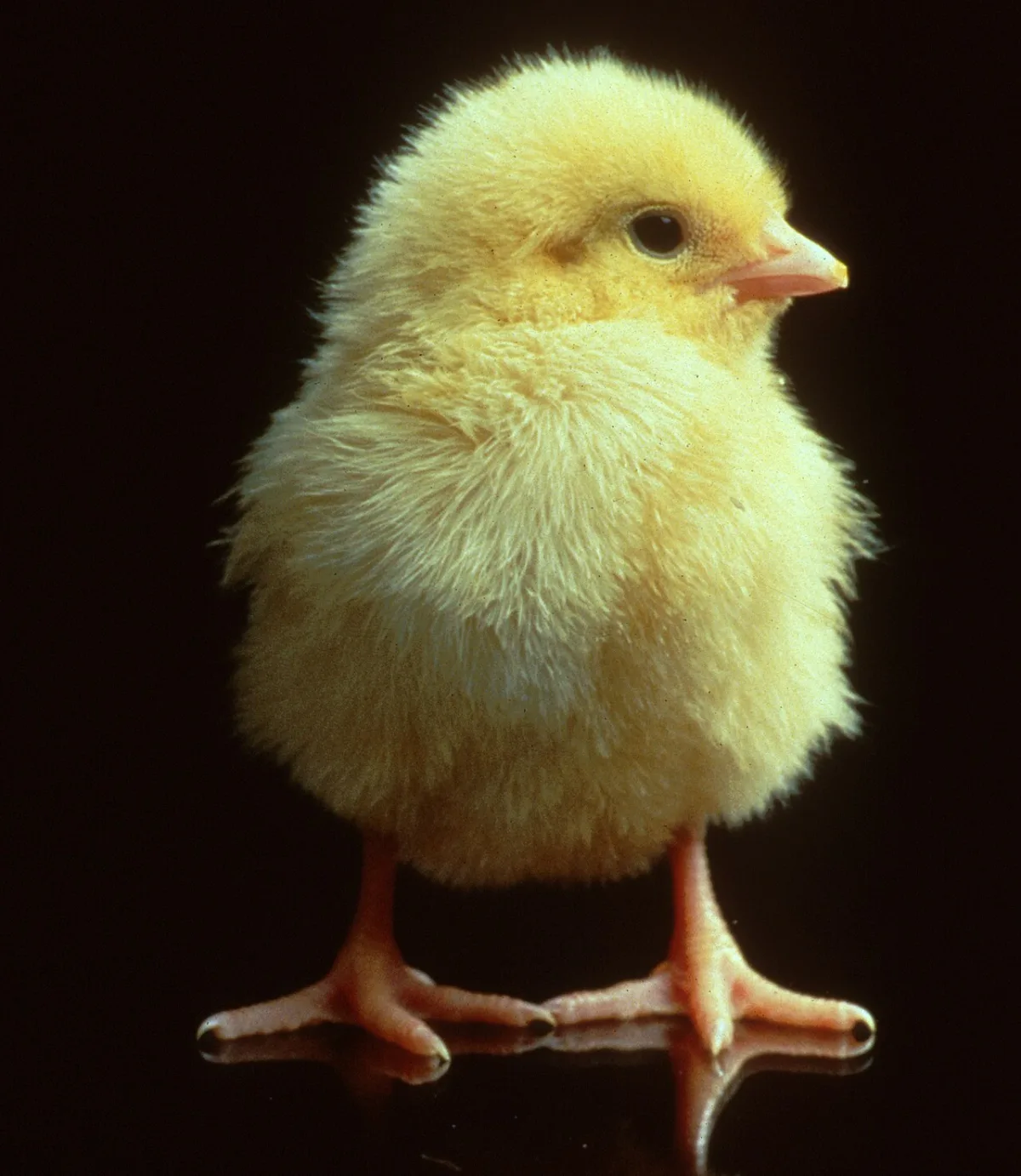
How technology is structured in poultry farming: from process to operation
Technology in industrial poultry farming is a precise system of methods and techniques that converts raw materials and feed into finished meat or table eggs. Unlike traditional industrial production, the main object of work here is living organisms: poultry and developing embryos. Therefore, any technological standard is calculated based on the biological needs of the flock to create optimal conditions for growth, development, and high productivity.
The specificity of poultry farming lies in working with living material. All technological parameters and equipment operation modes must strictly comply with the biological development standards of the poultry.
The entire production process is divided into separate sequential stages, and those into specific technological operations performed at work sites. Strict adherence to duties by operators ensures stability and rhythmicity of production:
- Broiler growing: the operator manages feed distribution mechanisms, ensures uninterrupted automatic watering, controls the operation of heating and ventilation equipment, monitors the condition of the chicks, and sorts them when necessary.
- Incubation: the operator prepares the equipment, sorts eggs by weight and quality, loads them into the incubator, performs scheduled candling, culls unsuitable eggs, monitors the mode, and receives the hatched young stock.
Flow production requires a high degree of technical equipment. In modern enterprises, main processes are electrified and automated. For example, incubation takes place under automatic control: the system regulates temperature, humidity, air exchange, and egg turning without human intervention. When keeping poultry, automation also maintains key microclimate parameters.
To ensure a continuous technological cycle, specialized technical complexes are used:
- air conditioning and microclimate systems;
- equipment for differentiated lighting;
- automatic feed and water distribution lines;
- systems for collection, egg sorting, and product transport;
- slaughterhouses and carcass primary processing facilities.
From a closed cycle to narrow specialization
In the early stages of industrial poultry farming development, enterprises operated under a closed cycle. The entire chain — from obtaining hatching eggs to broiler slaughter or the sale of table eggs — was concentrated within a single farm. Feed, with the help of machinery, was turned into finished products at one production site.
With the development of breeding, hybridization, standardized feeding, and automation tools, the need for narrow specialization arose. The separation of processes and concentration of production allowed for a sharp increase in output volumes and improved their quality at each stage.
Strict technological discipline and compliance with regulations are the main conditions for profitability. Any deviation from the established schedule or management mode reduces labor productivity and worsens capital productivity.
Today, the poultry industry is built on the work of specialized enterprises and divisions:
- Breeding farms and multipliers: farms producing tens of millions of hatching eggs per year using scientifically based technologies;
- Hatcheries: ensure scheduled hatching and production of day-old young stock;
- Commercial poultry farms: focused exclusively on raising broilers for meat or maintaining a commercial flock of laying hens.
Comprehensive mechanization and automation of all technological operations allow for increasing labor productivity, enhancing capital productivity, and consistently reducing the cost of the final product.
The high quality of hatching eggs largely determines the productivity of poultry, increasing egg and meat production in industrial poultry farming. Products obtained at breeding farms — hatching eggs — are used in specialized farms for hatching day-old young stock. The hatch and quality of day-old young stock are conditioned not only by precise adherence to the parameters of the technological process but also by the quality of the starting product — hatching eggs. In turn, the quality of day-old young stock has a significant impact on the results of raising them for meat or for the replacement of breeding and commercial poultry flocks.
In the technology of poultry meat and table egg production, feed materials are used as the primary raw material, and day-old young stock serves as the starting product. Poultry slaughter and carcass processing in meat production, egg sorting, and preparation of products for sale are the final technological processes.
Implementation of technology requires coordinated design and use of production and utility rooms, mech-
| 151 anized and automated equipment, water and energy supply, storage, intra-farm transport, etc. Proper staff selection, improving their qualifications, organizing socialist competition for exceeding plans, and broad implementation of rationalization proposals and inventions to improve technological processes and operations contribute to scientific and technological progress and increased production efficiency.
Each poultry farm, in the general technology and by the volume of egg or poultry meat production, is in a specific connection with other farms. This connection is established by planning organizations based on the state plan for the production and sale of poultry products. As a result of concentration and specialization in poultry farming, many poultry farms with a closed technological cycle have turned into large associations. Examples include the Bratsevskaya and Glebovskaya poultry farms, which have currently been transformed into the Bratsevskoye and Glebovskoye associations of the Moscow Region. In the Minsk production association, strict coordination of table egg production technologies with incubation and breeding operations ensures rhythmic production exceeding 220 million eggs per year.
In the first inter-farm Crimean broiler association, the breeding center of the Ukrainian Research Institute of Poultry Breeding is responsible for developing compatible meat chicken lines, while the pedigree plant maintains the qualities of the parental forms obtained from the breeding center. The multiplication of hybrid poultry forms and hybridization are carried out by reproductive farms, and egg incubation is performed by incubation-poultry stations. Broiler rearing technology is the foundation of meat production on specialized broiler farms.
Read next
Poultry For agronomists
Organization of breeding work and principles of selection in modern poultry farming
Poultry For agronomists
Technologies and selection methods in modern meat poultry farming
Poultry For agronomists