
Soil preparation and selection of substrates for greenhouses and hotbeds
4 min read
Ready-to-use soil mixes, perlite, and the rules of peat liming
For growing transplants and greenhouse crops, organic-based soils are used: sod, manure, leaf, compost, and mixed soils. They acquire optimal physical and water-retention properties during composting over 12–36 months. To obtain high-quality compost, maintain moderate humidity of the raw materials, ensure constant oxygen access, and add lime, ash, manure, or liquid manure to household waste mixtures.
Organic soils may contain pathogenic microorganisms and viable weed seeds. Before sowing seed or planting transplants, be sure to perform thermal or chemical disinfection of the mixture, and also carry out its chemical analysis.
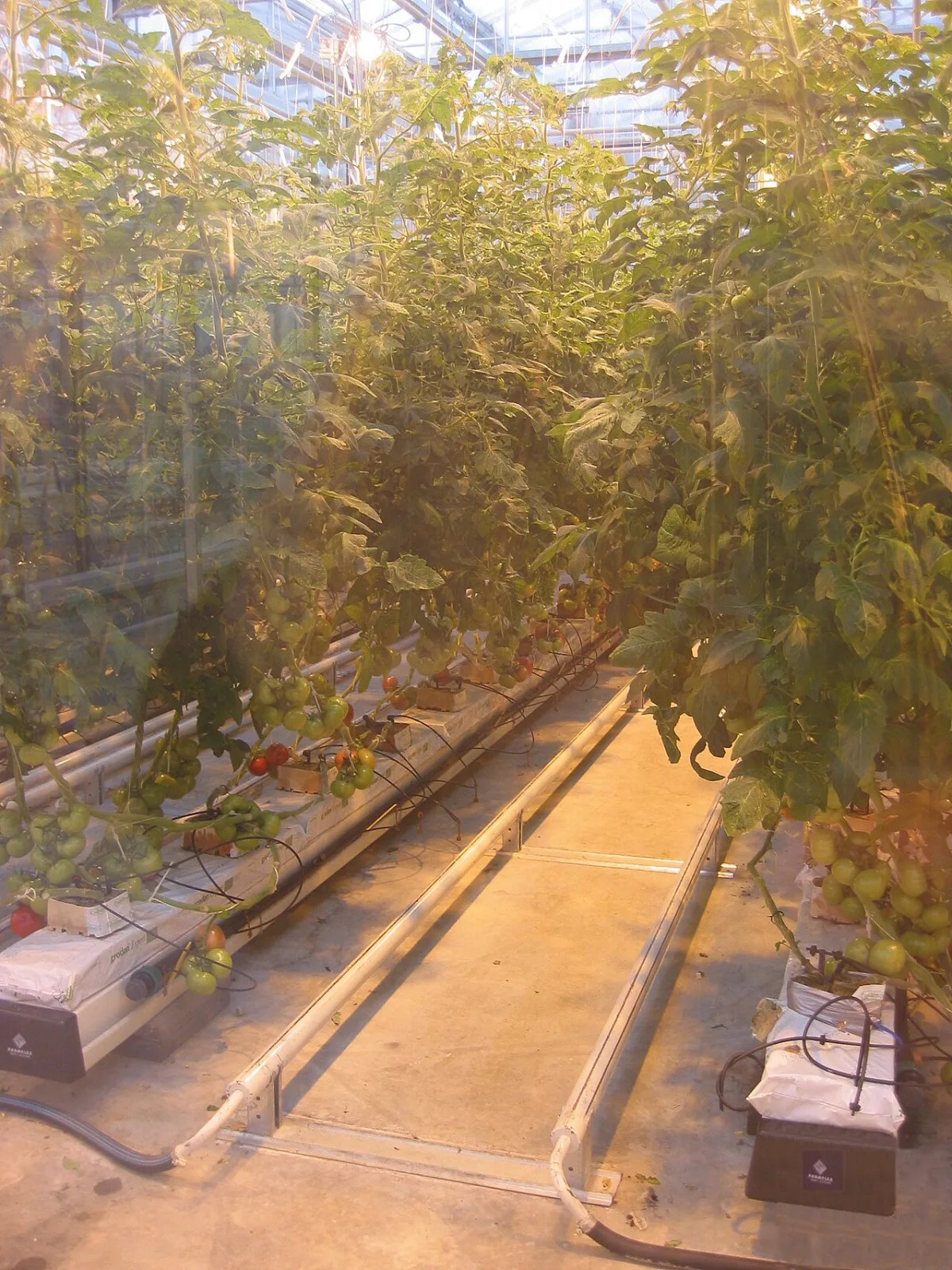
As an alternative to soil mixtures, a perlite substrate is used. Perlite is poured into polyethylene bags with a volume of up to 60 dm³ with 4–6 holes for plants, which are then placed in wooden containers. A nutrient solution is applied in excess: by saturating the top layer, it creates a moisture reserve in case of irrigation interruptions. Perlite bags can be used twice without intermediate disinfection.
When preparing a substrate from pure peat, it is necessary to neutralize its high acidity and replenish the deficit of nutrients. For this, liming materials or ash are used. Liming is carried out 5–7 days before planting; during this period, the peat is stored indoors.
- Dolomite flour application rate — 6–18 kg per 1 m³ of peat
- Ash application rate (for magnesium enrichment) — 8–20 kg per 1 m³ of peat
- Peat substrate humidity — 65–75 %
- Perlite granule diameter — 1–3 mm
- Perlite bag volume — up to 60 dm³
Complex substrates: bark mixtures and compressed straw
In protected ground, a substrate consisting of equal parts of medium-decomposed peat and shredded pine bark is popular. Since bark actively absorbs nitrogen, the dose of nitrogen fertilizer is increased when mixing the substrate, and the planted crops are given more intensive top dressing for the first 2–3 months. After 4–5 months, the nitrogen level in the mixture will naturally increase due to the decay and mineralization of microorganisms. Also, keep in mind that potassium is quickly leached in coarse-grained mixtures and requires regular replenishment.
| Mineral additive | Dosage per 1 m³ of peat and bark mixture |
|---|---|
| Potassium nitrate | 1.5 kg |
| Ammonium phosphate | 0.5 kg |
| Double superphosphate | 1.0 kg |
| Dolomite flour | 4 kg |
| MS micro-fertilizer (magnesium, iron, copper, manganese, zinc, molybdenum, boron, sulfur) | 135 g |
For subsequent regular top dressing on the peat-bark substrate, nitrogen and potassium fertilizers are used, and with the onset of crop fruiting, phosphorus fertilizers are introduced into the nutrition scheme.
Compressed straw is suitable for growing cucurbits and nightshade crops. Wheat or rye straw, harvested immediately after grain harvesting and stored in a dry condition, is used. Oat and barley straw are unsuitable: they decompose quickly and shrink significantly within the first weeks of work. Musty straw must not be used.
Straw may contain herbicide residues used on the grain field (especially if the weather was dry before harvesting). They are toxic to dicotyledonous vegetable crops.
Before using straw substrates, be sure to conduct a safety bio-test:
- Prepare an aqueous extract from a straw sample.
- Conduct a cucumber seed germination test in this extract.
- Evaluate germination: if seed emergence is low, this batch of straw must not be used.
Sometimes straw is affected by fungal diseases, so it is preventively treated with appropriate antifungal preparations before use. For early cultivation of cucumbers, watermelon, melons, tomatoes, eggplants, and peppers, there should be 3—10 kg of straw per plant.
Read next
Greenhouses and covers For gardeners
Organization of vegetable growing in protected soil and hotbeds
Agrochemistry For students
Characteristics and composition of Seliger Agro specialized soil.
Vegetable growing For students