Anthropogenic impact on the functioning mechanisms of natural ecosystems
5 min read
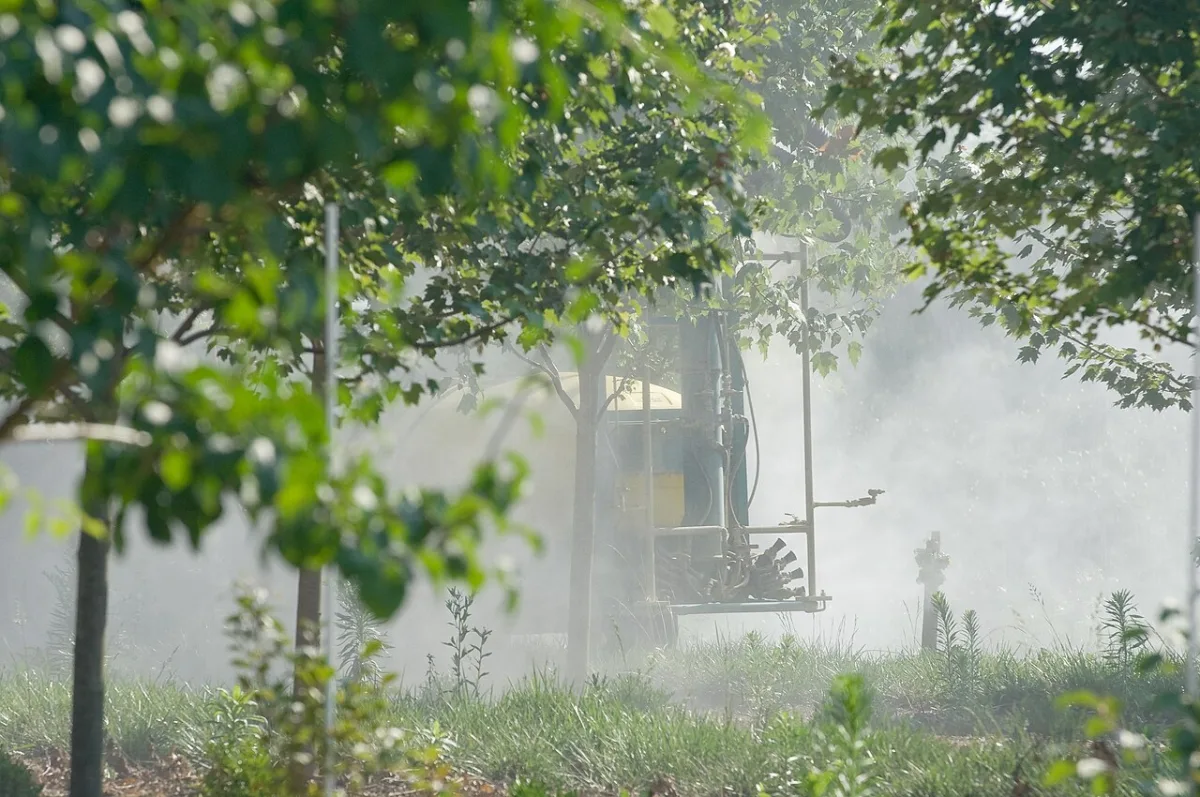
Due to necessity, humans constantly interfere with the processes occurring in an ecosystem, influencing it as a whole or its individual links. The human impact on ecosystems is quite intense, as through their activities, they create directed disturbances in the feedback mechanisms between components. These disturbances differ from natural ones. They are not a tool of selection, as organisms generally do not have enough time to adapt to them during the course of evolution. Deviations from the norm of certain environmental parameters in such cases exceed the limits corresponding to the organisms' reaction norms to these parameters.
Humanity has faced a number of environmental problems because it violates the fundamental principles of ecosystem functioning.
F i r s t p r i n c i p l e. Ecosystems exist due to non-polluting and practically eternal solar energy, the quantity of which is relatively constant and abundant.
Before the Industrial Revolution, people eased their labor by using the energy of livestock animals, wood, wind, and water. All of these are indirect sources of solar energy. Only in the last 250 years have we begun to use fossil fuels, but even after such a short period, we find ourselves on the verge of exhausting their resources. Moreover, burning them has generated numerous environmental pollution problems, including the potential for catastrophic climate change due to excessive input of carbon dioxide into the atmosphere. As will be shown in Chapter 5, all practical attempts to find an alternative to solar energy are fraught with the instability of the processes occurring in the biosphere.
S e c o n d p r i n c i p l e. There cannot be a large biomass at the end of long food chains.
Over the last 100 years, the human population has grown at a phenomenal rate and continues to increase by approximately 90 million people per year. Nevertheless, many people, especially in developed countries, belong primarily to the third trophic level in terms of their diet, i.e., they eat meat. Since it takes from 10 to 20 kilograms of grain to produce one kilogram of meat, this dietary habit places a heavy burden on agriculture. For everyone to be able to afford a meat-based diet, it would be necessary to expand sowing areas by approximately 10 times. The drive to increase agricultural yield results in soil destruction due to erosion and overgrazing, which leads to a decline in soil fertility and the emergence of a food crisis. The next chapter is devoted to these issues.
T h i r d p r i n c i p l e. In natural ecosystems, resource use and waste disposal are carried out within the cycle of all elements.
Human interference in the natural cycles of essential substances in the biosphere is increasing sharply, especially since the 1950s, due to rapid population growth and the intensive use of natural resources.
The increase in carbon content in the biosphere as a result of anthropogenic activity occurs primarily due to two processes: • deforestation and clearing of other vegetation without sufficient reforestation efforts, which reduces the total amount of vegetation capable of absorbing carbon dioxide; • burning of carbon-containing fossil fuels and wood.
The resulting carbon dioxide enters the atmosphere. Scientists predict that this carbon dioxide, together with other volatile industrial emissions, could cause a warming of the Earth's atmosphere in the coming decades, thereby introducing additional changes to the course of natural processes in the biosphere.
Human interference in the nitrogen cycle consists of the following:
- burning of wood or fossil fuels, which releases large quantities of nitrogen oxide (NO) into the atmosphere. Nitrogen oxide then combines with oxygen in the atmosphere to form nitrogen dioxide (NO2), which, upon interacting with water vapor, can form nitric acid (HNO3), a component of acid rain that harms all living things;
- mining of minerals containing nitrate and ammonium ions for the production of mineral fertilizer;
- removal of nitrate and ammonium ions from the soil during the harvesting of crops with high nitrogen content;
- an increase in the quantity of nitrate and ammonium ions in aquatic ecosystems due to the entry of contaminated runoff from farms and fields.
The increase in the content of phosphorus in the biosphere occurs as a result of:
- mining of phosphate ores for the production of mineral fertilizers and detergents;
- increasing the excess of phosphate ions in aquatic ecosystems when they are exposed to contaminated runoff from livestock farms, phosphate fertilizers washed off from fields, as well as treated and
Humanity interferes with the water cycle in two ways:
- by extracting large quantities of fresh water from rivers, lakes, and aquifers;
- by destroying the land's vegetative cover. This leads to a decrease in the infiltration of surface water underground, which
Pollution of the biosphere associated with human violation of the aforementioned principles of ecosystem functioning includes: physical (thermal, noise, vibrational, electromagnetic, light, radioactive); chemical (aerosols, chemical substances, heavy metals, pesticides, plastics, synthetic surfactants); and biological (biotic, microbiological, genetic engineering) — every second, every instant, attacking the ecological niches of populations, which are components of ecosystems, and at the same time, the limits of ecosystem homeostasis stability.
Limits of stability: from soil homeostasis to a global choice
The constantly increasing intensity of pollution acts on the biota not in isolation, but synergistically. The complex impact pushes populations of organisms beyond the limits of their biological tolerance. As a result, ecosystems everywhere are losing their capacity for homeostasis, which inevitably leads to their degradation and death.
- Periodicity of evolutionary shifts — 100 million years
- Timeframe to create a sustainable anthropoecosystem — 50 years
A sharp change in the environment reduces the overall stability of the biosphere, directly affecting agroecosystems as well. Such large-scale events that change the course of evolution occur on Earth extremely rarely. Today, society and the agricultural sector are faced with a choice: allow the destruction of the biosphere and the extinction of most species, or learn to control technogenic impact.
The exceeding of homeostasis stability limits by pollution triggers irreversible processes of natural environment degradation. The preservation of civilization and agriculture is possible only by maintaining a strict balance between all species living on Earth.
There is no alternative scenario for preventing an ecological catastrophe. Practitioners must take as a basis the fundamental principles of sustainability and balance of natural ecosystems and implement them into economic activity. The foundation for building a balanced anthropogenic ecosystem has already been laid, and this approach must be realized in the next 50 years.
Read next
Ecology For students
Sulfur and water cycle in the planet's global ecosystem
Ecology For students