
The role of organic fertilizers in increasing soil fertility and crop yield.
4 min read
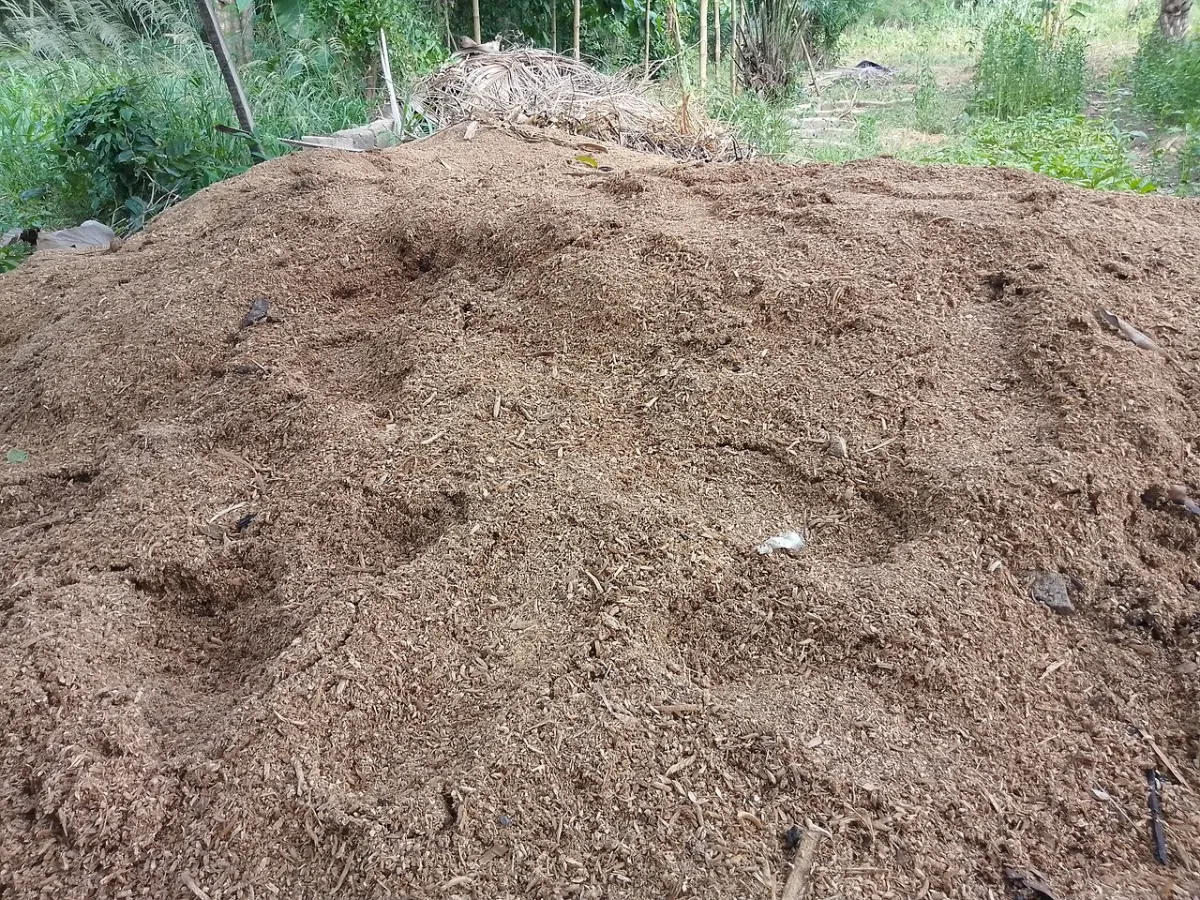
How organic matter affects soil properties and yield
Intensive mineral fertilizer">application of mineral fertilizers does not diminish the value of manure. On the contrary, with active chemicalization, the role of organic matter only increases, as it has a complex effect on the "soil — microorganisms — crop" system. Organic fertilizers not only provide the crop with nutrition but also serve as the main source for replenishing humus.
Two parallel processes occur in the soil. About 75% of the dry matter of applied organic matter is fully mineralized, providing plants with readily available nutrients, while the remaining 25% goes directly to humification. Thus, when applying 20 t/ha of manure, about 1.0–1.2 t/ha of pure humus is formed through humification processes.
- Nitrogen (N) from 20 t/ha of manure — 100 kg
- Phosphorus (P2O5) from 20 t/ha of manure — 50 kg
- Potassium (K2O) from 20 t/ha of manure — 120 kg
- Calcium from 20 t/ha of manure — 80 kg
- Humus accumulation from 1 t of manure — 35–50 kg/ha
- Rate for increasing humus by 1% over 5 years — at least 100 t/ha annually
The application of manure significantly improves the physical and physico-chemical properties of arable land. Light sandy and sandy loam soils become more cohesive, retaining soil moisture and nutrients better due to increased absorption capacity and buffering. Heavy clay areas are loosened by organic matter and become easier to till. With the systematic application of manure, soil acidity decreases and the degree of base saturation increases.
In addition, the decomposition of organic matter saturates soil air with carbon dioxide. This improves aerial plant nutrition, and the released carbonic acid converts difficult-to-access mineral soil compounds into a form assimilable by roots. Also, organic fertilizers introduce natural growth stimulants into the soil — auxins, heteroauxins, and gibberellins.
Keep in mind that the availability of nutrients from manure is not uniform. The rate of their release depends on the quality of the fertilizer itself, as well as on the specific soil and climatic conditions of the field.
Integration of organic matter into the nutrition system and environmental role
Organic fertilizers help reduce environmental risks in intensive farming. They convert residual amounts of pesticides, heavy metals, and radioactive substances into compounds unavailable to plants. This enhances the sanitary role of the soil, mitigates the consequences of adverse weather conditions, and improves the quality of the harvested crop.
However, the low concentration of active ingredients limits the logistics of organic matter. It is unprofitable to transport it over long distances, so manure and other types of organic raw materials are usually used locally — within the farm or near the sources of production. Complete field nutrition is built on the combination of local organic fertilizers with mineral fertilizers, which are easy to transport and dose.
This combined approach provides the maximum agronomic result. Joint application allows for the recycling of nutrients removed with the harvest and significantly increases the return on chemical fertilizers.
| Efficiency indicator | Value |
|---|---|
| Increase in mineral fertilizer efficiency | 20–30 % |
Key organic fertilizers that can be used on a farm include:
- manure;
- liquid manure;
- peat;
- poultry manure;
- feces;
- straw;
- lake (pond) silt;
- agricultural, industrial, and urban waste.
Read next
Agrochemistry For students
Classification and properties of mineral and organic fertilizers in agrochemistry
Nutrition and fertilizers For gardeners
Characteristics and chemical composition of organic fertilizers in agronomy
Agrochemistry For students