
The influence of trace elements on soil fertility and the ecological safety of agrocenoses
5 min read
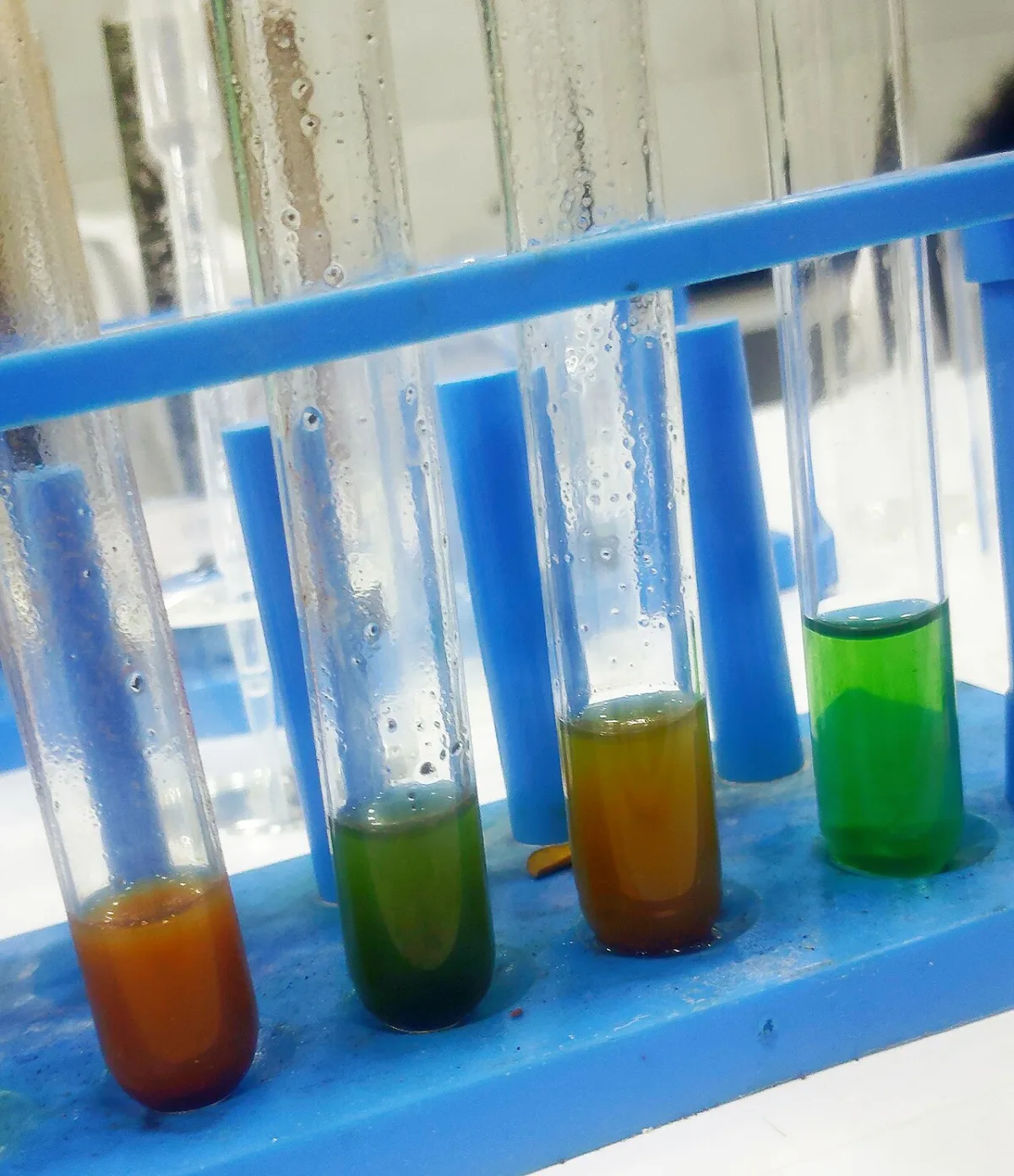
Microelements are essential for plants; however, the line between benefit and harm is very thin. Accumulating in the plough layer, they bind strongly to soil colloids. This process occurs most actively in heavy clay soils and areas with high humus content. Most microelements are classified as heavy metals; their compounds are stable and retain their toxicity in the soil for years.
Microelements have an extremely narrow range of safe concentrations. Errors in application rates quickly turn a valuable fertilizer into a persistent soil toxin, which moves through the food chain into the harvest, and subsequently into the bodies of humans and livestock animals.
Excess risks: how microelements turn into toxins
To prevent hidden soil poisoning, it is necessary to monitor the content of microelements and know their maximum permissible concentrations. The accumulation of metals occurs gradually, but once threshold values are exceeded, they begin to block the vital processes of plants. This leads to a deterioration in the phytosanitary condition of the field and a reduction in yield.
| Microelement | Concentration range in soils, mg/kg | Most frequent concentrations, mg/kg | Maximum Permissible Concentration (MPC), mg/kg |
|---|---|---|---|
| Boron | 2–100 | 5–30 | 100 |
| Cobalt | 1–50 | 1–10 | 50 |
| Molybdenum | 0,2–10,0 | 1–5 | 10 |
| Zinc | 10–300 | 10–50 | 300 |
| Manganese | 30–3000 | 400–2000 | 3000 |
| Copper | 2–100 | 5–20 | 100 |
The excessive accumulation of heavy metals in the soil is usually caused by systemic errors in technology and the uncontrolled application of waste:
- application of organic fertilizer from livestock farms where feed additives containing microelements are used;
- use of uncertified industrial, municipal, and domestic waste;
- violation of technology and regulations for the application of micro-fertilizers;
- use of low-quality products with unstable chemical composition.
Toxic excess of metals denatures plant proteins, disrupting metabolism at the cellular level. Heavy metals bind phosphorus into poorly soluble phosphates, making it unavailable for nutrition. Furthermore, they compete with other elements for carriers in the metabolic chain, causing an artificial deficiency of necessary substances. Enzymatic activity in the soil drops, and natural nitrogen fixation is suppressed — both symbiotic in nodule bacteria and free-living.
- Suppression of nitrogen fixation — at 10 times the background level
- MPC of manganese in soil — 3000 mg/kg
- MPC of zinc in soil — 300 mg/kg
- MPC of copper and boron — 100 mg/kg
How to manage the balance: from control to toxicity reduction
Despite the risks of contamination, it is impossible to completely abandon micro-fertilizers. Without them, the efficiency of nitrogen, phosphorus, and potash fertilizers drops sharply, as most soils are initially poor in microelements. Reasonable application of micro-fertilizers in optimal doses serves as an important element in the greening of agricultural technologies.
Optimal application rates of microelements act as nitrification inhibitors and urease inhibitors. They curb the conversion of nitrogen into nitrate form, preventing groundwater pollution, and simultaneously help plants better absorb extra-nitrogen from the soil.
When planning a nutrition system, it is important to consider the particle-size distribution of the soil in a specific field. Mobile metal compounds behave differently depending on the soil structure. Heavy metals are fixed most actively in silt, significantly worse in dust, and hardly retained in sand. Any changes in the particle-size distribution of the soil drastically change the availability of metals for plants.
If soil analysis reveals a dangerous excess of heavy metals, their uptake by plants can be blocked using the following methods:
- carrying out liming of soils to convert metals into less mobile forms;
- applying phosphorus fertilizers that bind free metal ions into poorly soluble compounds;
- maintaining a positive humus balance through regular application of manure and ploughing in green manure crops;
- using activated carbon as sorption filters to prevent the accumulation of heavy metals in the harvest.
Heavy metals are distributed unevenly across plant organs:
- usually, the most accumulation occurs in root hairs;
- less in roots;
- even less in stems;
- and particularly little in fruits.
The biological characteristics of the crop have a significant influence on the distribution of heavy metals throughout plant organs. They also affect the overall accumulation. Among common agricultural crops, vegetables, in particular, are distinguished by an excessive accumulation of heavy metals. Accumulation of heavy metals also largely depends on the genotype of the cultivar. Selecting it in accordance with the crop requirements, the possibilities of soil fertility, and agricultural practices allows for a significant reduction in the accumulation of heavy metals in plants to an environmentally safe level.
The most significant factors causing environmental pollution are anthropogenic factors. Fundamentally improving the environmental situation in the face of anthropogenic pollution is only possible by reducing industrial emissions or transitioning industrial production to waste-free technologies.
Extra nitrogen – mineralized (mobilized) nitrogen or nitrogen additionally absorbed by plants from the soil under the influence of nitrogen fertilizer. 1046
Fig. 118. Main flows of soil and plant contamination by heavy metals and ways of their detoxification
Read next

Agrochemistry For students
The use of micro-fertilizers to increase the productivity of crops in intensive farming
Agrochemistry For students
Optimization of fertilizer application to increase agricultural production efficiency
Nutrition and fertilizers For gardeners