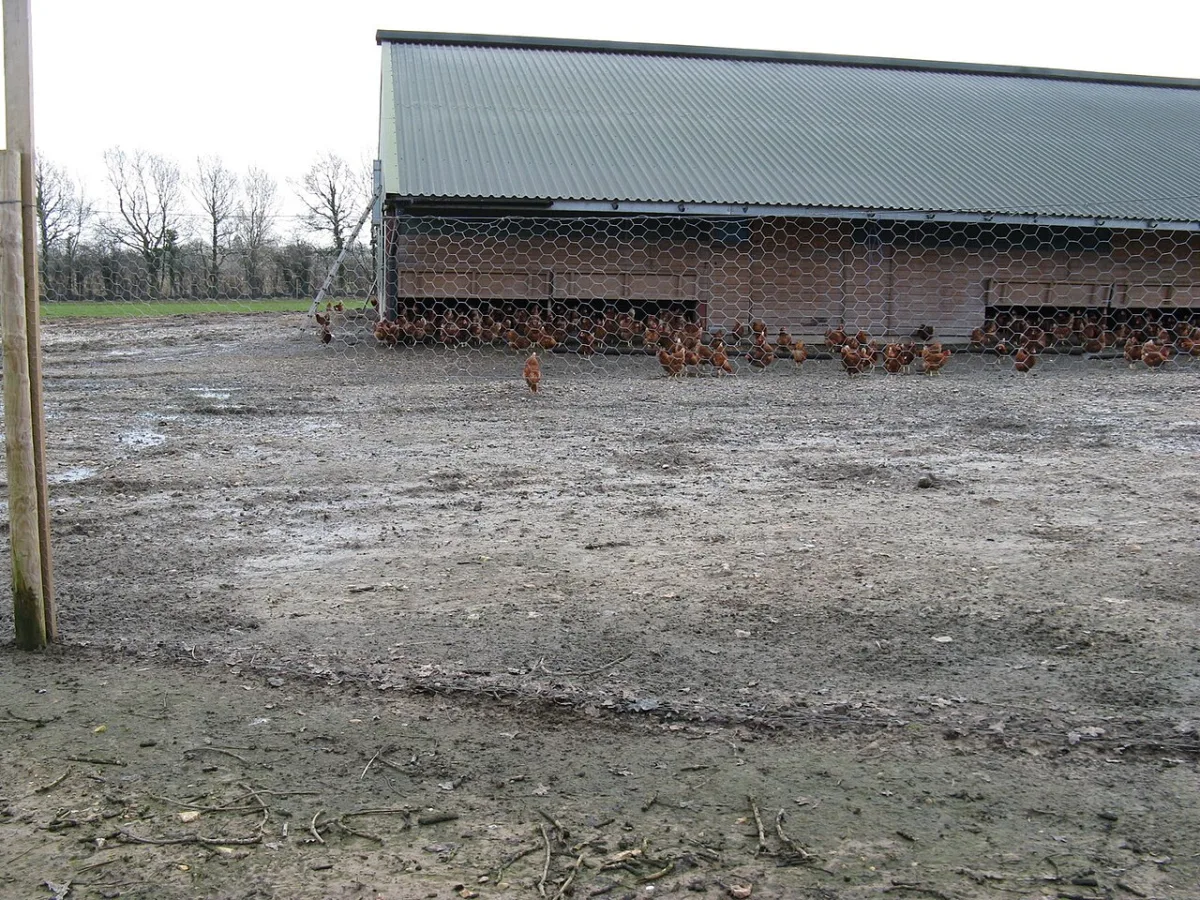
A poultry house is a technologically complex facility, the operational efficiency of which directly depends on adherence to microclimate parameters, stocking density, and the organization of housing systems. For an agronomist or a farm owner, the proper design and operation of poultry housing are fundamental factors determining the productivity of the flock, feed conversion, and the quality of the resulting products: from table eggs to hatching material. Understanding the biological needs of the poultry and making an informed choice between battery cage and floor housing systems allows for minimizing costs and ensuring a stable output of meat or eggs on an industrial scale.
This collection gathers materials covering all stages of working with poultry: from the specifics of keeping laying hens, broilers, and parent flocks of waterfowl species to the particulars of separate rearing of poults. The articles examine in detail the technologies of flock formation, selection methods, microclimate control systems, principles of organizing balanced feeding, and approaches to the deep processing of raw materials. The information in these materials is oriented toward optimizing production processes and helps to build an efficient management system for a poultry house, both at large poultry farms and in smaller farming operations.