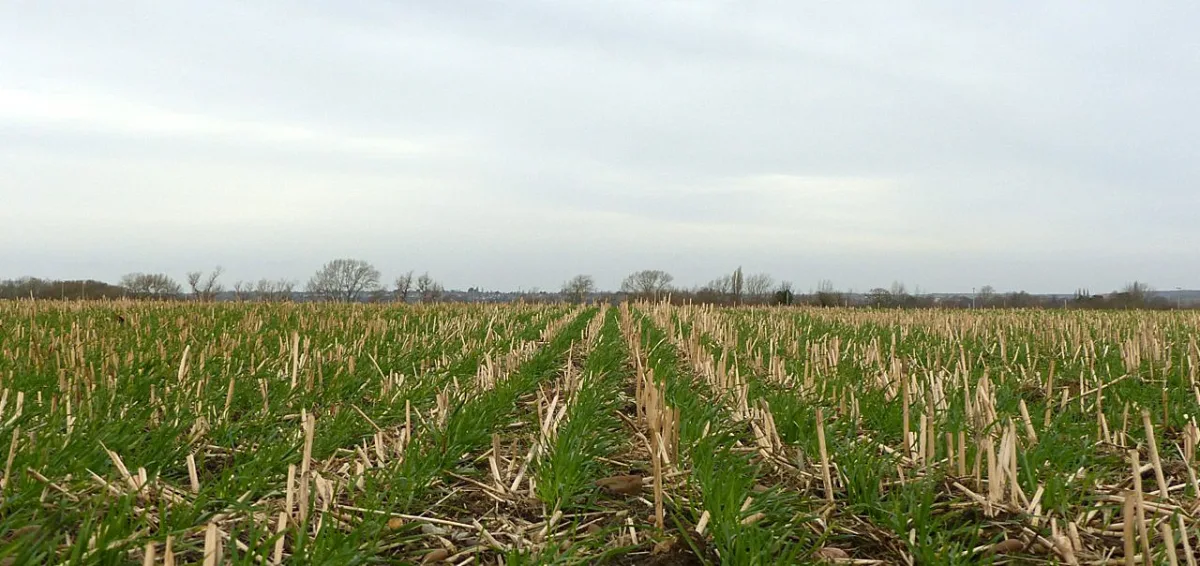
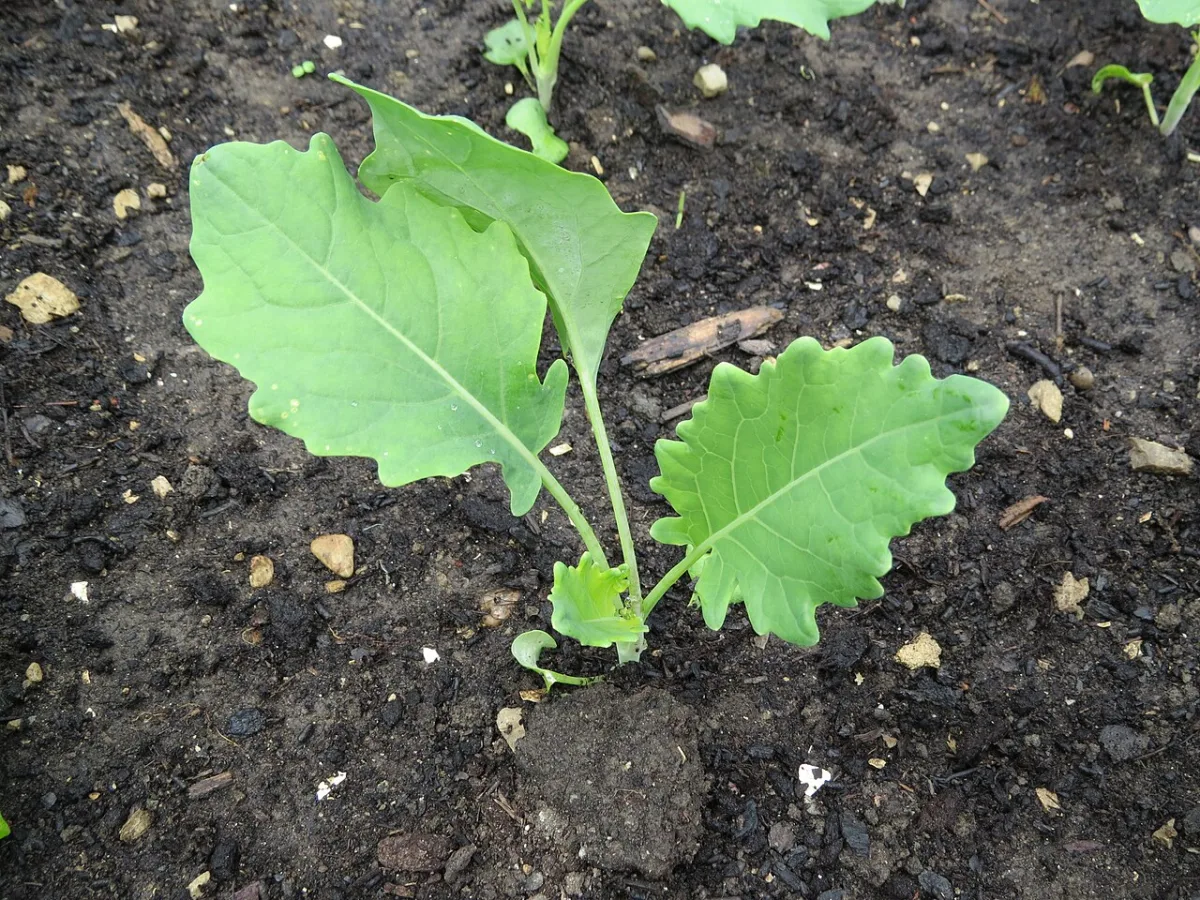
Mineral fertilizers are products of industrial or fossil origin that provide crops with essential nutrients in an available mineral form. Sound plant nutrition management is the foundation of modern agriculture, directly influencing yield, product quality characteristics such as potato starch content or the biochemical composition of vegetables, and the overall economic efficiency of the farm. A systematic approach to the selection and application of fertilizers allows not only for increasing crop productivity but also for reducing the risks of negative environmental impact.
This selection contains a practical guide to working with mineral fertilizers at all stages: from choosing specific types — nitrogen, phosphorus, potassium, or complex magnesium compounds — to their storage and application in field and greenhouse conditions. Readers will find methodologies for calculating application rates, rules for mixing components, recommendations for assessing cultivar responsiveness to top dressing, and safety requirements. The materials will help optimize technological processes, organize logistics, and master modern methods of plant nutrition that ensure a stable and high-quality harvest.