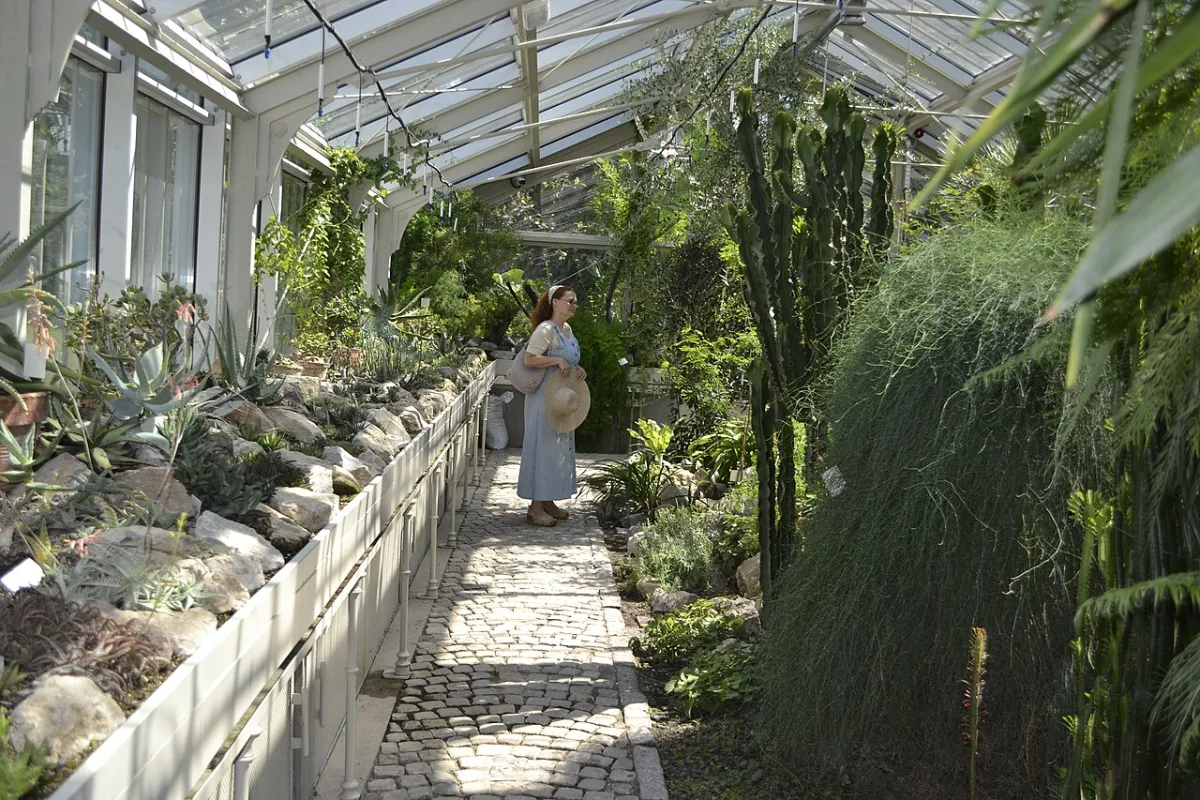
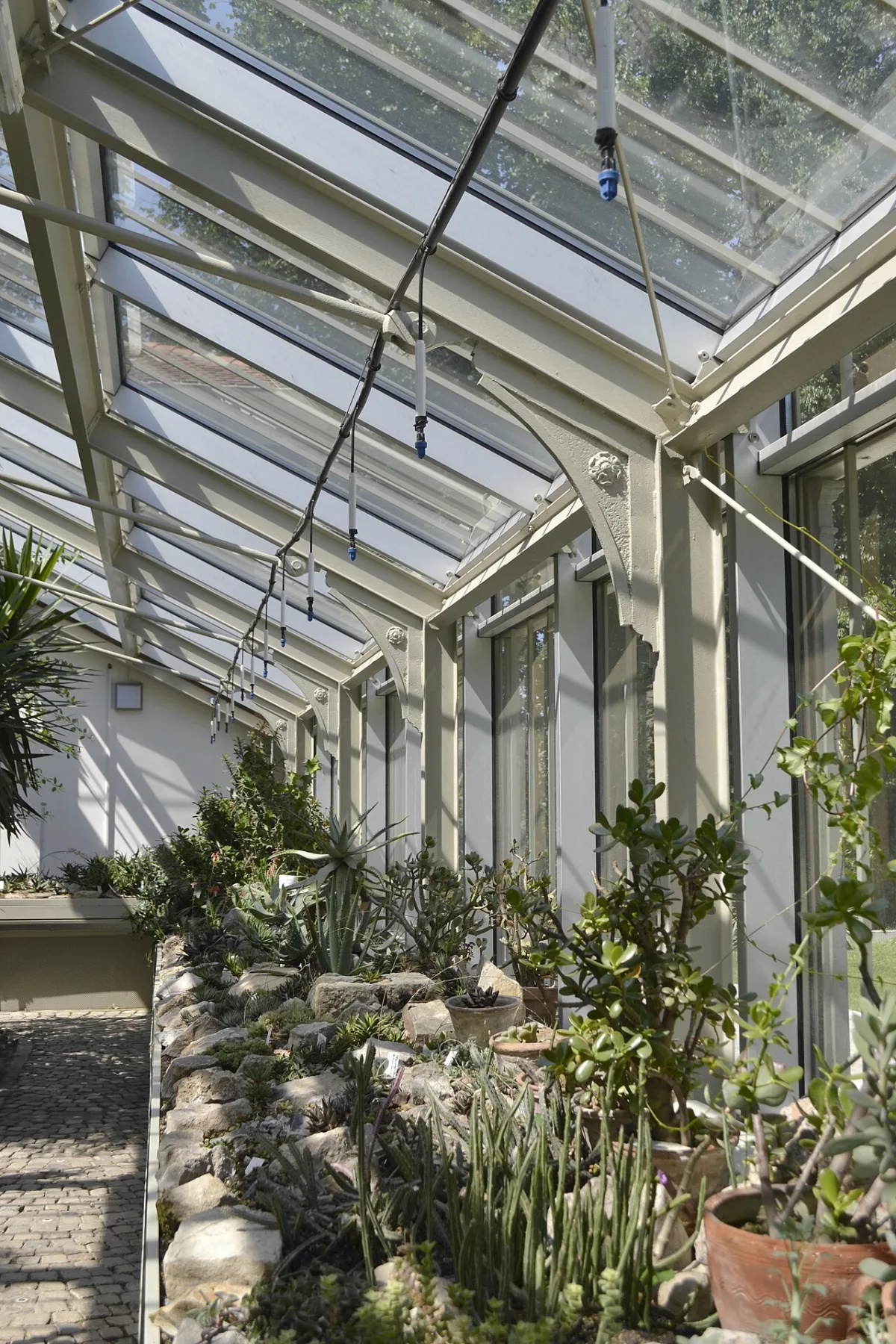
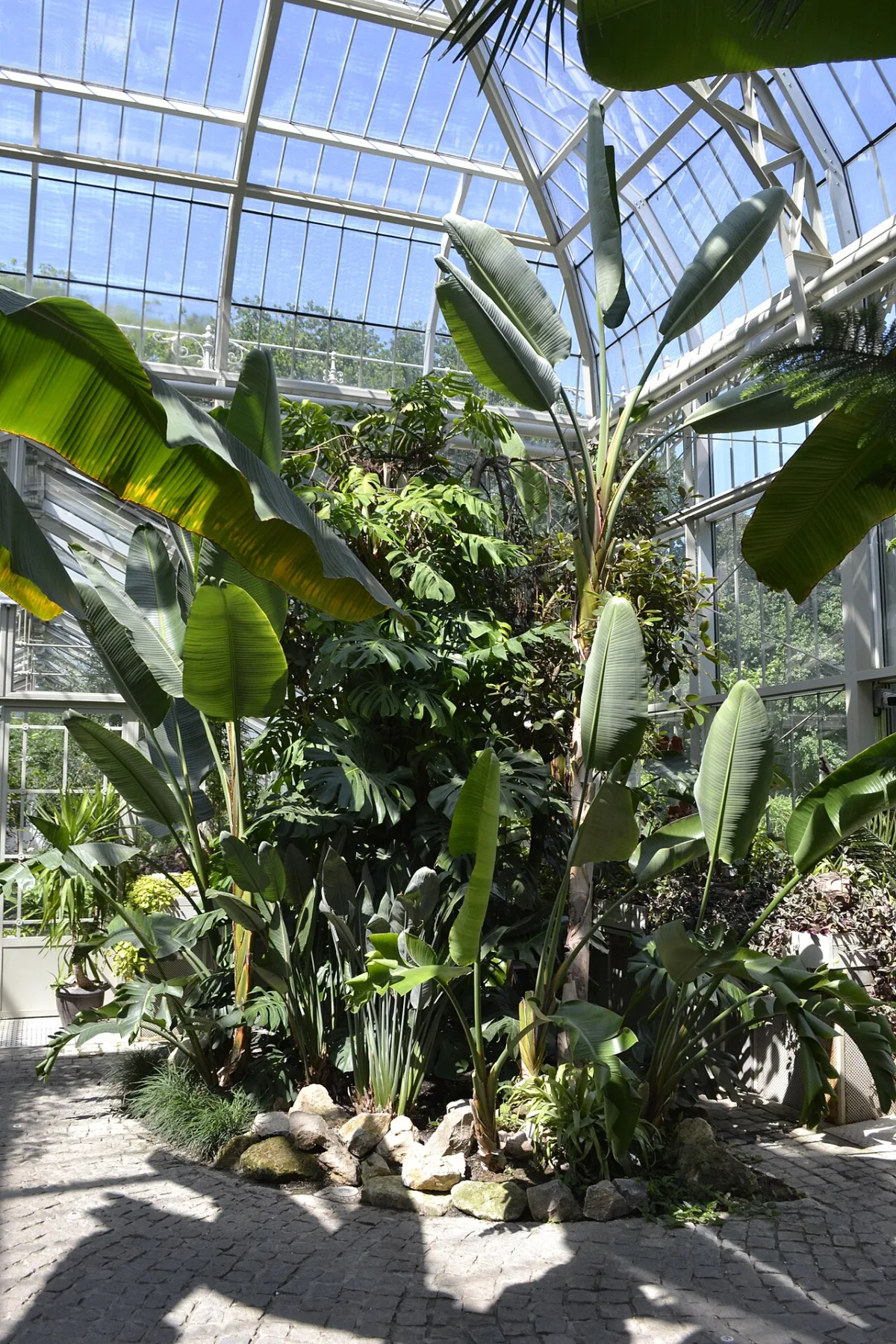
Proper design and equipment of a greenhouse facility is the foundation of productive plant cultivation. Understanding the physical processes occurring within protected soil allows an agronomist not only to protect crops from external factors but also to purposefully manage yield. The success of cultivation depends on how effectively the structure utilizes available natural resources, ensuring a balance between lighting, thermal regime, and a high-quality internal environment.
In this selection, we examine key aspects of greenhouse construction: from the theoretical foundations of energy exchange and solar ray geometry to practical solutions for erecting attached structures. You will learn how the choice of construction materials and structural airtightness affect energy accumulation and microclimate maintenance. The materials will help optimize the interior space not only to achieve high yield indicators but also to create comfortable conditions, which is especially relevant for greenhouses combined with recreational areas.