The fruiting period is the culmination of the plant life cycle, requiring the agronomist and gardener to apply maximum expertise and precision in managing agrotechnical processes. During this time, not only the volume of the future harvest is determined, but also its quality indicators. Proper microclimate control in greenhouses, an intelligent nutrition system, timely diagnosis of diseases, and canopy formation of fruit trees become the determining factors affecting crop productivity. Understanding the biological characteristics of plants, their requirements for heat, and the specifics of their development allows for effective adjustment of the care strategy and minimizes the risks of harvest losses.
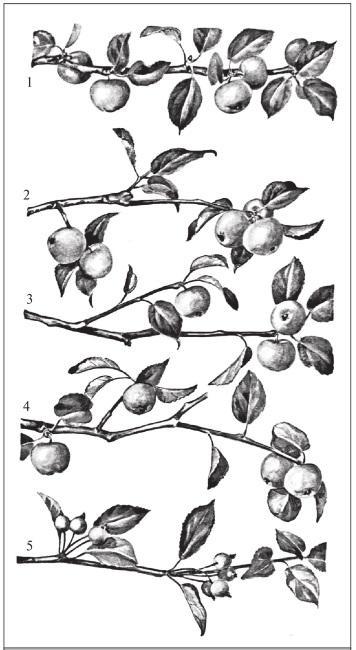
This collection gathers materials covering key aspects of working with vegetable and fruit-and-berry crops in both protected and open soil. Readers will find professional recommendations for growing tomatoes, cucumbers, peppers, and various types of cabbage, as well as tips on preparing nutrient-rich soil mixtures for transplants. We have examined in detail the issues of creating optimal conditions in greenhouses: from heating and ventilation systems to methods of controlling root rot. The collection also includes articles on the classification of apple cultivars by fruiting type and the principles of canopy formation, which will help to build a systematic approach to the agrotechnics of your garden plot or farm.