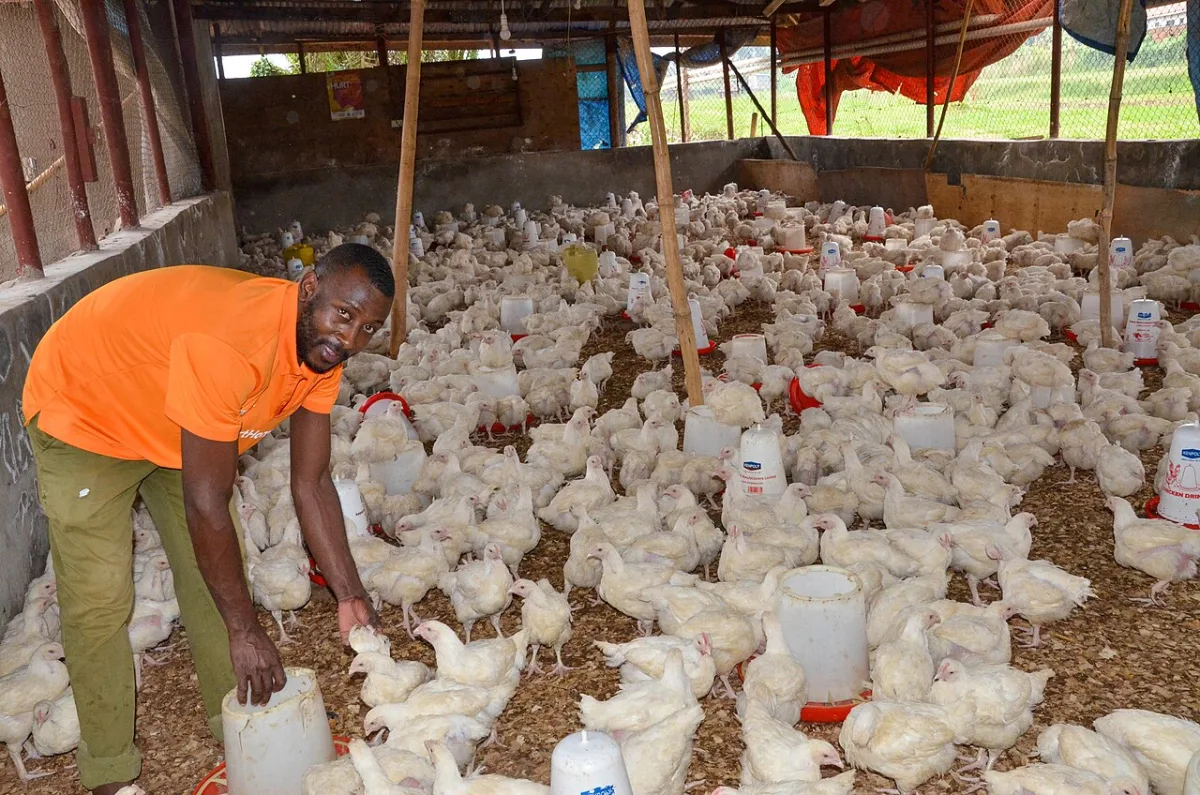
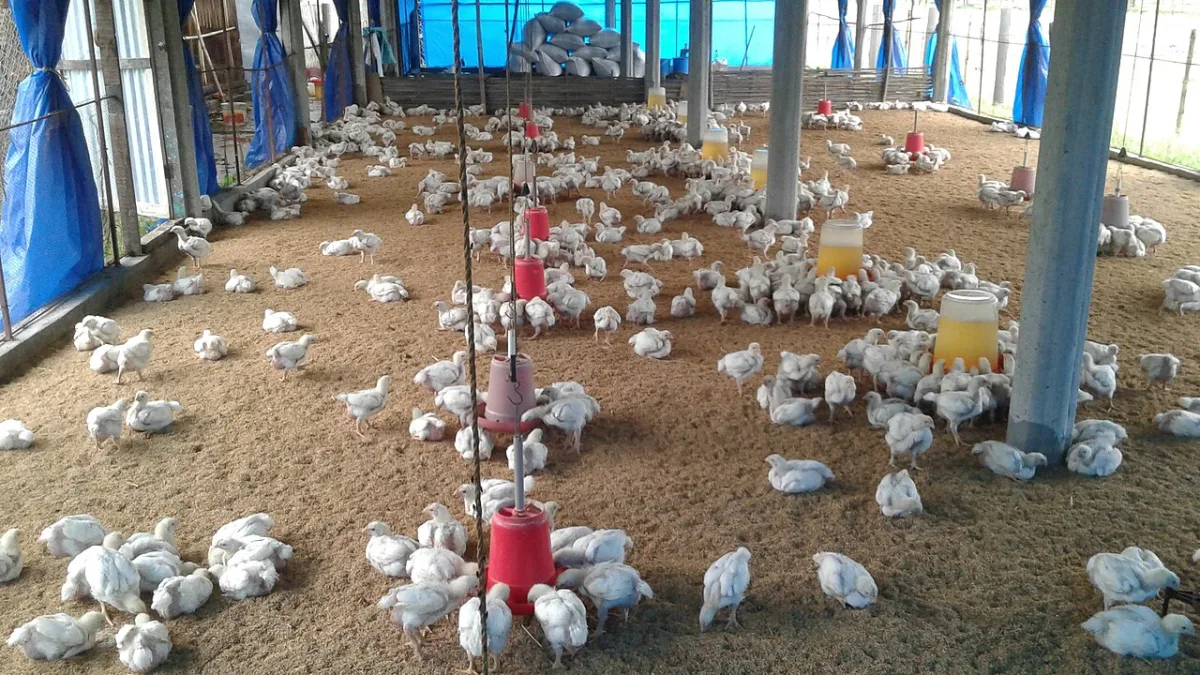
A day-old chick is the starting point in the poultry production cycle, determining the future productivity of the flock and the economic efficiency of the farm. For an agronomist and a poultry specialist, understanding the biological potential of an individual, established by genetics, is the foundation for competent subsequent rearing and breeding. Proper management at this stage allows for monitoring the development of poultry from the very first days, which is critically important both in the conditions of large poultry farms and in the framework of private backyard poultry farming.
This selection of materials covers key aspects of working with poultry: from the scientific justification of genetic breeding methods to the practical nuances of industrial husbandry. Readers will find information on methods for evaluating conformation as an indicator of health and future productivity, the technological features of housing livestock in cage systems, as well as the principles of organizing food egg production based on a closed-cycle system. These articles will help to systematize knowledge about modern technological processes and selection criteria that ensure consistently high performance in poultry farming.