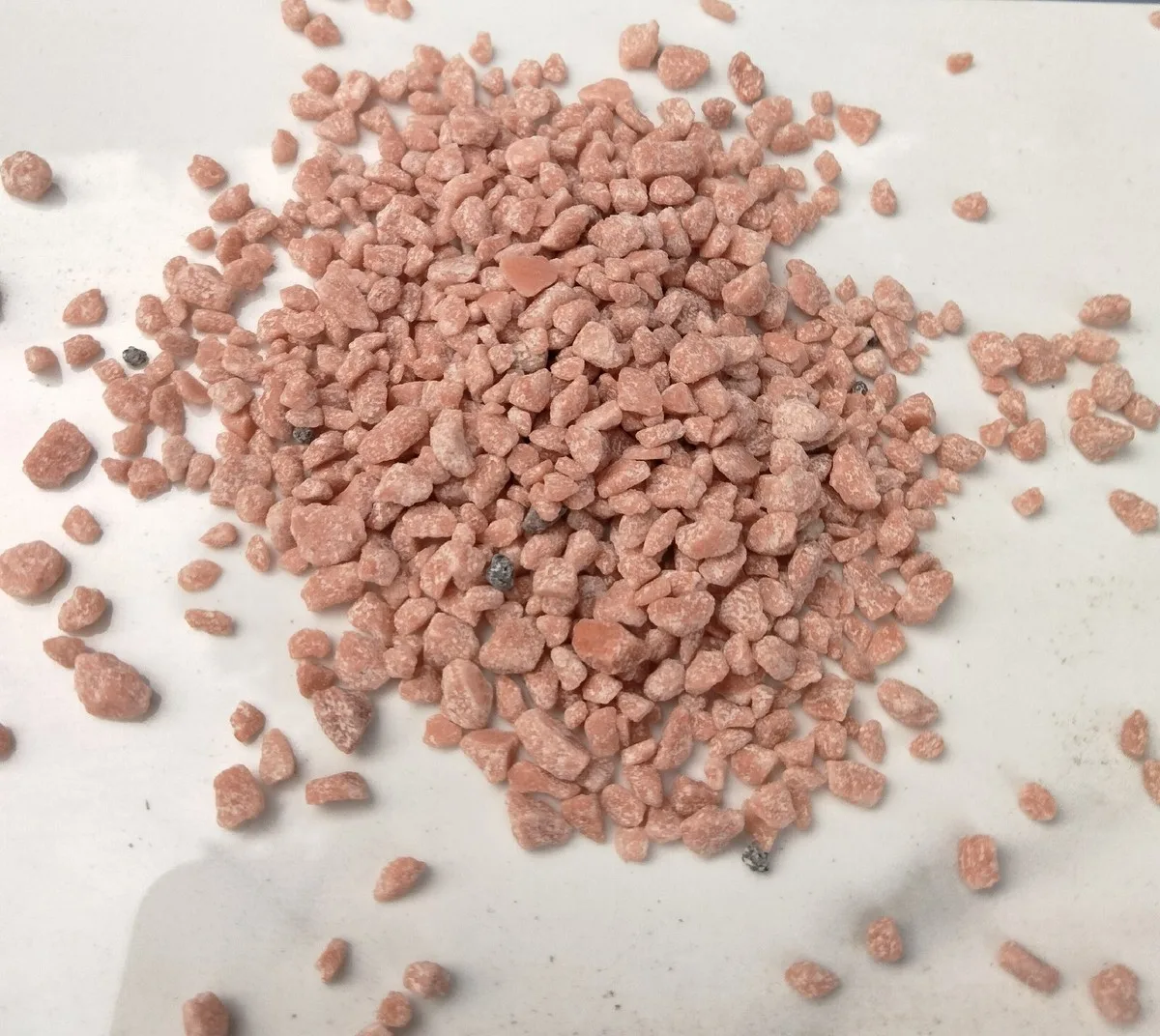
Calcium cyanamide occupies a special place in the history of agrochemistry as the first artificial nitrogen fertilizer that combines the functions of plant nutrition and soil amelioration. Its uniqueness lies in the ability to not only enrich the crop with nitrogen but also to effectively correct the level of soil acidity. For specialists and private farmers, understanding the chemical processes that occur during the application of this substance is an important tool for maintaining soil fertility in acidic soils where calcium deficiency is observed.
The presented selection of materials examines key aspects of working with calcium cyanamide: from safe storage rules and specific application features to its impact on the physical and chemical properties of the soil cover. Furthermore, the reader will find information on the use of chemical methods in the pre-harvest period, including defoliation, desiccation, and senication. These articles will help agronomists understand the mechanisms of accelerating crop ripening and optimizing mechanized harvesting processes, ensuring a comprehensive approach to managing crop development throughout the entire growing season.